Public health environmental investigations identify and mitigate hazards like contaminated water, foodborne outbreaks, or air pollutants through systematic site assessments, sampling, and multi-agency collaboration. Triggered by illness clusters or complaints, these probes—often within 24 hours—pinpoint sources via on-site inspections, preventing further harm and informing policy. Teams blend epidemiologists, lab experts, and inspectors for comprehensive responses.
Preparation and Team Formation
Investigators review prior reports, complaints, and facility data to define objectives, scope, and team roles—epidemiologist for cases, environmental health pros for sites. Background compilation includes processes, regulations, and risks; plans outline schedules, safety, and logistics like sampling kits. Partners notify stakeholders pre-visit for coordinated action.
On-Site Inspection and Data Collection
Entry conferences brief operators; walkthroughs evaluate food handling, personnel hygiene, equipment, and toxic storage per codes like FDA Food Code. HACCP assessments trace suspect processes—cooking temps, cross-contamination—while interviewing Person In Charge (PIC) and staff confidentially uncovers deviations, illnesses, or complaints. Visuals note conditions; measurements log temperatures, sanitation.
Sampling and Hypothesis Testing
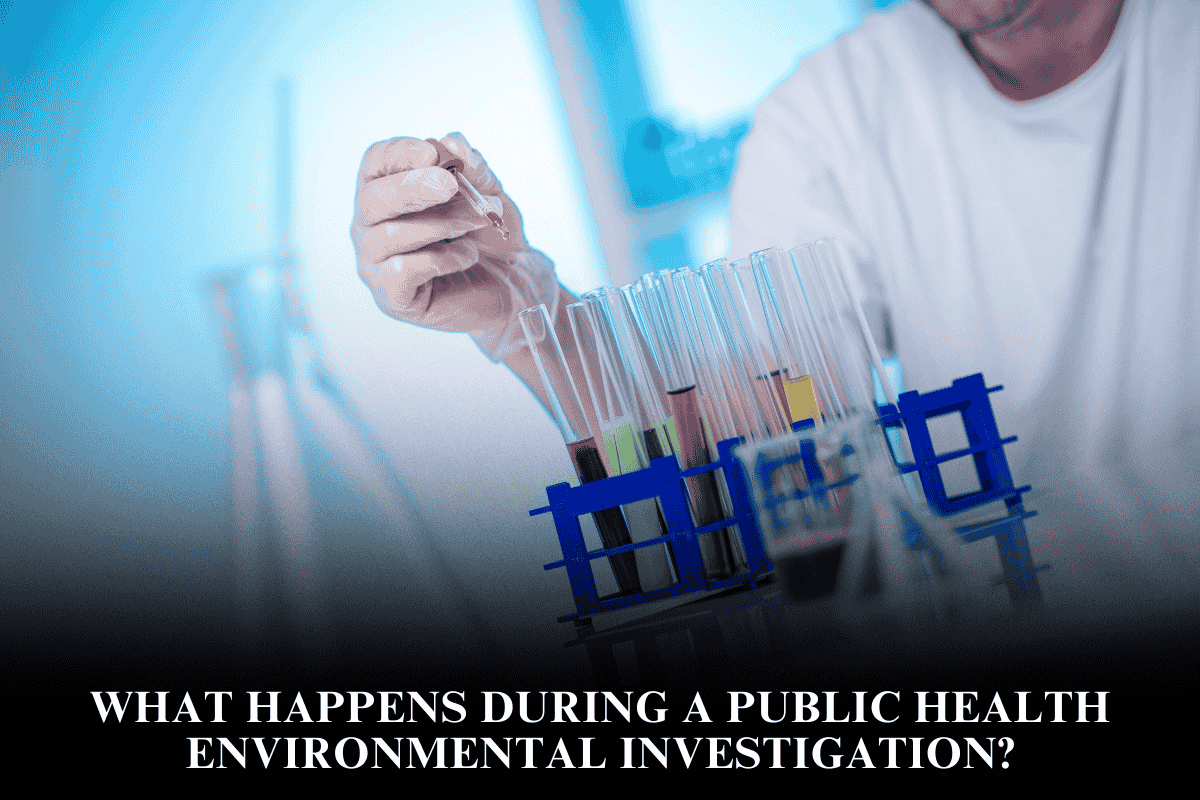
Collect implicated foods, water, swabs from surfaces, or air—labeling sources, quantities, and chains of custody for lab analysis matching patient samples. Hypotheses from epi data guide targets; real-time findings adjust focus.
Analysis, Reporting, and Corrective Actions
Labs test for pathogens/toxins; reports detail violations, risks, and recommendations reviewed with PIC for immediate fixes like HACCP plans or closures. Multi-disciplinary debriefs generate control measures; appeals noted for embargoes. Follow-ups verify compliance.
FAQ
When does an investigation start?
Within 24 hours of outbreak notification or hazard report.
Who participates?
Epidemiologists, lab officials, environmental health inspectors.
What does on-site involve?
Interviews, process reviews, visuals, sampling of foods/environments.
Why sample suspect items?
Links environmental sources to illnesses via lab matching.
What follows the report?
Corrective actions, education, enforcement like closures.