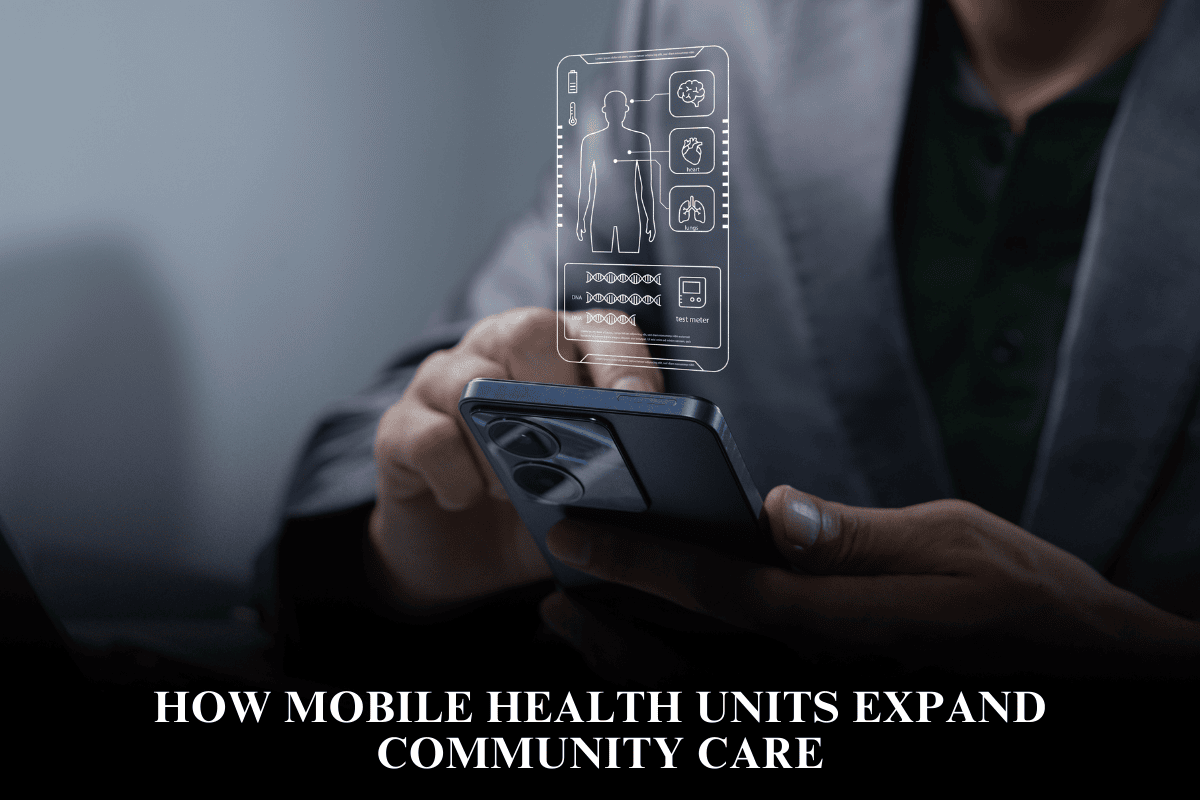
Mobile health units (MHUs) deliver essential services directly to underserved areas, bridging gaps in access for rural, low-income, homeless, and remote populations by providing screenings, vaccinations, and chronic care on-site. These vehicles cut emergency visits by ~600 annually per unit, yielding a 12:1 ROI through preventive care that saves $12 per $1 invested while improving outcomes like early cancer detection. Flexible and cost-effective, MHUs target vulnerable groups—56% uninsured, 55% low-income—fostering trust via community-tailored visits.
Accessibility for Remote and Vulnerable Groups
MHUs eliminate travel barriers, serving rural natives, slums, and displaced families where clinics are scarce, offering primary care, health education, and referrals. In India’s National Health Mission, they reach unreached hamlets; U.S. models hit reservations and homeless sites, empowering navigation of complex systems. Shorter waits and free meds boost utilization, as families note time savings over government hospitals.
Cost Savings and Preventive Focus
Units prevent crises via flu shots, BP/diabetes checks, and cancer screenings, reducing lifetime care needs and freeing hospital resources for emergencies. Each saves 65 quality-adjusted life years yearly; CHW-led models build trust, addressing social determinants like transport and childcare.
Community Integration and Tailored Services
MHUs immerse in locales for culturally sensitive care—vaccinations, maternal health, addiction support—via word-of-mouth growth and collaborations with churches/centers. They link to tertiary care, as in Delhi’s BUDS program aiding slum kids with specialist pathways.
Operational Advantages
Versatile as vans or operating theatres, MHUs adapt to outbreaks or surgical needs, enhancing equity without fixed infrastructure.
FAQ
Who do MHUs primarily serve?
Uninsured (56%), low-income (55%), homeless (38%), rural (36%) populations.
How much do they save?
$12 per $1 spent; ~600 fewer ER visits/unit yearly.
What services do they offer?
Screenings, vaccines, education, chronic management, referrals.
Why community-led?
Builds trust, reduces barriers like transport/childcare.
Global examples?
India’s MMUs for remote areas; U.S. for reservations/homeless.