Public health clinics serve as frontline hubs for community wellness, delivering preventive care, education, and equitable access to underserved populations through primary services and partnerships. Unlike hospitals focused on treatment, these centers emphasize holistic well-being, addressing physical, mental, and social needs via screenings, vaccinations, and chronic disease management. They reduce disparities by offering sliding-scale fees and culturally competent care, fostering healthier populations.
Core Services Provided
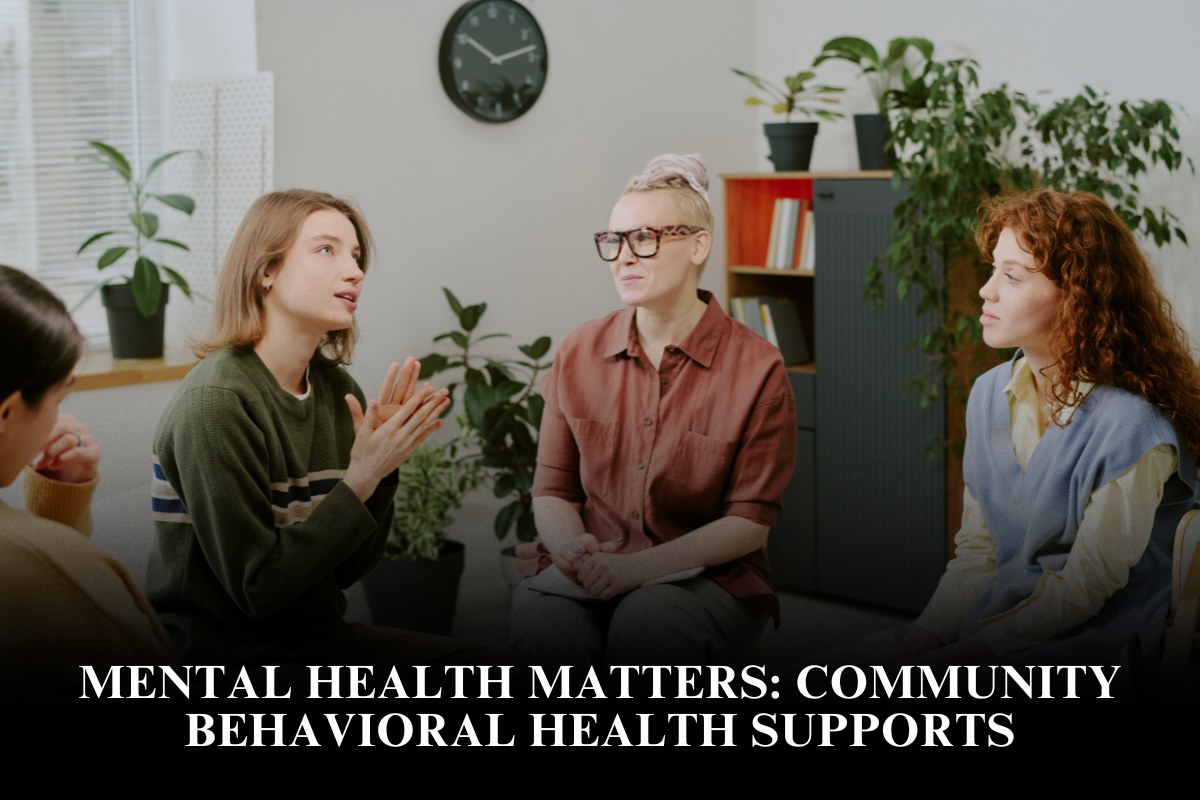
Clinics offer comprehensive primary care including medical checkups, dental services, mental health counseling, and substance misuse treatment. Preventive programs encompass vaccinations, obesity screenings, nutrition counseling, and chronic condition monitoring for diabetes or hypertension. Many integrate pharmacies and community health workers for outreach, ensuring follow-up and lifestyle support.
Role in Disease Prevention and Education
These facilities host workshops on healthy eating, smoking cessation, and injury prevention, empowering residents with knowledge for self-care. They conduct screenings for early detection and run vaccination drives, curbing outbreaks while promoting behaviors like physical activity. Community engagement via forums and surveys tailors services to local needs, bridging gaps in rural or low-income areas.
Addressing Health Disparities
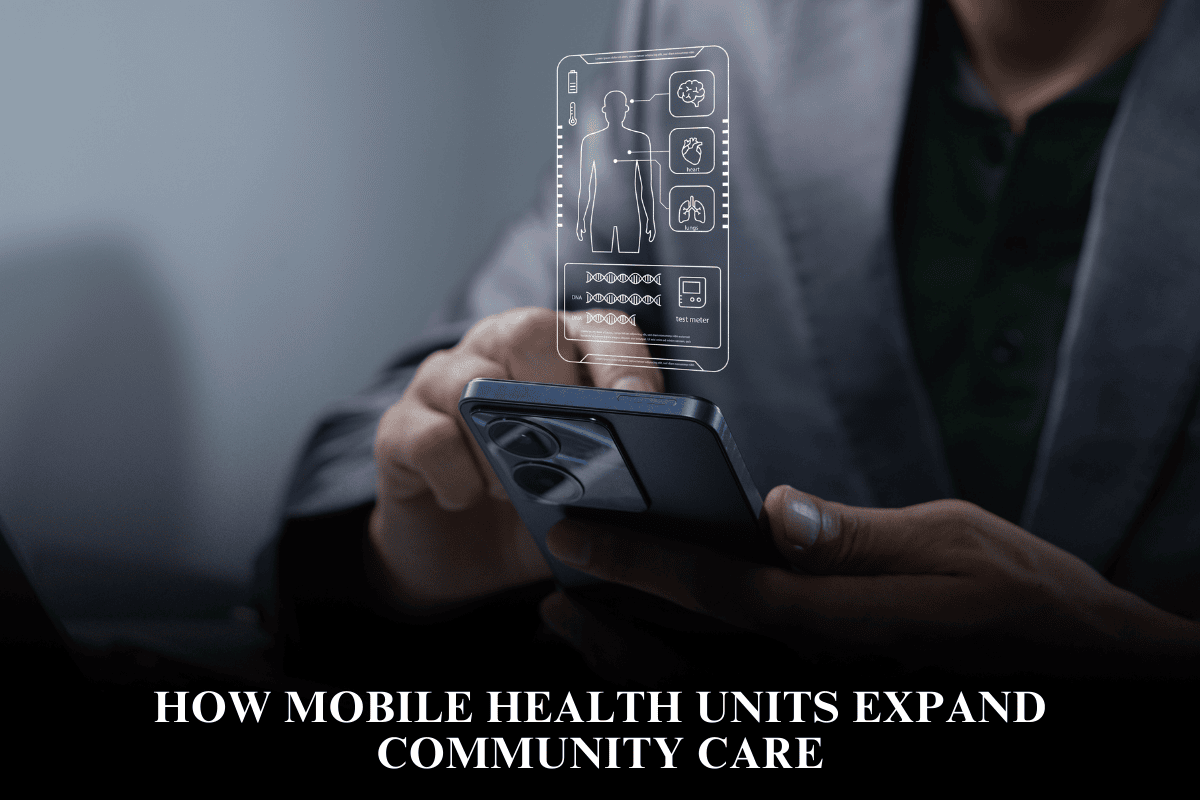
By adjusting costs based on income and governing via community-majority boards, clinics ensure access for uninsured families. They tackle inequities through mobile units, translation services, and targeted interventions for at-risk groups, lowering emergency visits and costs.
Partnerships and Long-Term Impact
Collaborations with schools, nonprofits, and councils amplify reach via social prescribing and active travel initiatives. Outcomes include better chronic management, reduced hospitalizations, and sustained wellness.
Public health clinics anchor community health, shifting from reactive care to proactive thriving.
FAQ
What services do public health clinics offer?
Primary care, preventive screenings, vaccinations, mental health support, dental, and chronic disease management.
How do they promote preventive health?
Through education workshops, nutrition counseling, smoking cessation, and early screenings to avoid diseases.
Why focus on health disparities?
They provide affordable, accessible care via sliding fees and community boards for underserved groups.
What is their role in chronic disease?
Personalized plans, medication monitoring, and lifestyle guidance reduce complications and costs.
How do clinics engage communities?
Public forums, surveys, mobile outreach, and partnerships for tailored, resident-driven programs.