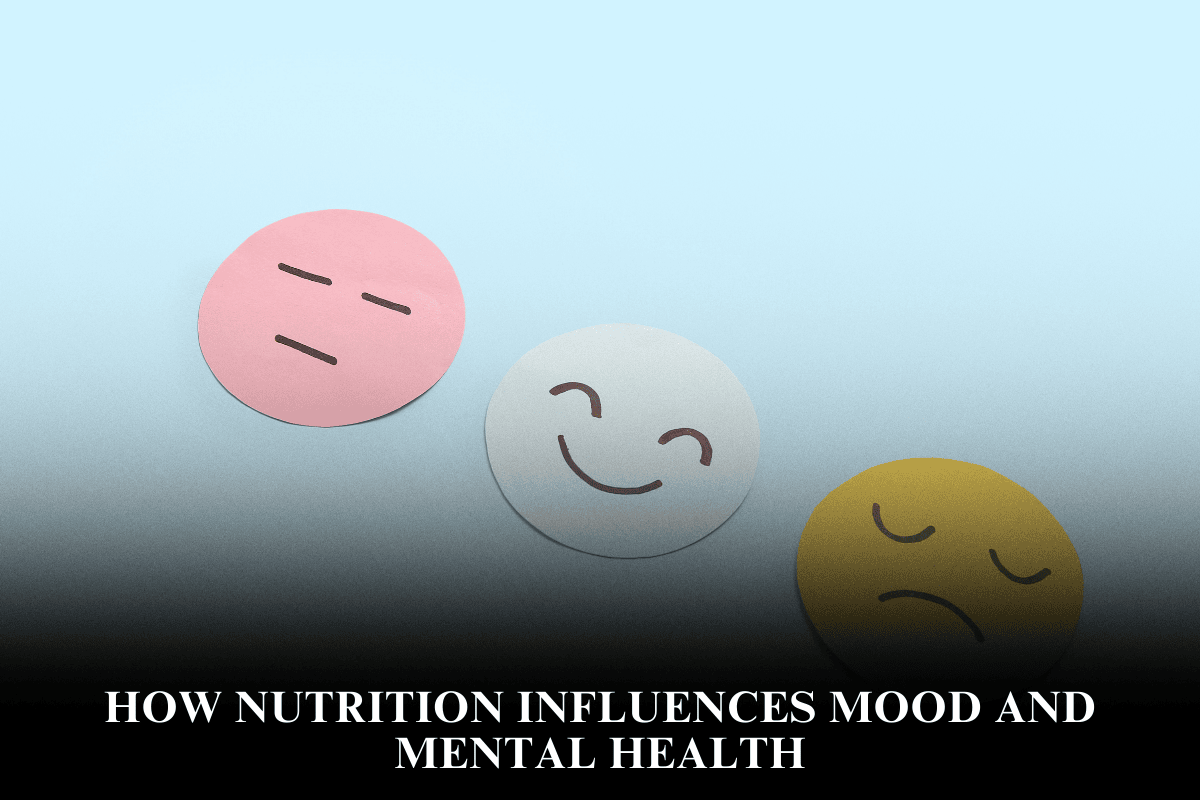
Nutrition profoundly shapes mood and mental health through mechanisms like blood sugar stability, inflammation reduction, and gut-brain signaling, with healthy diets lowering depression risk by up to 30%. Poor diets high in refined carbs and trans fats exacerbate low mood via glycemic spikes and oxidative stress, while Mediterranean patterns rich in fruits, veggies, and omega-3s boost serotonin and resilience. Emerging nutritional psychiatry links these effects to microbiome diversity and neurotransmitter production.
Key Nutritional Pathways
Refined carbs cause rapid blood glucose fluctuations, heightening depressive symptoms through insulin dysregulation and hippocampal impairment. Healthy fats like omega-3s from fish curb inflammation—a depression driver—while polyphenols in produce enhance dopamine/serotonin. Gut microbes, fed by fiber-rich foods, produce mood-regulating metabolites via the vagus nerve.
Beneficial Foods and Patterns
- Fruits/Veggies: Flavonoids elevate serotonin; 5+ servings daily cut anxiety.
- Whole Grains/Protein: Stabilize energy; amino acids like tryptophan fuel mood neurotransmitters.
- Omega-3s/Nuts: Anti-inflammatory; linked to 20% lower depression odds.
- Fermented Foods: Probiotics support microbiome for reduced stress.
- Mediterranean Diet: Veggies, fish, olive oil—superior to Western diets for mental wellbeing.
Avoid trans fats/sugary drinks worsening symptoms.
Risks of Poor Nutrition
Western diets spike inflammation and impair barrier function, compounding mood disorders; reverse causality exists, but trials confirm diet improvements alleviate symptoms independently. Dehydration alone drops concentration and elevates irritability.
Practical Strategies
Eat regularly to prevent crashes; hydrate; prioritize balanced plates. Trials show Mediterranean adherence yields moderate-large mood gains in depressed individuals.
FAQ
How do carbs affect mood?
Refined ones spike/crash glucose, worsening depression; whole grains stabilize.
Role of gut health?
Microbiome influences brain via inflammation/hormones; fiber/probiotics key.
Can diet treat depression?
Supports therapy; Mediterranean patterns reduce symptoms comparably to some meds.
Quick mood boosters?
Fruits for serotonin precursors; nuts for healthy fats.
Hydration’s impact?
Mild dehydration impairs focus/mood; aim for 8 glasses daily.