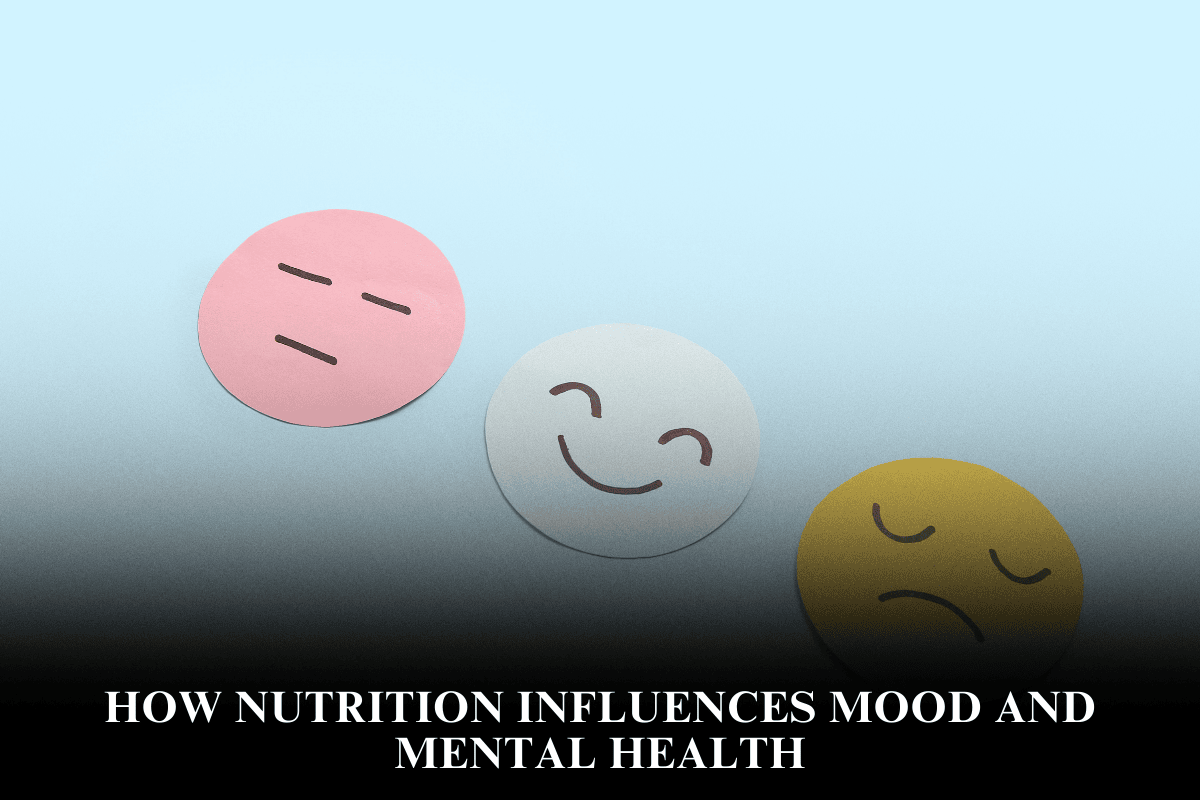
Healthy routines centered on balanced nutrition, regular movement, quality sleep, and stress management compound over time to prevent chronic diseases like cancer, heart issues, and diabetes while enhancing energy and mental clarity. Morning habits—such as plant-forward breakfasts, sunlight exposure, and gentle exercise—align with circadian rhythms, reducing inflammation and bolstering immunity for sustained vitality. Consistency transforms these into lifelong pillars, outperforming sporadic efforts.
Nutrition and Hydration Foundations
Start days with fiber-rich, antioxidant-packed meals like oats with berries or wholegrain toast, curbing inflammation and supporting gut health critical for immunity. Aim for varied fruits, vegetables, nuts, and whole grains daily, limiting sugars, saturated fats, and processed foods to lower obesity and cancer risks. Hydrate with water—8 glasses minimum—flushing toxins, aiding digestion, and maintaining energy; limit sugared drinks.
These fuel metabolism and mood stability long-term.
Movement and Sleep Essentials
Incorporate 20-30 minutes of morning walking, yoga, or stretching to activate circulation and hormone balance, building toward 150 weekly moderate minutes for heart health and muscle preservation. Strength training twice weekly combats age-related bone loss. Prioritize 7-9 hours nightly sleep via consistent bedtimes, dark rooms, and no screens, as it repairs tissues and regulates immunity—poor sleep elevates disease risk.
Nature exposure boosts mood and vitamin D.
Stress and Preventive Practices
Manage stress through mindfulness or hobbies, paired with monthly self-checks and annual screenings for early detection. Quit tobacco, control weight via habits over diets, and monitor cholesterol/blood sugar. Oral hygiene—brushing twice daily, flossing—links to systemic health.
FAQ
Why morning habits for wellness?
They sync with circadian rhythms, reducing inflammation and priming immunity early.
How much exercise suffices daily?
20-30 minutes moderate activity; aim 150 weekly minutes plus strength twice.
Does hydration impact long-term health?
Yes—prevents dehydration-related fatigue, supports kidneys, and aids weight control.
What sleep duration promotes longevity?
7-9 hours nightly for repair, immunity, and disease prevention.
How does diet prevent chronic illness?
Plant-rich meals lower cancer/heart risks via fiber, antioxidants, and microbiome support.
Why include nature time?
Fresh air cleans lungs, lowers stress/heart rate, and elevates energy.