Community design shapes environmental health by integrating green spaces, walkable layouts, and mixed land uses that boost physical activity, cut air pollution, and lower ...
Public health environmental investigations identify and mitigate hazards like contaminated water, foodborne outbreaks, or air pollutants through systematic site assessments, sampling, and multi-agency collaboration. ...
Children face heightened vulnerability to environmental health risks due to developing bodies, faster breathing rates, and behaviors like hand-to-mouth activity that increase toxin intake. ...
Keeping your backyard free of disease-carrying pests like mosquitoes, ticks, rodents, and flies requires proactive prevention through sanitation, barriers, and natural controls, reducing risks ...
Household air pollutants, often 2-5 times higher indoors than outdoors, include VOCs from cleaners, CO from faulty appliances, particulate matter from cooking, radon from ...
Protecting vision and hearing preserves quality of life by preventing irreversible damage from noise, UV exposure, impacts, and strain, with simple habits like protective ...
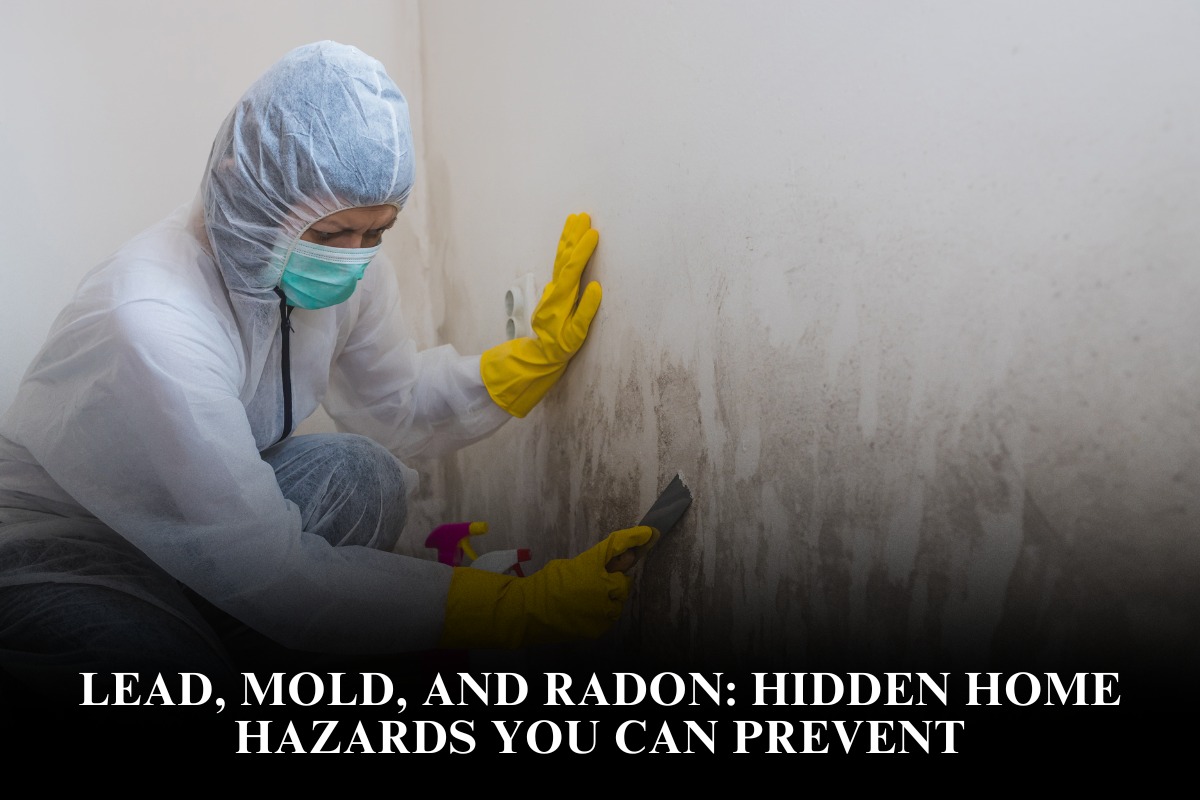
Lead, mold, and radon are hidden home hazards that pose serious health risks but can be prevented with awareness and proactive measures. These contaminants ...
Protecting workers through effective occupational health and safety (OHS) practices is essential not only for employee well-being but also for organizational success and societal ...
Family planning services equip individuals and couples with the knowledge and resources to make informed decisions about if and when to have children, promoting ...
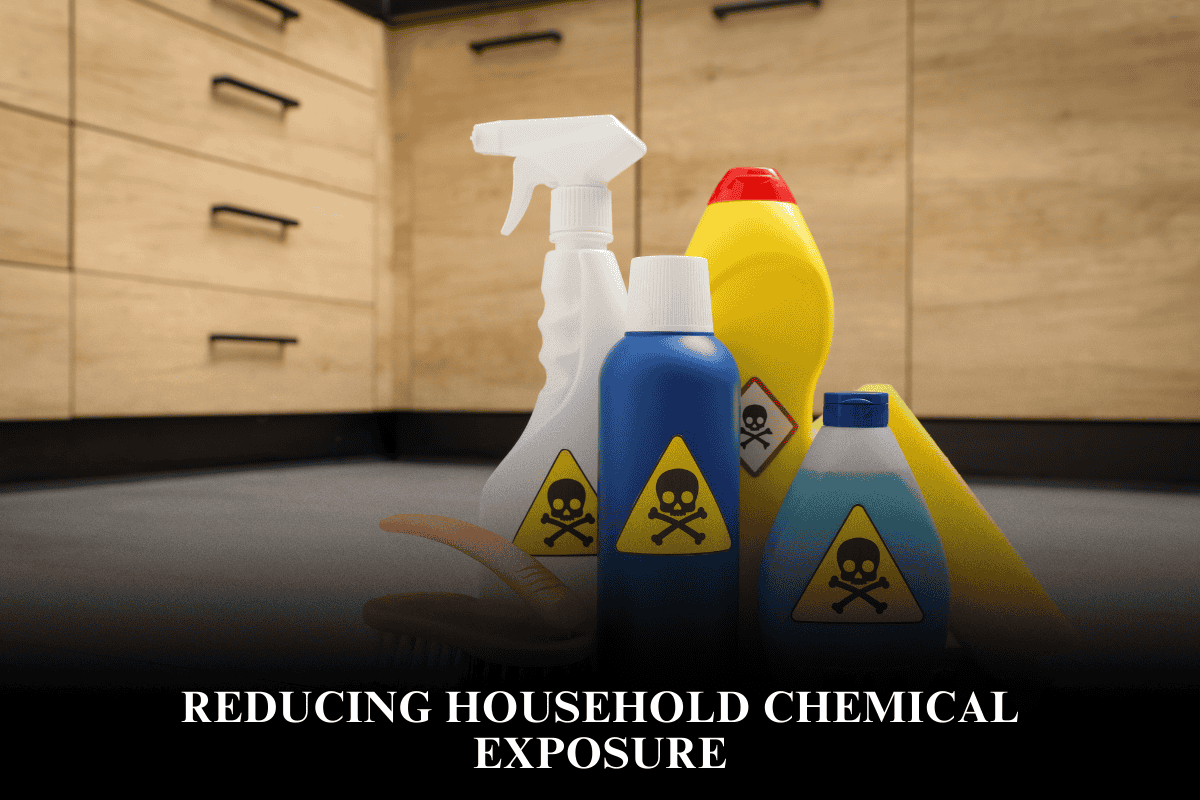
Reducing household chemical exposure is crucial for maintaining a healthy living environment, minimizing risks of respiratory problems, allergies, and long-term health effects. Here are ...