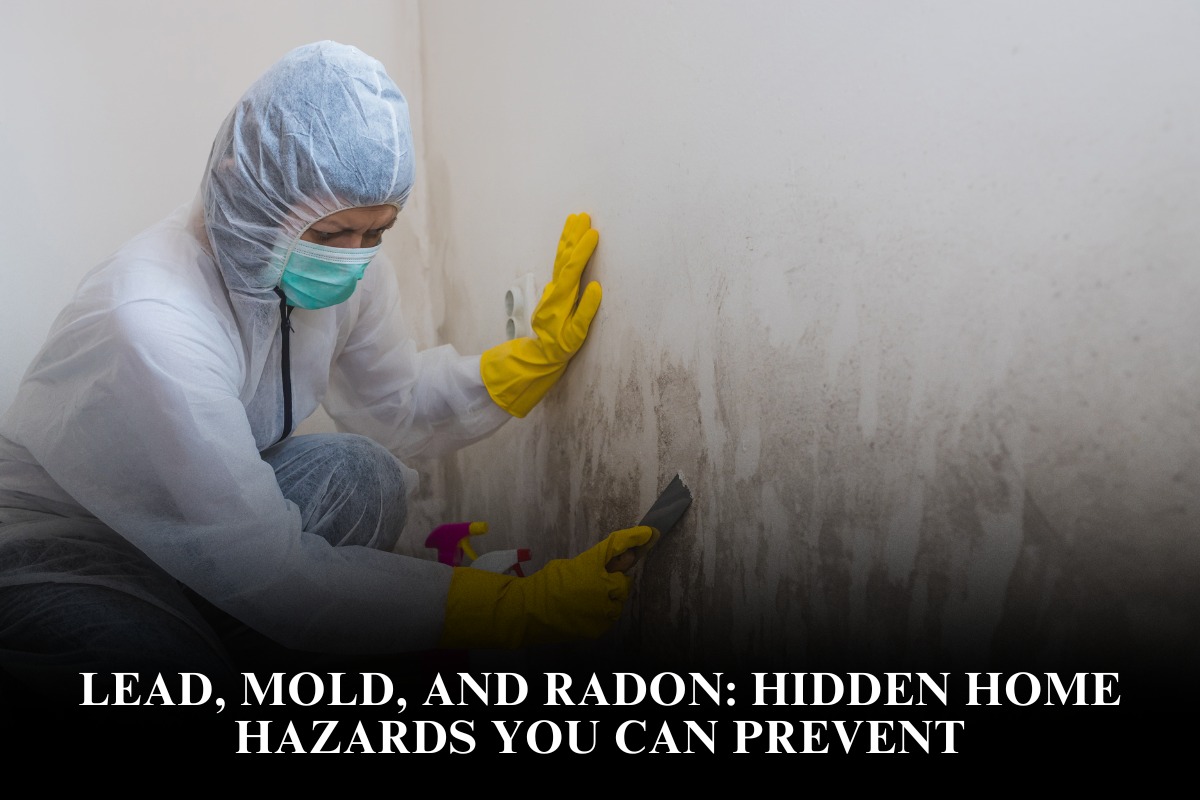
Lead, mold, and radon are hidden home hazards that pose serious health risks but can be prevented with awareness and proactive measures. These contaminants often go unnoticed but can significantly impact your family’s well-being. Understanding them and taking steps to minimize exposure is critical for maintaining a safe and healthy home environment.
Understanding the Hazards
- Lead: Commonly found in old paint, dust, and soil, lead exposure is particularly harmful to children, causing developmental delays, behavioral issues, and neurological damage. Homes built before 1978 are most at risk for lead-based paint hazards, especially if the paint is deteriorating or disturbed during renovations.
- Mold: Mold thrives in damp, poorly ventilated areas such as basements, bathrooms, and kitchens. Exposure to mold spores can trigger allergies, asthma attacks, respiratory infections, and other health problems, particularly for individuals with allergies or weakened immune systems.
- Radon: Radon is a colorless, odorless radioactive gas produced by the natural breakdown of uranium in soil. It can accumulate indoors, especially in basements and low-level areas. Prolonged exposure to radon increases lung cancer risk and is the second leading cause of lung cancer after smoking.
How to Prevent These Hazards
- Lead Prevention:
- Test your home for lead if it was built before 1978.
- Keep painted surfaces in good condition and address peeling or chipping paint immediately.
- Avoid renovation practices that generate lead dust without proper containment.
- Wash children’s hands and toys regularly to reduce ingestion risk.
- Hire certified professionals for lead paint inspection and abatement.
- Mold Control:
- Keep indoor humidity below 60%, ideally between 30-50%.
- Fix leaks in plumbing or roofs promptly to prevent moisture buildup.
- Ensure proper ventilation in moisture-prone areas using exhaust fans or dehumidifiers.
- Clean and dry wet or damp materials within 24-48 hours to prevent mold growth.
- Use mold-resistant products such as drywall and paint in high-humidity areas.
- Radon Mitigation:
- Test your home using a radon test kit or hire professionals.
- If levels exceed EPA’s action level of 4 pCi/L, install mitigation systems like sub-slab depressurization to vent radon outdoors.
- Seal cracks and openings in foundations to limit radon ingress.
- Conduct periodic retesting, especially after home renovations or changes to ventilation.
Why Prevention Matters
Preventing lead, mold, and radon hazards protects your family from chronic health issues, reduces medical costs, and improves overall quality of life. Early detection and intervention limit exposure and minimize long-term health risks. Furthermore, maintaining a safe home environment preserves property value and complies with health regulations.
FAQ
1. How do I know if my home has lead?
Homes built before 1978 likely contain lead-based paint. Professional testing or DIY kits can identify lead hazards.
2. What health symptoms might indicate mold exposure?
Symptoms include coughing, sneezing, eye irritation, skin rashes, and worsening asthma or allergies.
3. How often should radon be tested?
Test at least every two years, or after significant home renovations or changes to ventilation systems.
4. Can I remove mold myself?
Small patches of mold on non-porous surfaces can be cleaned with proper protective gear, but extensive contamination requires professional remediation.
5. Are there government programs to help with these hazards?
Yes, many local and state agencies offer lead hazard control resources, radon testing subsidies, and mold education programs.
By staying informed about lead, mold, and radon, homeowners can take effective steps to detect, prevent, and remediate these hidden hazards. Creating a dry, clean, and well-maintained home environment is key to ensuring the health and safety of your household now and into the future.