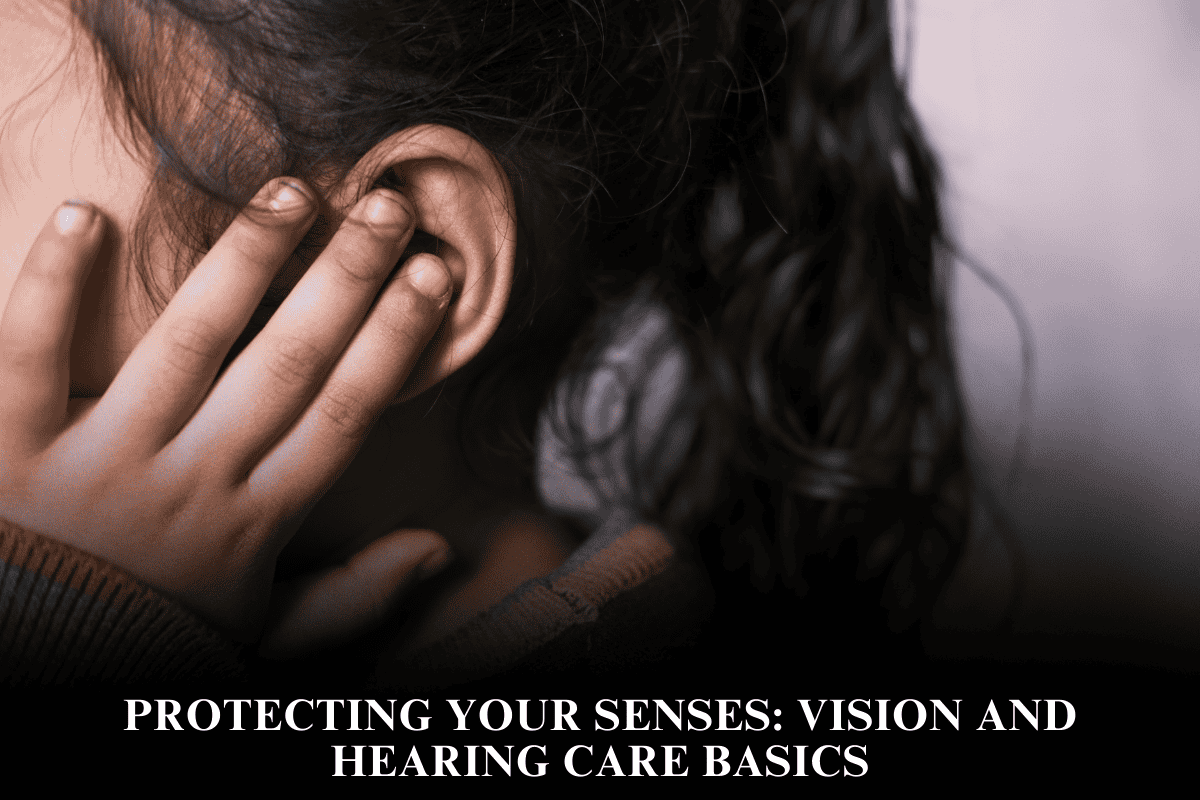
Protecting vision and hearing preserves quality of life by preventing irreversible damage from noise, UV exposure, impacts, and strain, with simple habits like protective gear and regular checkups yielding lifelong benefits. Vision care shields eyes from debris, chemicals, and blue light, while hearing protection blocks damaging decibels above 85 dB from machinery, music, or gunfire. Proactive measures—sunglasses, earplugs, and hygiene—reduce risks of cataracts, macular degeneration, tinnitus, and sensorineural loss.
Vision Protection Essentials
Wear ANSI-rated safety glasses or goggles during work, sports, or DIY tasks to block flying debris, dust, and chemicals; prescription over-glasses suit those needing correction. UV-blocking sunglasses (100% UVA/UVB) prevent long-term damage even on cloudy days, paired with wide-brimmed hats. Follow the 20-20-20 rule for screens: every 20 minutes, look 20 feet away for 20 seconds. Maintain hydration, nutrient-rich diets (leafy greens, fish), and annual eye exams for early detection.
Hearing Protection Strategies
Use earplugs (foam or custom) or earmuffs with high NRR (25-33 dB) in noisy environments like concerts, shooting, or construction; combine for max reduction. Limit headphone volume to 60% and take breaks from prolonged exposure. Keep ears clean (no cotton swabs), manage allergies/sinus issues, and get baseline audiograms annually if at risk. Electronic muffs amplify speech while blocking impulses.
Daily Habits and Workplace Tips
Illuminate workspaces adequately to cut strain, face speakers for lip-reading, and reduce background noise. Holistic aids include exercise, sleep (7-9 hours), and stress relief for cellular repair. Employers: conduct noise assessments, train on HPDs, and provide engineering controls like barriers.
FAQs
When to wear eye protection?
During hazards like woodworking, sports, chemicals, or bright sun.
What NRR rating for earplugs/earmuffs?
25+ dB for most; higher (30+) for gunfire or heavy machinery.
How often for eye/hearing checkups?
Annually or biennially; more if symptoms or risks.
Can lifestyle prevent sensory loss?
Yes—diet, hydration, breaks, and protection slow age-related decline.
What if damage occurs?
Seek prompt care; aids like glasses/hearing devices restore function.