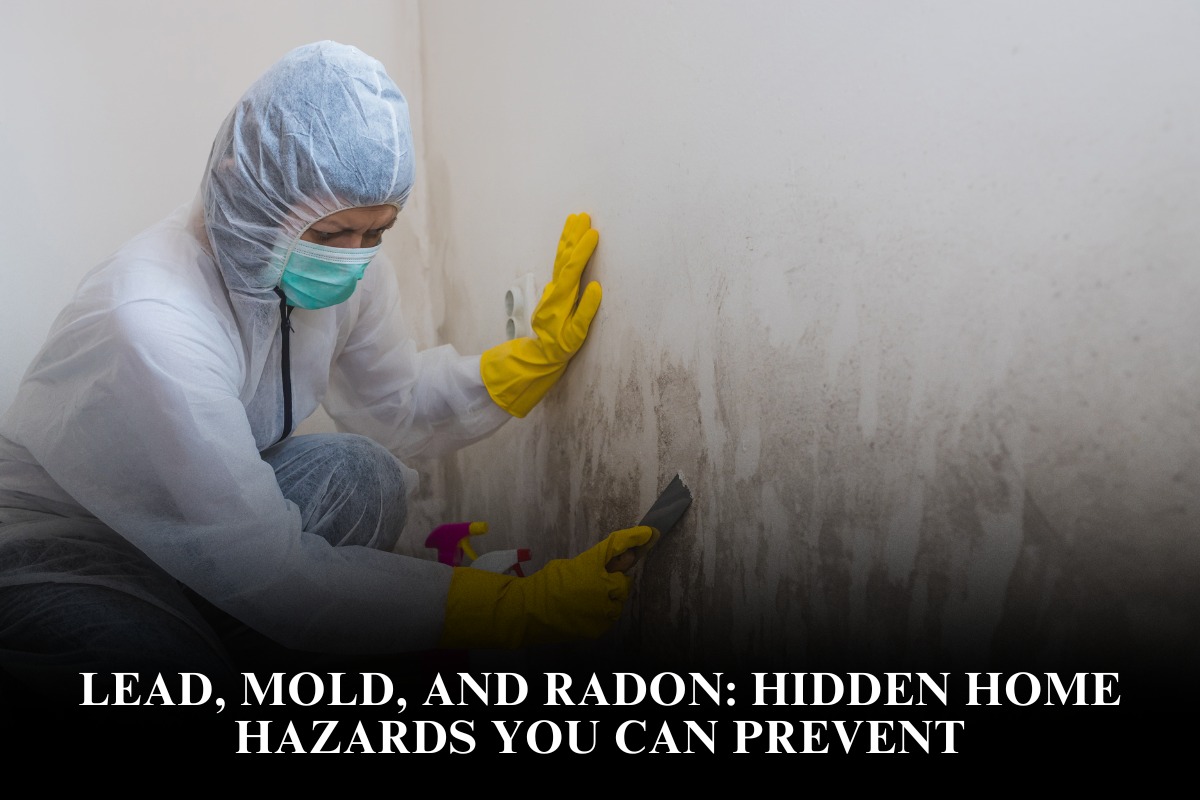
Household air pollutants, often 2-5 times higher indoors than outdoors, include VOCs from cleaners, CO from faulty appliances, particulate matter from cooking, radon from soil, and biological agents like mold, posing risks from irritation to cancer. Sources span combustion (gas stoves), building materials (formaldehyde), and daily activities (smoking, cleaning). Mitigation via ventilation, source control, and filtration improves health, cutting respiratory issues and allergies.
Common Pollutants and Health Risks
VOCs from paints, cleaners, and furnishings irritate eyes/throat and cause headaches; long-term exposure links to liver/kidney damage. CO, odorless from stoves/heaters, causes dizziness or death via oxygen starvation. Particulate matter (PM) from smoke/dust inflames lungs, worsening asthma. Biologicals like mold thrive in dampness, triggering allergies/infections; radon silently raises lung cancer risk.
Nitrogen dioxide (NO2) from gas appliances exacerbates respiratory diseases.
Effective Reduction Strategies
Ventilate by opening windows 15-30 minutes daily, using exhaust fans during cooking/cleaning to expel VOCs/PM. Install HEPA filters in HVAC/purifiers to trap 99.97% particles; maintain 30-50% humidity with dehumidifiers to curb mold. Test for radon (kits <$20) and CO (detectors mandatory); service combustion appliances annually. Choose low-VOC products, ban indoor smoking, and vacuum with HEPA bags weekly.
Seal cracks to block radon; air out new furniture.
Long-Term Prevention Tips
Source control trumps remediation: opt for electric over gas stoves, natural cleaners, and solid wood over pressed materials emitting formaldehyde. Plants like spider or peace lily mildly filter VOCs; regular duct cleaning reduces dust buildup. Monitor with IAQ sensors for real-time alerts.
FAQ
What are the top indoor pollutants?
VOCs, CO, PM, mold, radon, NO2 from cleaners, appliances, combustion, dampness, soil.
How does poor IAQ affect health?
Short-term: irritation, headaches; long-term: asthma, cancer, heart disease.
Why ventilate regularly?
Dilutes pollutants 5-10x; fans expel cooking smoke/VOCs effectively.
Do air purifiers work?
HEPA models capture PM/allergens; activated carbon targets VOCs/odors.
How to test for radon/CO?
Affordable kits/detectors; place in lowest levels, replace batteries yearly.
Can houseplants purify air?
Mildly—they absorb some VOCs but pair with ventilation for best results.