Protecting workers through effective occupational health and safety (OHS) practices is essential not only for employee well-being but also for organizational success and societal advancement. OHS is evolving to address complex workplace risks while promoting holistic health and sustainability.
The Evolving Landscape of Occupational Health and Safety
OHS today encompasses more than injury prevention; it adopts a comprehensive approach often termed “Total Worker Health.” This strategy integrates safety, physical health, mental well-being, and even social factors affecting workers at all organizational levels. Modern OHS programs include risk assessments, employee training, emergency preparedness, and continuous monitoring to create safer work environments.
Key Components of Effective OHS Programs
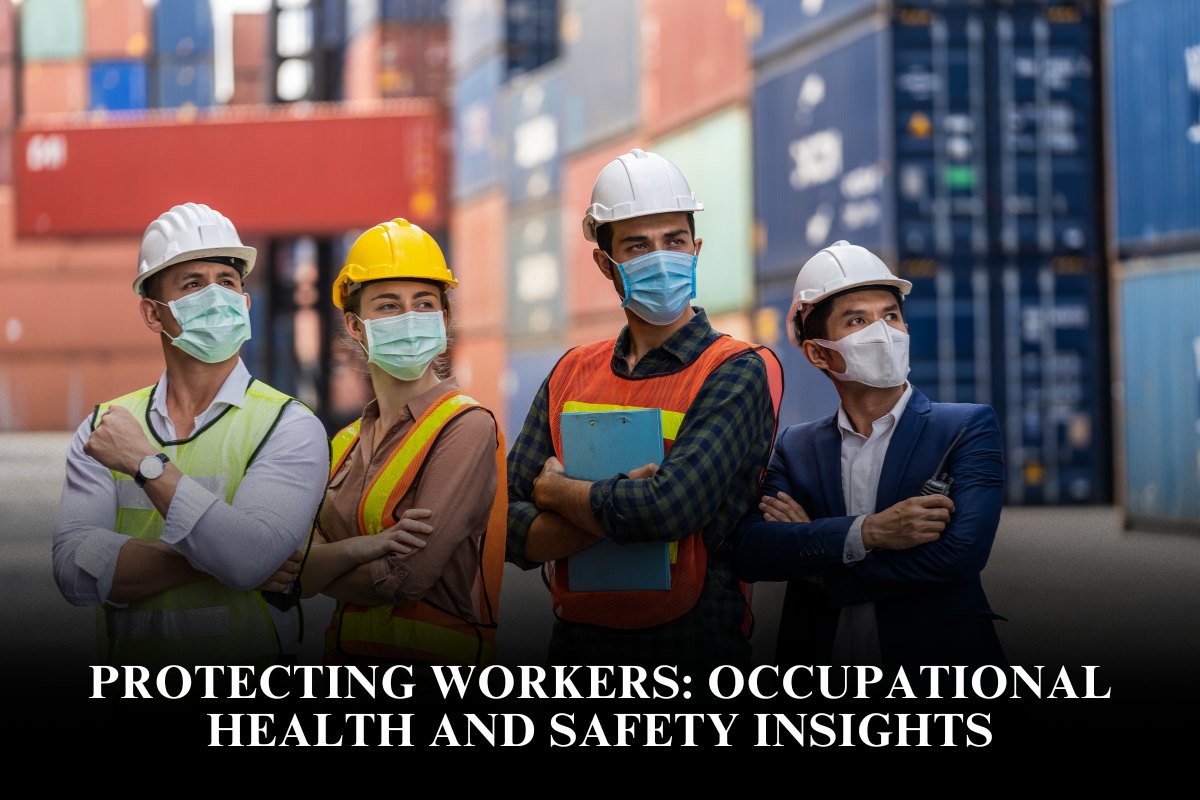
Successful OHS initiatives require hazard identification and risk management, ensuring that workplaces comply with regulations and proactively address potential threats. Providing personal protective equipment (PPE), fostering a safety-oriented culture, and facilitating worker participation in safety planning enhance program effectiveness. Leadership commitment and systematic implementation embed safety as a core organizational value.
Addressing Psychological and Emerging Risks
Today’s workplaces must also address mental health challenges such as stress, burnout, and workplace violence. Shift work, especially night shifts, has been linked to increased risks of chronic diseases, underlining the importance of scheduling and wellness programs. The rise of new technologies like AI and automation introduces novel safety considerations that organizations must manage thoughtfully.
Global and Local Variations in OHS Practices
OHS strategies vary globally due to differing regulations, cultural norms, and industry specifics. For example, some countries mandate certified safety firms; others rely more on internal protocols. Understanding these differences allows multinational organizations to tailor effective and compliant safety programs across regions.
Benefits of Strong OHS Programs
Effective OHS leads to reduced accidents and illnesses, lower absenteeism, and improved productivity. It also strengthens employer branding, attracts talent, and fosters employee engagement. Investing in safety generates long-term cost savings by minimizing compensation claims, legal costs, and disruptions.
FAQ
Q: What is the modern concept of occupational health and safety?
A: It includes prevention of physical and psychological risks, promoting total worker health encompassing safety, well-being, and workplace culture.
Q: What are essential elements of a good OHS program?
A: Risk assessments, PPE use, safety training, leadership commitment, emergency planning, and worker involvement.
Q: How does shift work impact worker health?
A: Night and irregular shifts are linked to higher risks of diabetes, hypertension, and mental health issues, requiring supportive management.
Q: Why do OHS practices differ worldwide?
A: Variations in legal frameworks, cultural attitudes, and industry risks necessitate region-specific safety strategies.
Q: How does investing in OHS benefit organizations?
A: It reduces workplace injuries, lowers costs, enhances reputation, improves productivity, and boosts employee morale.
Protecting workers through comprehensive occupational health and safety insights is vital for healthier workplaces and sustainable business success. As challenges and technologies evolve, continuous adaptation and commitment to OHS are imperative to safeguard today’s workforce and build resilient futures.