Environmental health inspectors play a crucial role in protecting public safety by monitoring and enforcing health, hygiene, and environmental standards across communities. Their work helps prevent disease, contamination, and health risks, ensuring safer environments in public spaces and workplaces.
The Role of Environmental Health Inspectors in Public Safety
Key Responsibilities
- Inspections and Compliance: Inspect facilities such as restaurants, food processing plants, housing, water supplies, swimming pools, and workplaces to ensure they meet health and safety regulations.
- Risk Assessment and Control: Identify potential health hazards, including foodborne illnesses, water contamination, pest infestations, and unsanitary conditions, and recommend corrective actions to mitigate risks.
- Public Education: Inform and educate businesses, institutions, and the public on best practices for hygiene, disease prevention, and environmental health standards to promote community well-being.
- Investigations and Enforcement: Investigate complaints, outbreaks, or violations related to health and environment; issue warnings, orders for corrective measures, and coordinate with authorities to enforce compliance.
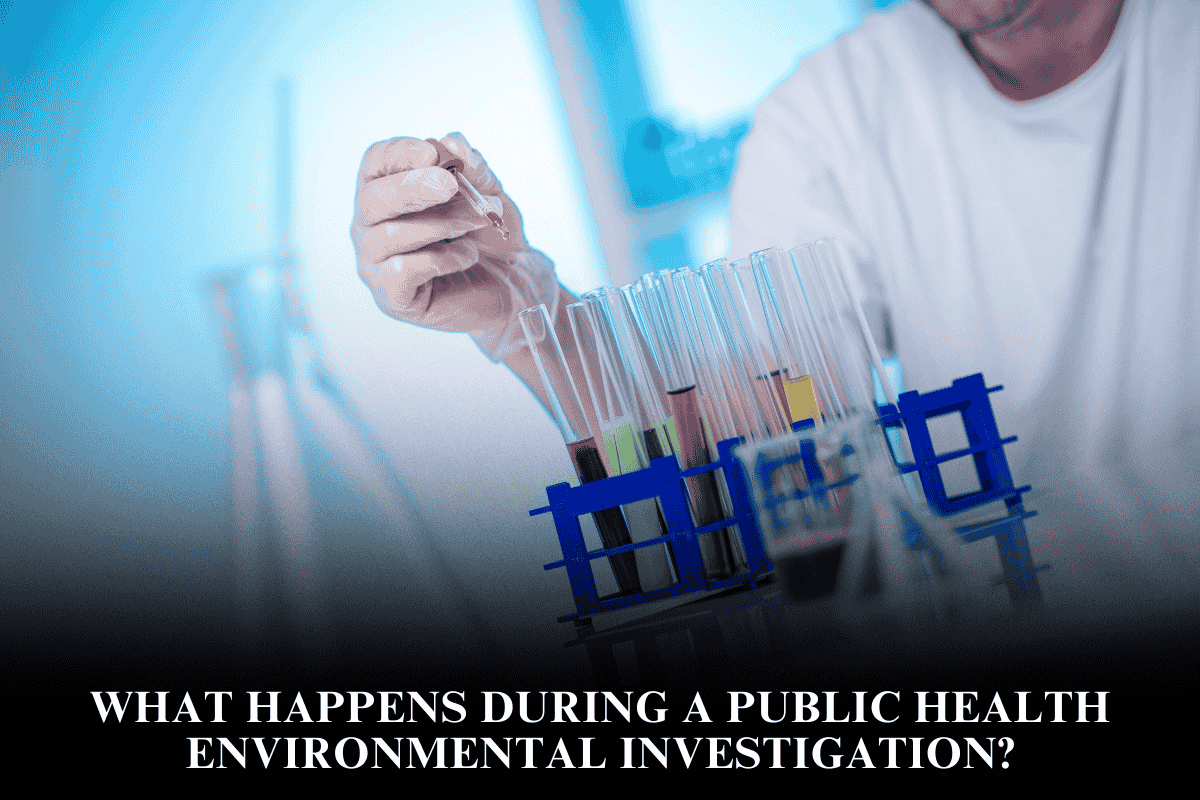
- Sample Collection and Analysis: Collect samples of water, food, air, or surfaces for scientific analysis to detect contamination and assess safety.
- Emergency Response: Participate in planning and implementing measures during public health emergencies such as disease outbreaks or environmental hazards.
Impact on Public Safety
Environmental health inspectors are vital in preventing disease outbreaks, ensuring safe food and water supplies, maintaining clean living and working environments, and promoting public health. This proactive oversight reduces healthcare costs, protects vulnerable populations, and enhances overall quality of life.
FAQ
What environments do environmental health inspectors oversee?
They inspect restaurants, food production facilities, public housing, water sources, swimming pools, workplaces, and other public areas for health compliance.
How do inspectors prevent disease transmission?
Through regular inspections, identifying hazards early, enforcing standards, and educating the public on health and safety practices.
Can environmental health inspectors enforce laws?
Yes, they have the authority to issue compliance orders, fines, and work with legal authorities to ensure violations are addressed.
What qualifications do environmental health inspectors have?
They typically have training in public health, environmental science, microbiology, or related fields, along with regulatory knowledge.
How do inspectors respond to public health emergencies?
They assist in outbreak investigations, implement control measures, and collaborate with healthcare and government agencies to manage risks.