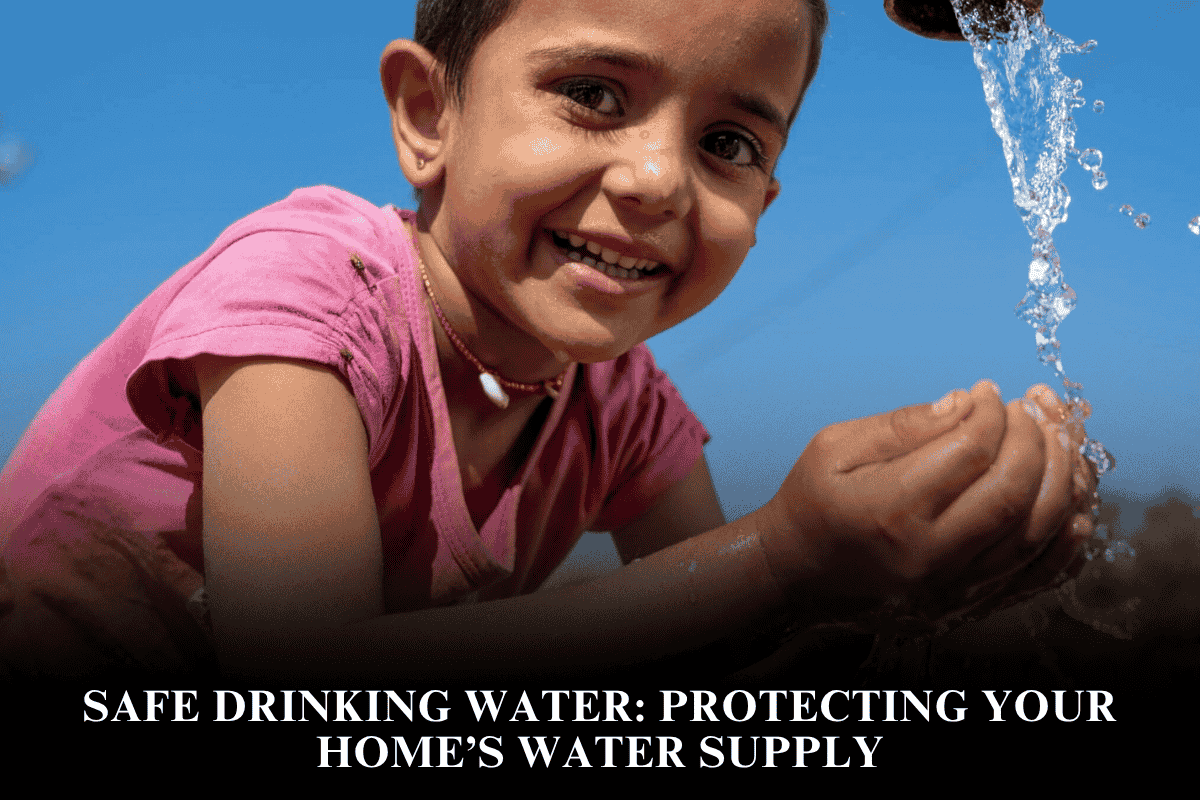
Ensuring safe drinking water in your home is essential for health and well-being. From source protection to household treatment and maintenance, there are practical steps to safeguard your water supply against contamination.
How to Protect Your Home’s Water Supply
- Source Protection:
Prevent contamination of your water source by avoiding nearby chemical storage, properly disposing of waste, and maintaining natural buffers around wells or catchment areas. This is the first crucial line of defense. - Routine Water Testing:
Regularly test water quality, especially if you have a private well or notice changes in taste, odor, or color. Testing detects harmful pathogens, chemicals, or heavy metals early. - Water Treatment Methods:
Boiling water for at least one minute kills germs. Use certified filtration systems (activated carbon, ceramic filters, reverse osmosis) to remove physical, chemical, and microbial contaminants. Chemical disinfectants like chlorine are effective but require careful usage. - Proper Storage and Handling:
Store water in clean, food-grade containers with tight covers to prevent contamination. Clean storage tanks and containers periodically to avoid bacterial growth. - Maintain Plumbing and Fixtures:
Inspect household pipes and fixtures for leaks or corrosion, which can degrade water quality. Use cold water for drinking and cooking to reduce chemical leaching from pipes. - Educate Household Members:
Teach family members about water safety practices like avoiding contamination, regular cleaning, and reporting water quality changes to protect everyone’s health. - Communicate with Providers:
Stay informed by engaging with your water utility or building manager about water quality reports and advisories.
FAQs
Q1: How can I protect my water source?
A1: Avoid chemical hazards nearby, maintain natural buffers, and manage waste properly.
Q2: What treatments make water safe at home?
A2: Boiling, certified filters, chemical disinfectants, and solar disinfection help eliminate contaminants.
Q3: Why test my water regularly?
A3: Testing detects unseen pathogens and pollutants ensuring safety before consumption.
Q4: How should drinking water be stored?
A4: Use clean, sealed food-grade containers and clean them frequently to prevent contamination.
Q5: What household practices protect water quality?
A5: Inspect plumbing, use cold water for drinking, and keep water containers covered and clean.