Environmental justice is more than a movement—it’s a call for fairness, equality, and awareness. It ensures that every person, regardless of race, income, or background, has the right to live in a healthy environment.
Across the United States and around the world, communities of color and low-income neighborhoods often face higher exposure to pollution, lack access to clean water, and are more vulnerable to the effects of climate change.
Understanding these issues is the first step toward creating a fair and sustainable future for all.
What Is Environmental Justice?
Environmental justice (EJ) refers to the fair treatment and meaningful involvement of all people in environmental laws, policies, and actions. It aims to eliminate the unequal burden of environmental hazards that disproportionately affect marginalized communities.
The movement began gaining national attention in the 1980s when activists highlighted how toxic waste sites were often located near Black and low-income communities.
Today, EJ encompasses not only pollution and waste but also issues like access to green spaces, clean energy, and disaster resilience.
The Power of Understanding
True progress begins with understanding. When people recognize how environmental issues intersect with social, racial, and economic inequalities, they can take informed action. Education and awareness empower individuals to advocate for change and hold industries and governments accountable.
Schools, community programs, and local organizations play a crucial role in spreading knowledge about environmental justice.
The power of understanding transforms compassion into action, motivating people to demand clean air, safe housing, and sustainable practices for all neighborhoods—not just privileged ones.
How Environmental Justice Impacts Communities
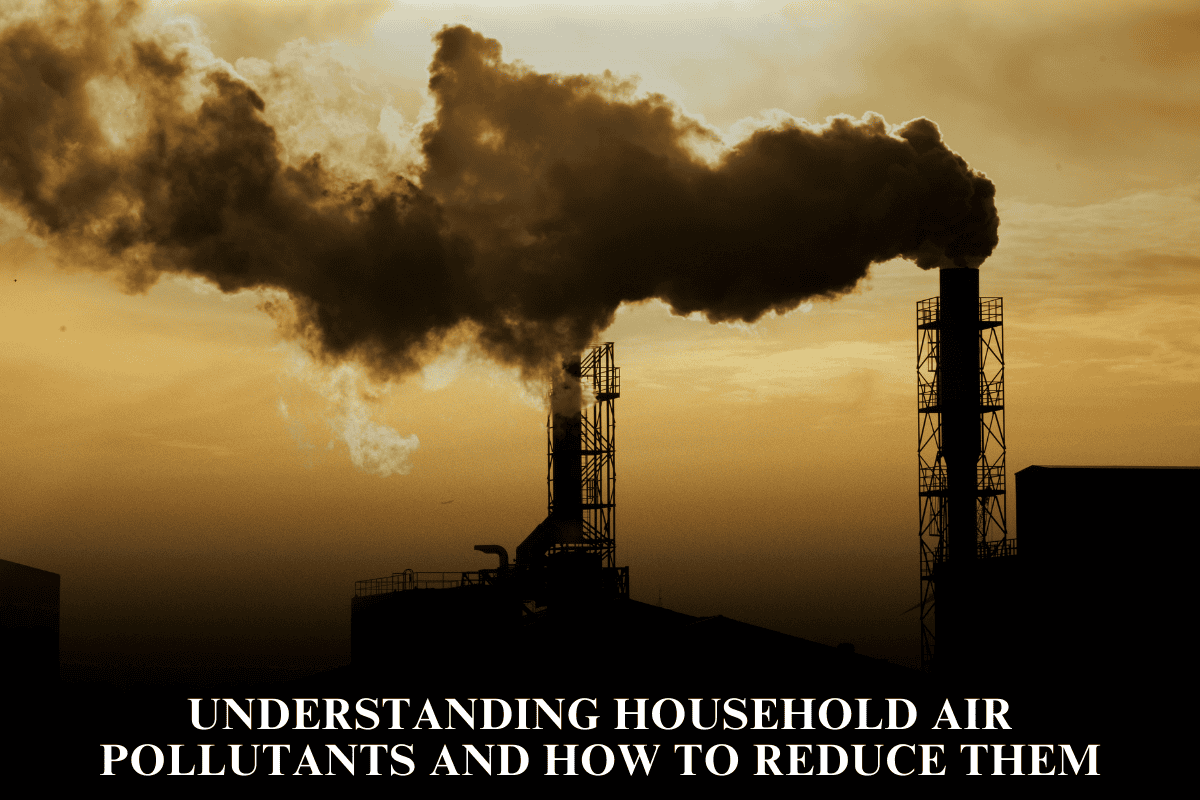
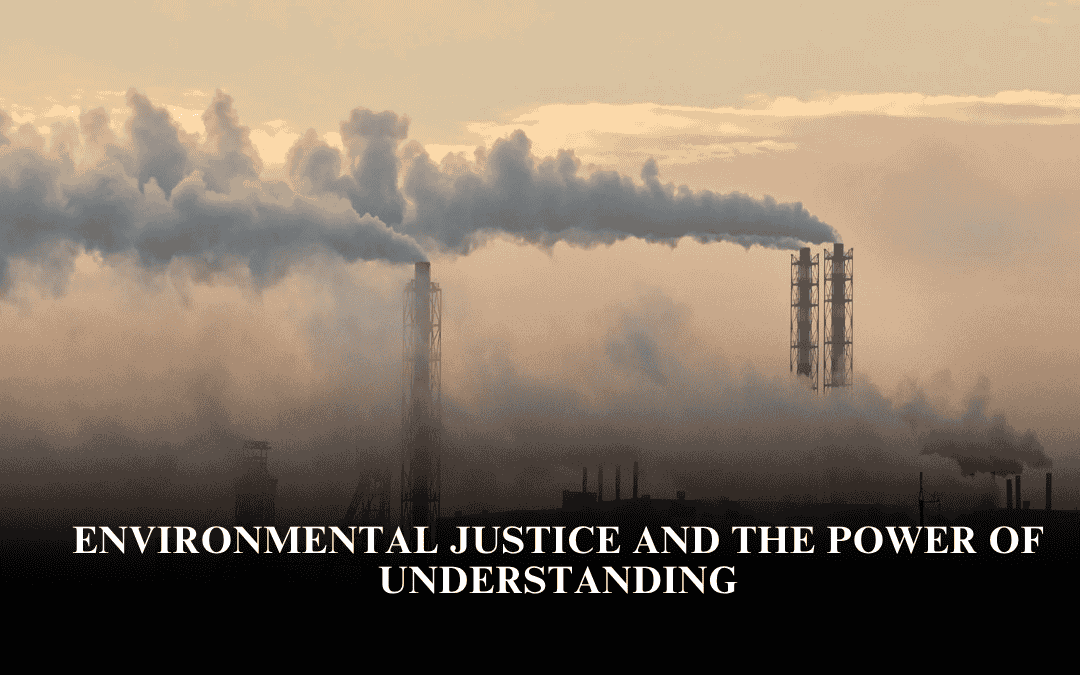
Communities exposed to environmental hazards often experience higher rates of asthma, cancer, and other chronic illnesses. For example, neighborhoods located near industrial plants or highways face daily exposure to air pollutants.
In rural areas, agricultural chemicals can contaminate soil and water sources, threatening both health and livelihoods.
Environmental justice ensures that no community is overlooked when it comes to environmental protection and that everyone benefits equally from sustainable development and climate policies.
The Role of Policy and Advocacy
Government policies and public participation are essential to achieving environmental justice. Initiatives such as the U.S. Environmental Protection Agency’s (EPA) Environmental Justice Program aim to address disparities in environmental health and promote community engagement.
Grassroots organizations also play a major role by amplifying local voices, documenting injustices, and pushing for policy changes. Advocating for clean energy, sustainable transportation, and equitable climate adaptation strategies helps build a healthier planet for future generations.
Frequently Asked Questions (FAQ)
1. What is the main goal of environmental justice?
The main goal is to ensure that all people, regardless of race or income, have equal access to a clean and healthy environment and are protected from environmental harm.
2. How does environmental justice relate to climate change?
Climate change disproportionately affects vulnerable communities through rising temperatures, flooding, and food insecurity. Environmental justice works to address these inequities through fair adaptation and mitigation strategies.
3. What are examples of environmental injustices?
Examples include placing landfills near low-income areas, unsafe drinking water in rural or urban communities, and lack of access to public parks or green spaces.
4. How can individuals support environmental justice?
People can support EJ by reducing waste, conserving energy, supporting clean-energy initiatives, volunteering with local organizations, and voting for policies that prioritize environmental equity.
5. Why is understanding so important in this movement?
Understanding creates empathy and awareness, leading to collective action. When people truly grasp the connection between environment and equality, they become powerful advocates for change.