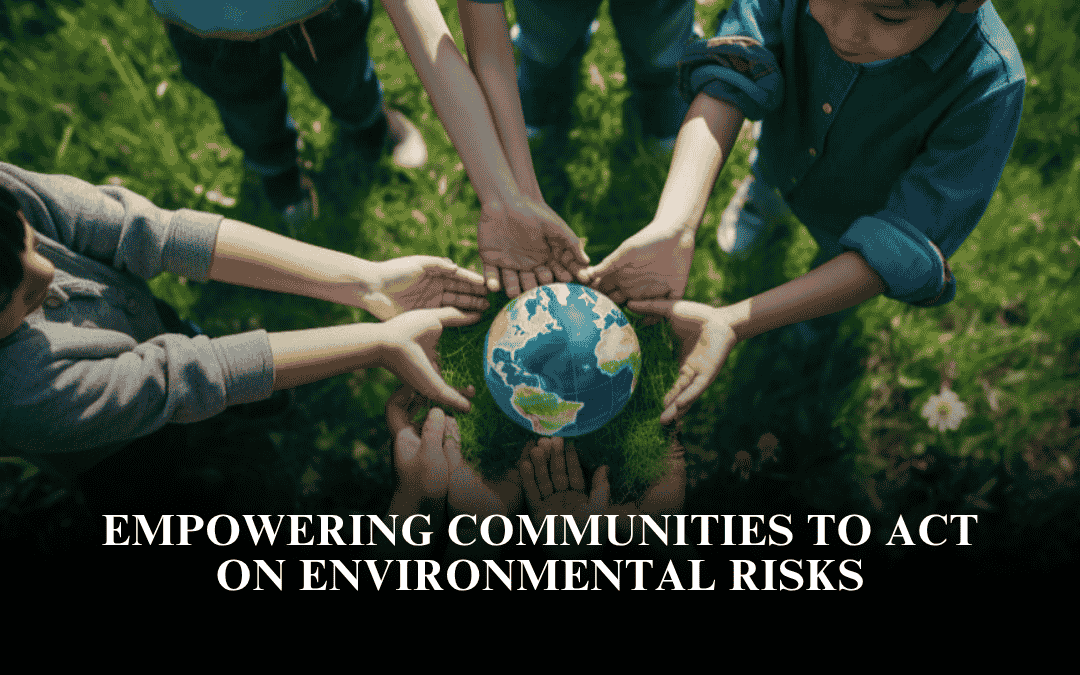
Communities across the United States are increasingly empowered to address environmental risks that directly impact public health, especially those disproportionately affecting marginalized and low-income populations.
This empowerment often involves grassroots organizing, capacity-building, and collaborative research to promote environmental justice and reduce health disparities caused by environmental hazards.
The ultimate goal is to foster community leadership and participation in decisions that affect their environment and well-being.
Community Empowerment for Environmental Health
A key strategy for empowering communities is building local leadership equipped with knowledge about environmental health risks, such as air and water pollution.
Grassroots organizations often mobilize residents to engage in community-based participatory research, which helps identify priority environmental health issues from the residents’ perspective.
This research informs advocacy efforts, legal actions, and policy changes aimed at reducing harmful exposures and advancing health equity.
By expanding community bases and building coalitions, these groups amplify their impact and resources to drive systemic change.
For example, in Los Angeles, coalitions like STAND-L.A. have empowered Latiné and low-income communities suffering from high cancer risks due to exposure to oil and gas wells.
Their efforts combining community organizing and scientific research led to successful policy changes phasing out oil drilling in affected neighborhoods, demonstrating how empowered communities can generate lasting health protections.
Health Risks from Environmental Exposures
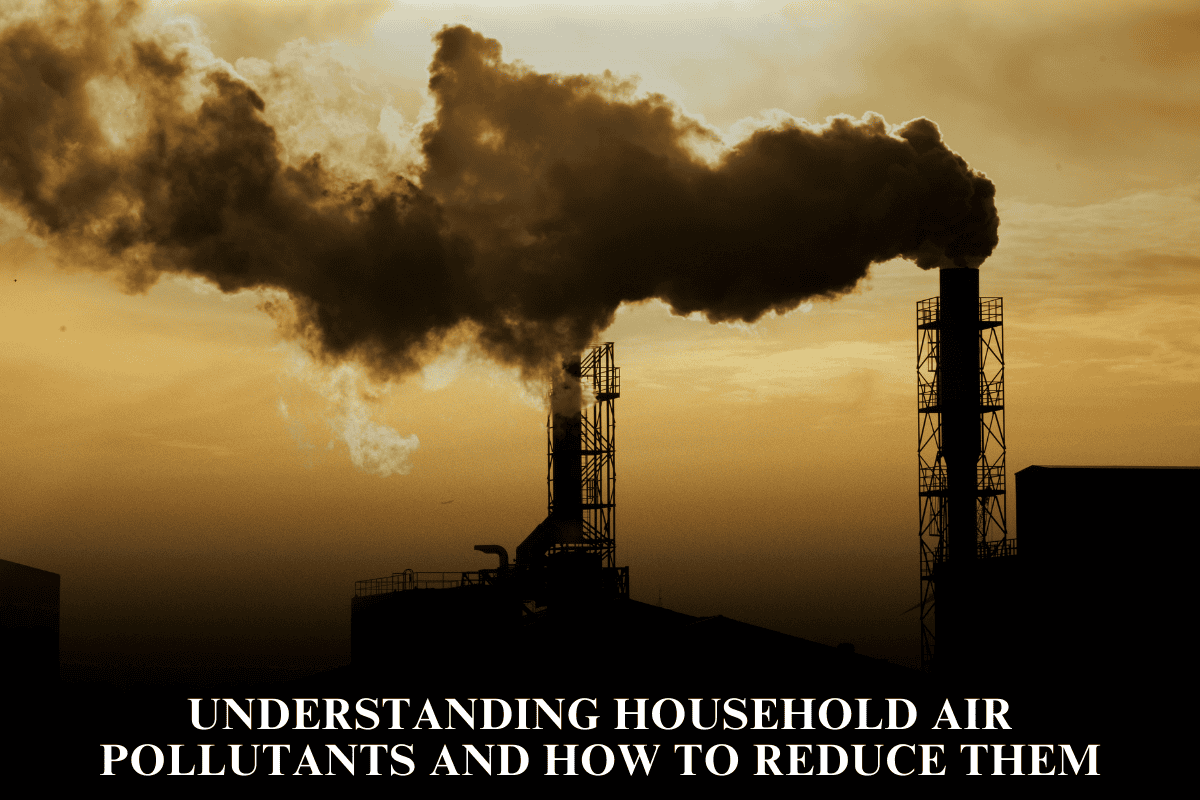
Environmental pollutants such as contaminated water, air pollution, and indoor toxins pose serious risks to health. Vulnerable communities often face greater exposure to pollutants linked to respiratory diseases, cancers, and other conditions.
For instance, studies highlight the dangers of groundwater contamination by arsenic and nitrates and the effects of particulate matter on respiratory health.
These exposures contribute directly to health disparities, with low-income communities bearing a disproportionate burden.
Community empowerment efforts often include education and outreach about these risks, enabling residents to take precautionary and preventative actions.
Outreach programs may also link community members with resources such as home testing and mitigation for carcinogenic indoor pollutants like trichloroethylene (TCE), reducing health risks at the household level.
Building Capacity and Advocacy
Environmental justice initiatives emphasize capacity-building—training community members as leaders who can educate others, advocate for policy change, and represent community interests in political arenas.
Activities include voter education, media communications, coalition-building, and providing testimony at government meetings to influence decisions on environmental health policies.
These sustained, community-driven efforts help dismantle environmental racism and promote equitable access to a safe and healthy environment.
FAQs
What does it mean to empower communities to act on environmental risks?
Empowering communities means equipping residents with knowledge, tools, and organizational support to identify environmental hazards affecting their health and to participate actively in decision-making processes to reduce these risks and promote equity.
How do environmental risks impact health in underserved communities?
Environmental risks such as air and water pollution disproportionately affect underserved communities, leading to higher rates of asthma, cancer, heart disease, and other health problems due to greater exposure and fewer resources to mitigate these hazards.
What role does community-based research play in addressing environmental health issues?
Community-based participatory research involves residents in studying environmental health problems in their communities, ensuring research reflects their lived experiences. This approach supports advocacy and policy efforts grounded in local knowledge and priorities.
Can community empowerment lead to policy changes?
Yes. Empowered communities have successfully influenced local governments to enact policies that reduce environmental hazards, such as phasing out harmful oil drilling operations and improving air and water quality protections.
What resources are available to communities facing environmental health risks?
Resources may include education programs, home testing services for indoor pollutants, legal support for advocacy, coalition networking, and partnerships with public health and environmental agencies to implement solutions.