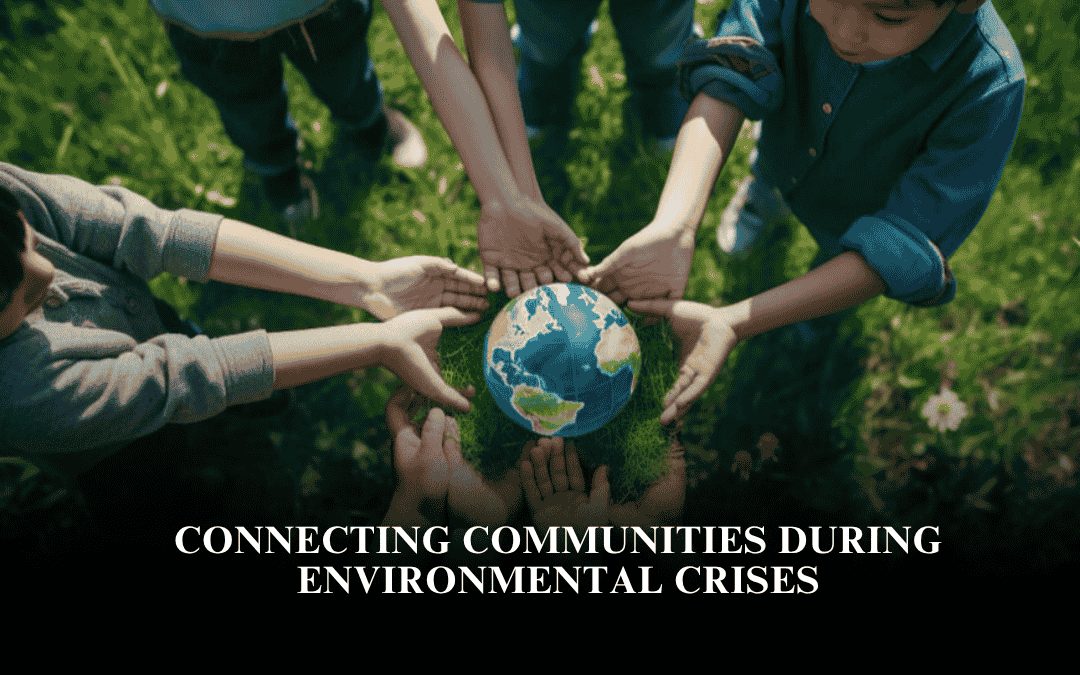
Environmental crises—such as wildfires, hurricanes, floods, and heatwaves—are increasing in frequency and intensity across the United States.
In these challenging times, the strength of community connections can determine how effectively people respond, recover, and rebuild. When communities work together, share information, and support one another, they become more resilient in the face of disaster.
The Importance of Communication in a Crisis
During an environmental emergency, communication can save lives. Local governments, emergency responders, and community leaders must ensure that critical information reaches everyone, including vulnerable populations.
Establishing reliable communication networks—through mobile alerts, social media, community radio, and multilingual broadcasts—helps residents stay informed about evacuation routes, shelters, and safety procedures.
In addition, community organizations and neighborhood associations play a key role in spreading accurate information and countering misinformation. When people trust the sources delivering emergency updates, they are more likely to act quickly and appropriately.
Strengthening Local Networks
Strong local networks are essential for disaster preparedness and recovery. Neighbors who know and support one another can check on elderly residents, share resources, and coordinate transportation during evacuations.
Faith-based groups, nonprofits, and local businesses also contribute by organizing relief efforts, distributing food and supplies, and providing shelter.
In the United States, community emergency response teams (CERT) are a great example of how local residents can be trained to assist first responders. These volunteers help with first aid, light search and rescue, and public safety during crises, ensuring that help reaches people faster.
Technology as a Tool for Connection
Technology has become a powerful ally in connecting communities during environmental disasters. Social media platforms, community apps, and crisis-mapping tools allow people to share real-time updates and locate loved ones.
For example, during wildfires in California or hurricanes along the Gulf Coast, online groups have helped residents find safe evacuation routes and temporary housing.
However, technology must be inclusive. Access to digital resources should extend to rural and low-income areas where internet connectivity is often limited. Investments in broadband infrastructure and public Wi-Fi can make emergency communication more effective and equitable.
Promoting Equity and Inclusion
Environmental crises often hit marginalized communities the hardest. Low-income neighborhoods, communities of color, and people with disabilities may lack the resources to prepare for or recover from disasters.
Building inclusive community networks ensures that no one is left behind. Providing language-access services, accessible transportation, and culturally competent outreach can make emergency response efforts fairer and more effective.
By promoting equity and inclusion, communities can turn crises into opportunities for solidarity and long-term resilience.
Frequently Asked Questions (FAQ)
1. How can communities prepare for environmental crises?
Communities can develop local emergency plans, participate in preparedness training, and establish communication systems that keep all residents informed before, during, and after disasters.
2. What role do volunteers play during disasters?
Volunteers are vital. They assist with evacuations, distribute supplies, support shelters, and help rebuild affected areas. Community-based volunteer networks strengthen overall response capacity.
3. How does technology help in crisis communication?
Technology provides real-time updates, connects people to emergency services, and helps track relief efforts. Tools like social media, apps, and alert systems improve coordination and information sharing.
4. Why is equity important in disaster response?
Ensuring equitable access to resources, information, and aid guarantees that all residents—especially vulnerable groups—receive timely support and protection.
5. How can people get involved in their local community?
Residents can join local emergency response teams, attend preparedness workshops, or volunteer with nonprofits that focus on disaster readiness and recovery.