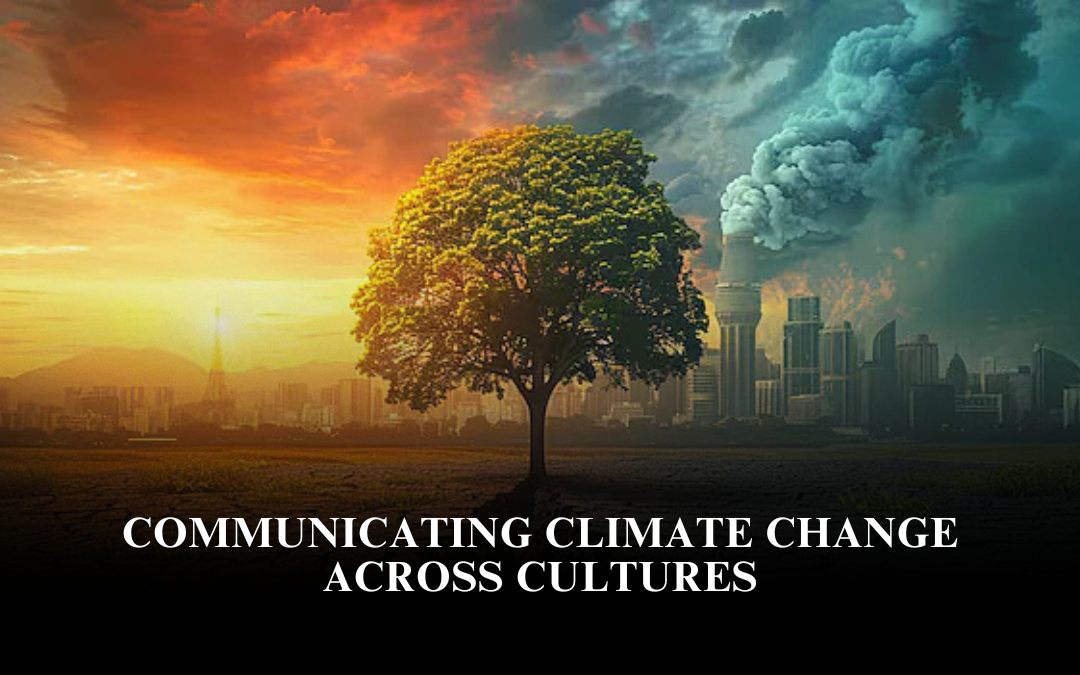
In the diverse cultural landscape of the United States, communicating climate change effectively requires sensitivity to different values, beliefs, and experiences.
Climate change education and communication must resonate across varied communities to foster understanding, motivation, and action while addressing cultural nuances and concerns.
Successful communication helps build collective awareness and empowers communities to contribute to climate solutions.
Cultural Challenges in Climate Communication
Different cultural groups may perceive climate change risks and urgency in diverse ways due to varying worldviews, socio-economic factors, and lived experiences.
For instance, indigenous communities often emphasize respect for nature and stewardship, while urban populations may focus on air quality and health impacts. Climate messaging that ignores cultural context risks misunderstanding, skepticism, or disengagement.
Tailoring messages to cultural norms, languages, and community priorities is essential for acceptance and relevance.
Education as a Bridge
Integrating climate education throughout K-12 and higher education curricula across disciplines fosters shared knowledge and dialogue. States like New Jersey and Connecticut have mandated climate education in multiple subjects to reach diverse student populations.
Education that couples scientific facts with social and emotional learning promotes climate literacy and student agency. Schools can become centers for community engagement, encouraging intergenerational conversations and local climate action.
Messaging Strategies for Diverse Audiences
Effective climate communication across cultures employs inclusive language, respects traditional knowledge, and addresses immediate community concerns such as public health or economic impacts.
Visual storytelling, local examples, and participatory activities enhance engagement. Addressing climate anxiety with hopeful messages and actionable steps helps prevent paralysis and builds resilience.
Role of Technology and Media
Technology and media platforms play vital roles in bridging cultural divides. Social media can amplify diverse voices and grassroots initiatives, while digital tools enable tailored content delivery in multiple languages and formats.
Trusted community leaders and influencers are critical messengers who can frame climate issues in culturally familiar ways, increasing trust and reach.
FAQs
Why is cultural sensitivity important in climate communication?
Cultural sensitivity ensures messages are understood, respected, and relevant, preventing alienation and building trust. It acknowledges diverse perspectives and empowers all communities to engage in climate action.
How do schools help communicate climate change across cultures?
Schools provide structured environments to teach science alongside social, emotional, and cultural contexts. Mandated climate education across subjects and inclusive curricula foster common understanding among students from diverse backgrounds.
How can communication address climate anxiety?
By combining scientific information with hopeful narratives and practical solutions, communicators can empower individuals, especially youth, to act rather than feel helpless. Encouraging community involvement and dialogue also supports mental well-being.
What role do community leaders play in climate communication?
Community leaders, trusted for their cultural knowledge and influence, help translate complex climate science into relatable concepts and motivate local action. Their endorsement can enhance message credibility.
How does technology improve climate communication?
Technology allows personalized, accessible, and multilingual communication. Social media and digital campaigns can reach wide and diverse audiences quickly, fostering awareness and participation.