Air quality is a critical component of environmental health that directly impacts public well-being. As pollution levels and environmental changes intensify globally, understanding how air quality influences health outcomes and exploring innovative solutions becomes increasingly important.
In 2025, advancements in monitoring technologies, policy reforms, and sustainable practices are reshaping how societies manage air quality, ultimately shaping healthier futures for communities worldwide.
The Connection Between Air Quality and Health
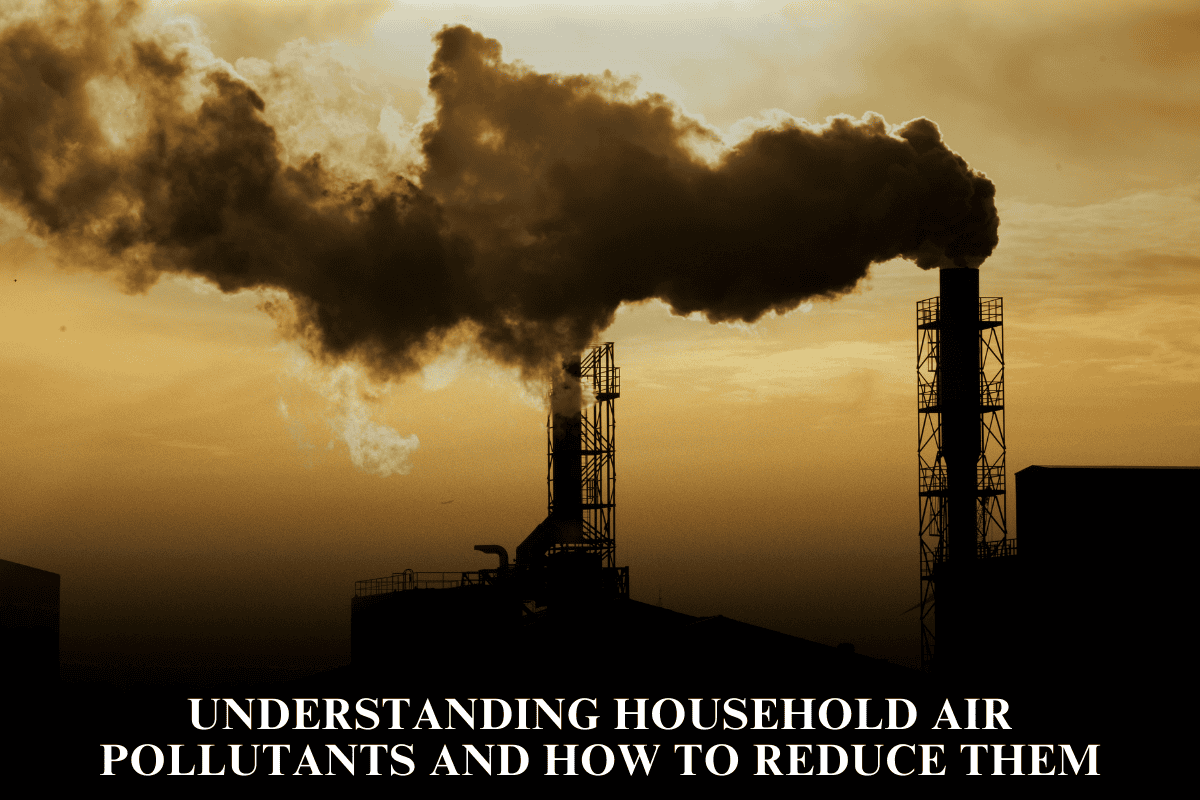
Poor air quality, characterized by elevated levels of pollutants such as particulate matter (PM), nitrogen dioxide (NO2), sulfur dioxide (SO2), and ozone (O3), contributes significantly to respiratory and cardiovascular diseases. Chronic exposure can lead to conditions like asthma, chronic obstructive pulmonary disease (COPD), heart attacks, and stroke.
Vulnerable populations—including children, the elderly, and those with pre-existing conditions—are at heightened risk. Recent studies underscore the correlation between pollutant exposure and increased mortality rates, emphasizing the need for stringent air quality management.
Innovations in Air Quality Monitoring
Technological advancements have revolutionized how we monitor air quality in real-time and across diverse geographical areas. Low-cost, portable sensors now enable community-led monitoring efforts, providing granular data that was previously unavailable. Satellite-based remote sensing offers comprehensive coverage, detecting pollution patterns on a global scale.
Data integration platforms utilize artificial intelligence (AI) to analyze vast datasets, predicting pollution episodes and informing timely interventions. These innovations facilitate targeted policy responses and empower communities to advocate for cleaner air practices.
Policy and Regulatory Strategies
Governments worldwide are adopting stricter regulations to reduce emissions from industrial, transportation, and energy sectors. Policies promoting renewable energy adoption, electric vehicles, and sustainable urban planning are significantly decreasing pollutant levels.
Air quality standards are being reinforced with regular updates based on the latest scientific evidence. International collaborations aim to tackle transboundary pollution, while urban planning promotes green spaces and low-emission zones. These measures collectively foster healthier environments, reducing public health burdens and improving quality of life.
Sustainable Practices for Better Air
In addition to policy reforms, sustainable practices at individual, community, and corporate levels contribute to improved air quality. Promoting green transportation options like cycling, walking, and public transit reduces vehicular emissions. Urban green infrastructure—such as trees, parks, and green roofs—acts as natural air filters, capturing pollutants and providing cooling effects.
Industries are adopting cleaner technologies, and renewable energy sources minimize reliance on fossil fuels. Public awareness campaigns educate citizens about pollution sources and encourage environmentally responsible behaviors, fostering a collective approach to environmental health.
FAQs
How does air pollution specifically affect vulnerable populations?
Vulnerable groups such as children, the elderly, and those with pre-existing health conditions are more susceptible to the adverse effects of air pollution, experiencing higher risks of respiratory illnesses, developmental issues, and premature death due to their increased sensitivity and exposure levels.
What are some current technologies used to monitor air quality?
Recent innovations include low-cost portable sensors for community use, satellite remote sensing for large-scale monitoring, and AI-driven data platforms that analyze pollution patterns and forecast episodes, enabling proactive measures.
Can individual actions significantly impact air quality?
Yes, personal choices like using public transportation, reducing vehicle use, conserving energy, and supporting eco-friendly products can collectively reduce emissions. Urban green practices and community initiatives also play vital roles in improving local air quality.
What global strategies are being implemented to combat air pollution?
International efforts focus on tightening emission standards, transitioning to renewable energy, fostering cross-border cooperation, and integrating air quality management into climate strategies, all of which aim to significantly cut pollution levels and protect public health.