Children face heightened vulnerability to environmental health risks due to developing bodies, faster breathing rates, and behaviors like hand-to-mouth activity that increase toxin intake. Common threats include air pollution triggering asthma, lead causing cognitive delays, and mold worsening allergies in schools and homes. Proactive measures in schools, homes, and communities can mitigate these dangers, safeguarding growth and learning.
Key Risks in Schools and Homes
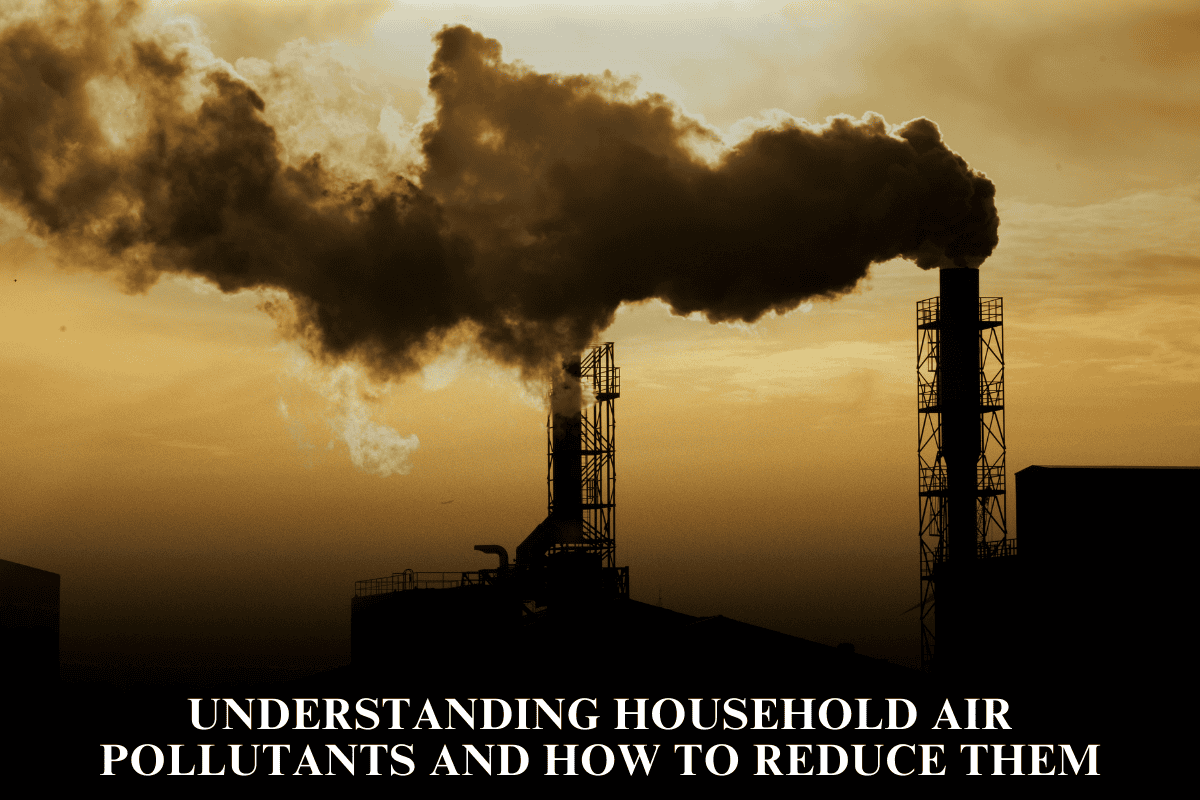
Schools harbor asbestos, PCBs, mercury from bulbs, radon, and poor indoor air from mold or VOCs in cleaners. Air pollution near playgrounds—exacerbated by traffic—raises PM2.5 exposure during drop-offs, while extreme heat strains immature thermoregulation. Water contamination with lead from old pipes affects millions, linking to lowered IQ and hyperactivity.
Protective Strategies for Families
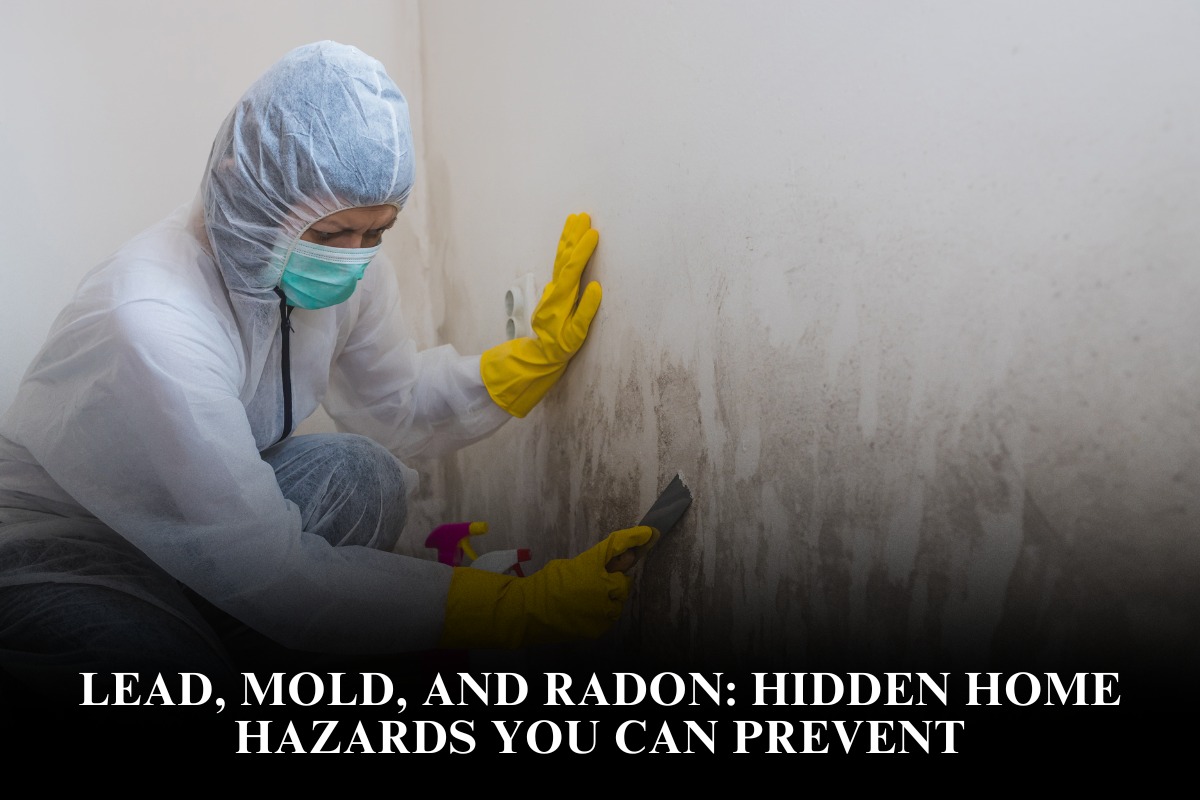
Maintain indoor air by venting bathrooms, using HEPA filters, and low-VOC products; fix leaks promptly to prevent mold. Test home water for lead, filter if needed, and encourage handwashing to reduce soil ingestion. Limit outdoor play on high-pollution days via apps tracking AQI, and apply broad-spectrum sunscreen for UV protection.
School and Community Actions
Schools should implement Integrated Pest Management (IPM) to cut pesticides, upgrade HVAC for ventilation, and test for radon/lead routinely. Design playgrounds away from roads with green barriers, and educate on wildfire smoke avoidance. Policies like EPA grants fund lead testing in drinking fountains.
Long-Term Policy Advocacy
Communities push for stricter emissions near child-centric sites, green school retrofits, and climate-resilient designs. Global efforts emphasize child-specific air quality standards, recognizing prenatal and adolescent vulnerabilities.
These steps create safer environments, reducing chronic diseases and boosting well-being.
FAQ
Why are children more vulnerable?
Developing organs, higher pollutant intake per body weight, and hand-to-mouth behaviors amplify risks.
What school contaminants pose biggest threats?
Asbestos, lead in water, mold, radon, and poor IAQ from VOCs/pesticides.
How to improve home indoor air?
Use exhaust fans, HEPA filters, low-VOC cleaners, and control moisture to prevent mold.
Steps for lead prevention?
Test water/paint, use certified filters, and clean dust regularly.
Protecting from air pollution?
Check AQI apps, avoid peak traffic hours, and use N95 masks during poor air events.