Our community health programs are dedicated to promoting wellness for everyone by providing comprehensive, accessible, and culturally sensitive services that address physical, mental, and social well-being. These programs empower individuals and families to lead healthier lives through education, prevention, and support tailored to community needs.
Core Features of Our Community Health Programs
- Holistic Approach:
Programs integrate physical health, mental wellness, nutrition, fitness, and preventive care to address the whole person and promote sustainable healthy lifestyles. - Accessibility and Inclusivity:
Services are designed to reach underserved and diverse populations, providing language support, transportation assistance, and flexible scheduling to reduce barriers. - Health Education and Promotion:
Workshops, seminars, and outreach initiatives increase awareness about chronic disease prevention, healthy eating, exercise, stress management, and substance abuse prevention. - Screenings and Preventive Services:
Regular health screenings for diabetes, hypertension, cancer, and vaccinations are offered alongside guidance on early detection and intervention. - Community Engagement and Empowerment:
Programs involve community leaders and members in planning and delivery, fostering trust and participation. Peer support and culturally relevant resources enhance effectiveness. - Mental Health Support:
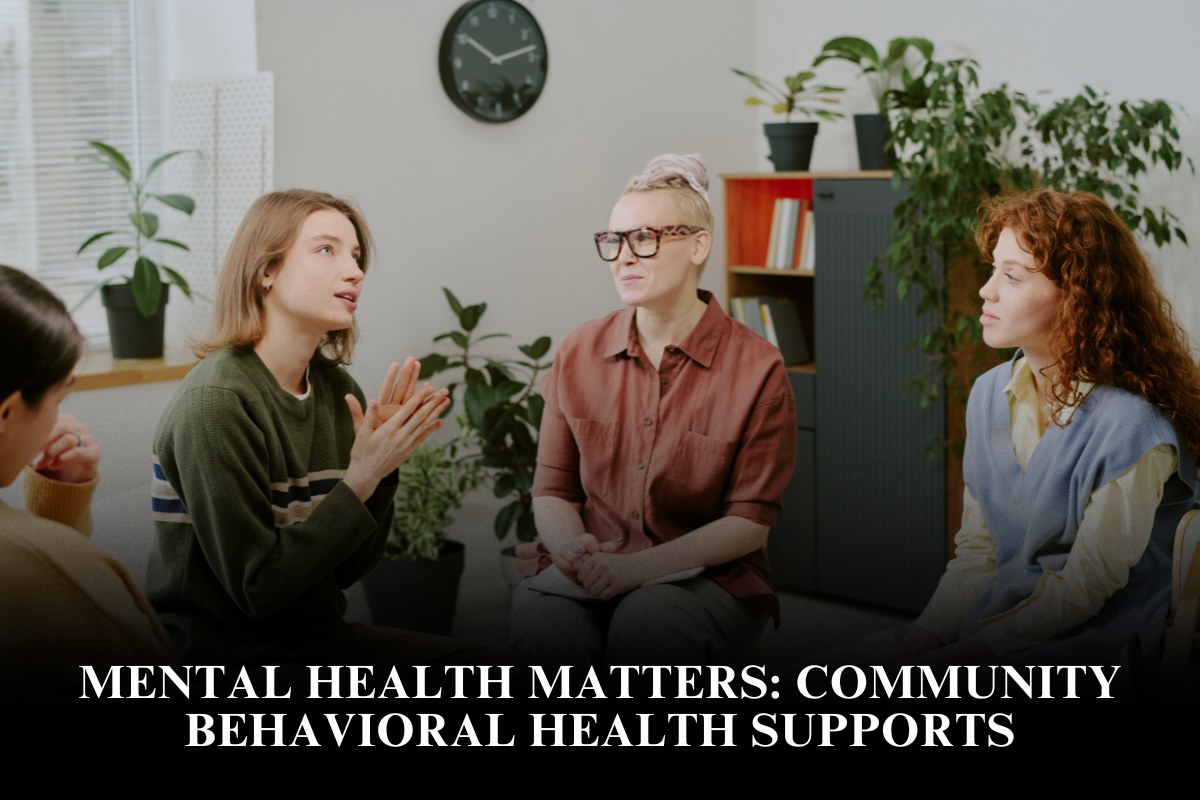
Services include counseling, stress reduction, trauma-informed care, and wellness activities like yoga and meditation to address emotional and psychological needs. - Fitness and Nutrition Initiatives:
Physical activity programs and nutritional counseling are embedded to improve lifestyle choices and combat obesity and related conditions.
FAQ: Community Health Programs
Q: Who can access community health programs?
A: They are designed for all community members, especially those with limited access to healthcare, ensuring inclusivity and equity.
Q: How do community health programs improve wellness?
A: By combining education, prevention, screenings, and support services, they empower individuals to manage their health proactively.
Q: What makes these programs culturally sensitive?
A: They tailor content and delivery methods to respect diverse languages, traditions, and social contexts.