In the United States, medical interpreters play a vital role in bridging language barriers between healthcare providers and patients with limited English proficiency (LEP). These professionals ensure that families receive clear, accurate, and culturally sensitive communication during critical moments in healthcare, helping to improve outcomes and patient satisfaction.
Importance of Medical Interpreters in Family Health
With over 21% of U.S. residents speaking a language other than English at home and nearly 1 in 10 adults facing challenges with English proficiency, communication gaps in healthcare are significant.
Medical interpreters facilitate understanding during doctor visits, helping families grasp diagnoses, treatment options, and care plans.
They protect patients from dangerous misunderstandings, such as incorrect medication use or missed symptoms, which can lead to serious health consequences.
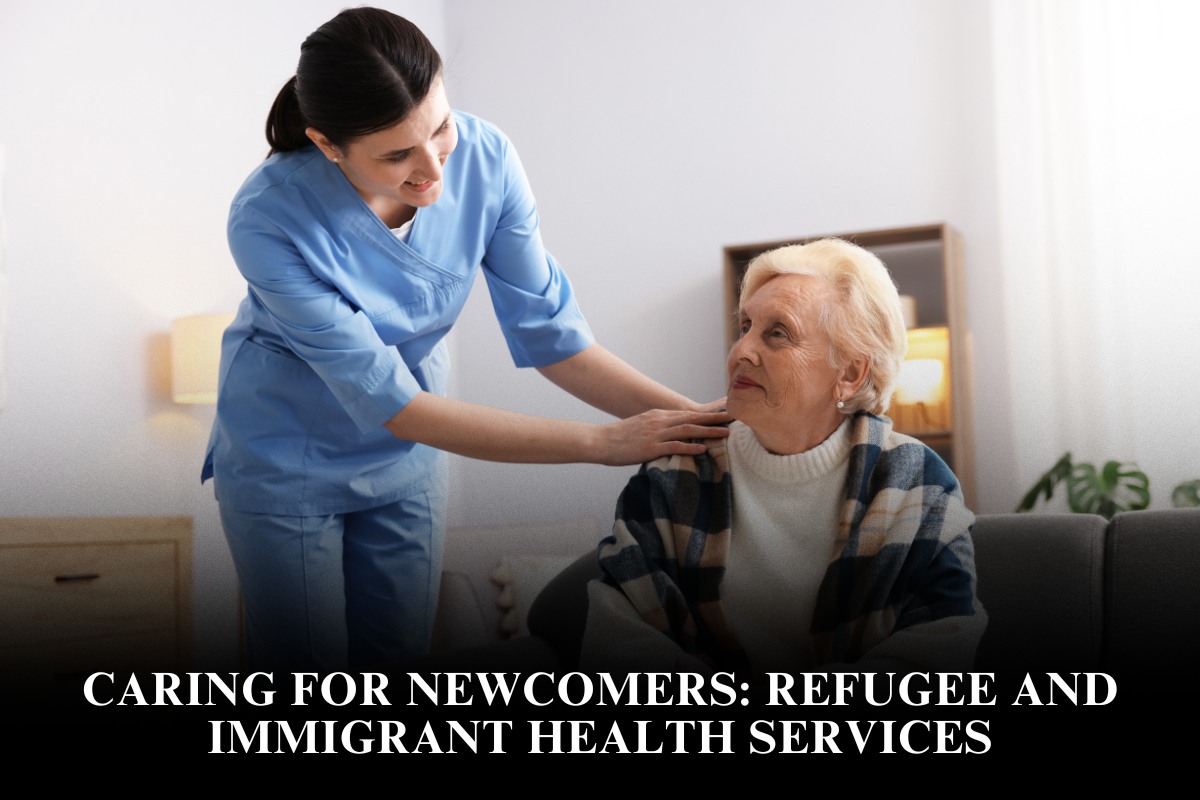
Interpreters also provide emotional support by conveying empathy and compassion from healthcare workers to families, which is crucial during sensitive conversations about chronic illness, end-of-life care, or complex procedures. Their cultural knowledge enhances trust and reduces anxiety for patients and caregivers alike.
Modes and Scope of Interpretation
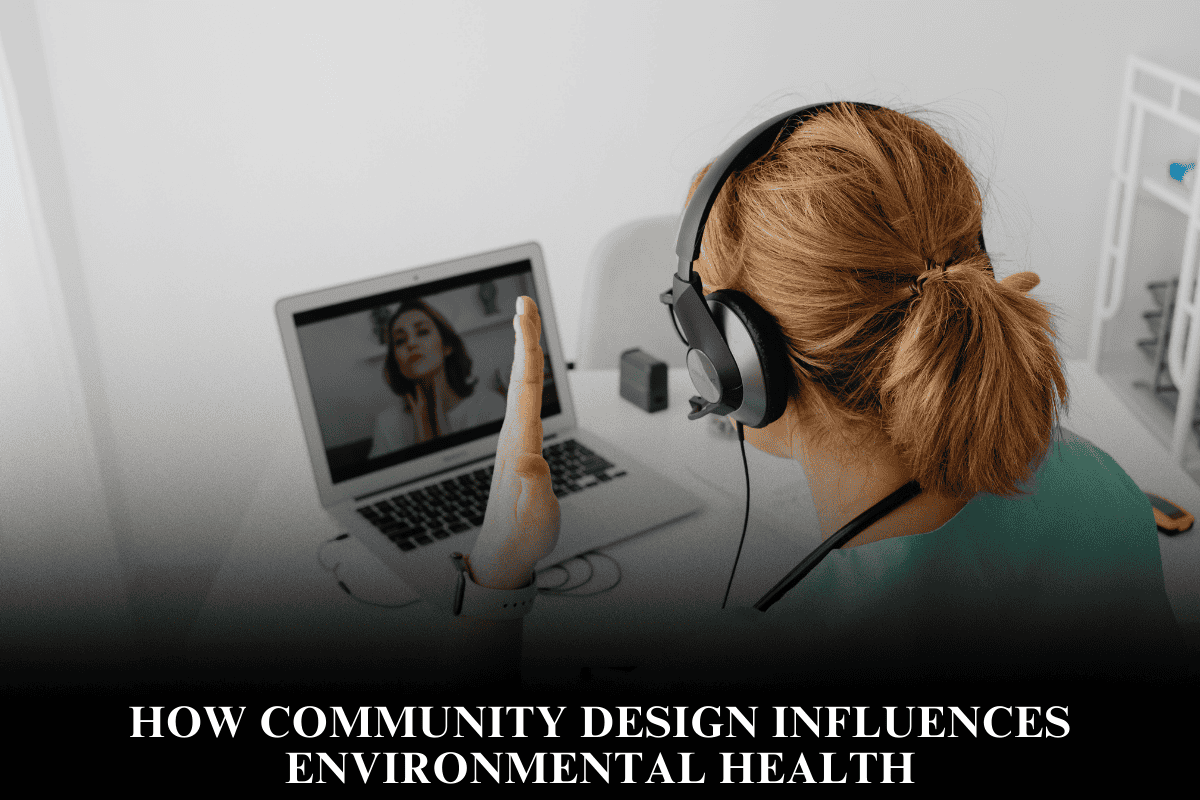
Interpreters work face-to-face with patients and providers, but also use telephonic and video remote interpreting to reach underserved populations, especially in rural areas or for less common languages.
They often assist beyond literal translation, offering sight translation of documents and cultural insights that help families make informed healthcare decisions.
The profession requires specialized training covering medical terminology, ethical protocols, and confidentiality. Certified interpreters help healthcare teams comply with legal mandates like the Civil Rights Act, which requires meaningful access to care for LEP patients.
Challenges and Growing Demand
Despite their critical role, there is a shortage of qualified interpreters for many languages and dialects in the US, notably in immigrant communities with less commonly spoken languages.
Financial and educational barriers deter some potential interpreters from certification programs, compounding the shortage. The growing diversity of the US population ensures that demand for skilled medical interpreters will continue to rise rapidly.
The US Bureau of Labor Statistics projects a 20% growth in interpreter jobs from 2019 to 2029, faster than average for other occupations.
Investing in interpreter training and expanding access to interpretation services is essential to achieve equitable healthcare. This will strengthen family health outcomes by fostering clear communication, shared decision-making, and respect for cultural differences.
FAQs
What is the role of medical interpreters in family health?
Medical interpreters facilitate accurate communication between healthcare providers and patients with limited English proficiency, ensuring that families understand medical information and can participate fully in care decisions.
How do interpreters communicate with families and providers?
Interpreters often work face-to-face, but may also provide services via phone or video technology. They translate spoken language, sight translate documents, and offer cultural context to bridge communication gaps.
Why is professional interpreter training important?
Training equips interpreters with medical terminology knowledge and ethical standards, reduces errors, and helps healthcare providers comply with legal requirements for language access.
What challenges affect access to medical interpreters?
There is a shortage of qualified interpreters for many minority languages due to limited training resources and financial barriers, especially affecting immigrant families with rare dialects.
How is demand for medical interpreters changing?
Demand is growing rapidly as the US population becomes more linguistically diverse, with an expected 20% job growth for interpreters over the next decade.