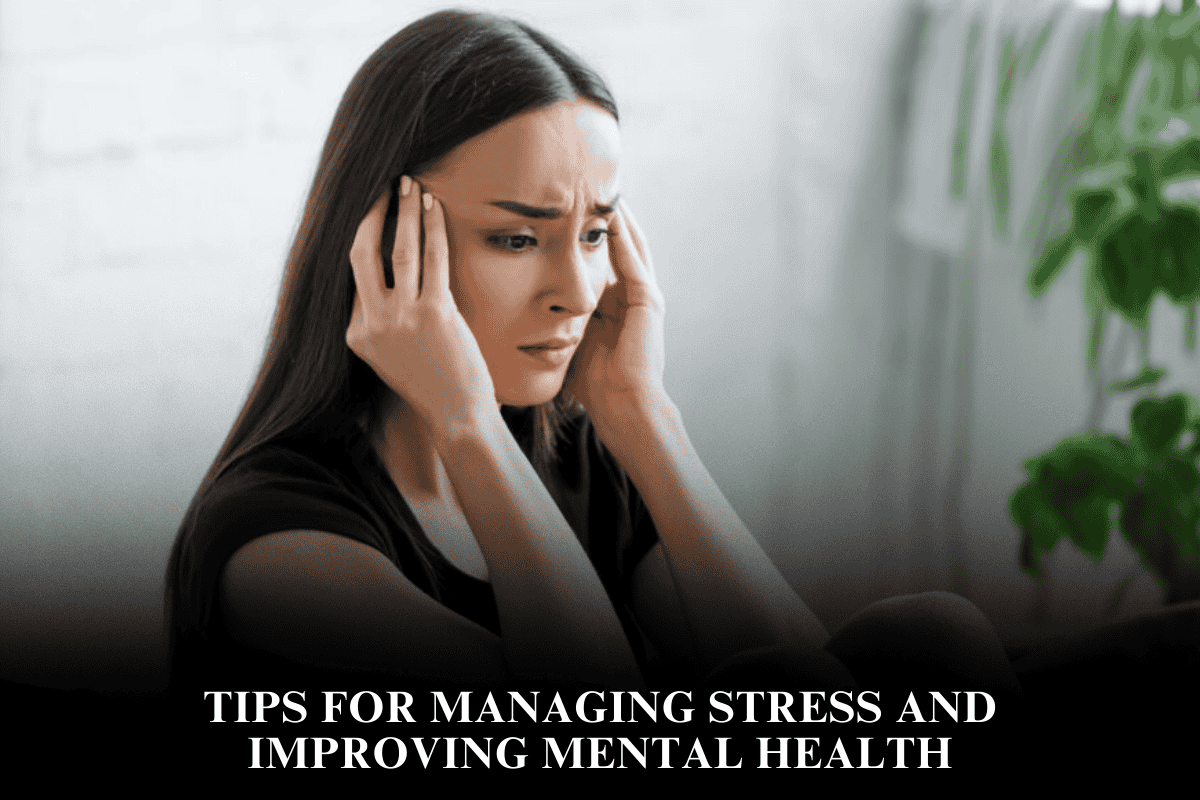
Managing stress effectively and improving mental health are essential for overall well-being, productivity, and quality of life. Implementing practical strategies can help individuals better cope with stressors, maintain emotional balance, and foster resilience.
Tips for Managing Stress and Improving Mental Health
Proven Stress Management Techniques
- Mindfulness and Meditation: Practicing mindfulness meditation or deep breathing helps calm the mind and body, reducing anxiety and improving sleep quality. Techniques like guided imagery and yoga activate the body’s relaxation response, countering stress reactions.
- Regular Physical Activity: Exercise releases endorphins and neurotransmitters that enhance mood, reduce tension, and support mental resilience. Activities can range from brisk walking to yoga or formal workout routines.
- Structured Relaxation Techniques: Progressive muscle relaxation, diaphragmatic breathing, and autogenic training help regulate physical stress responses and promote deep rest.
- Prioritize Sleep and Nutrition: Adequate restful sleep and a balanced diet reduce stress vulnerability and support brain health. Limiting alcohol, caffeine, and nicotine improves emotional regulation.
- Social Connection and Support: Spending time with family, friends, or support groups provides emotional buffering, reduces feelings of isolation, and fosters positive coping.
- Time Management and Boundaries: Organizing tasks, setting realistic goals, and learning to say no limit overwhelm and increase a sense of control.
- Seek Professional Help if Needed: Therapy, counseling, or medical support can provide tailored strategies, particularly for chronic stress or mental health conditions.
FAQ
What are the best quick stress relief techniques?
Mindfulness meditation, deep breathing exercises, laughter, and physical activity can provide immediate calming effects.
How does exercise help mental health?
Exercise produces mood-boosting chemicals, improves sleep, reduces anxiety, and increases self-esteem.
Can diet affect stress levels?
Yes, balanced nutrition supports brain function and mood regulation, while excessive caffeine or alcohol can worsen stress.
How important is social support for stress management?
Strong social connections help buffer stress, provide practical help, and improve emotional well-being.
When should someone seek professional help for stress?
If stress symptoms persist or interfere with daily life, professional counseling or therapy is recommended.