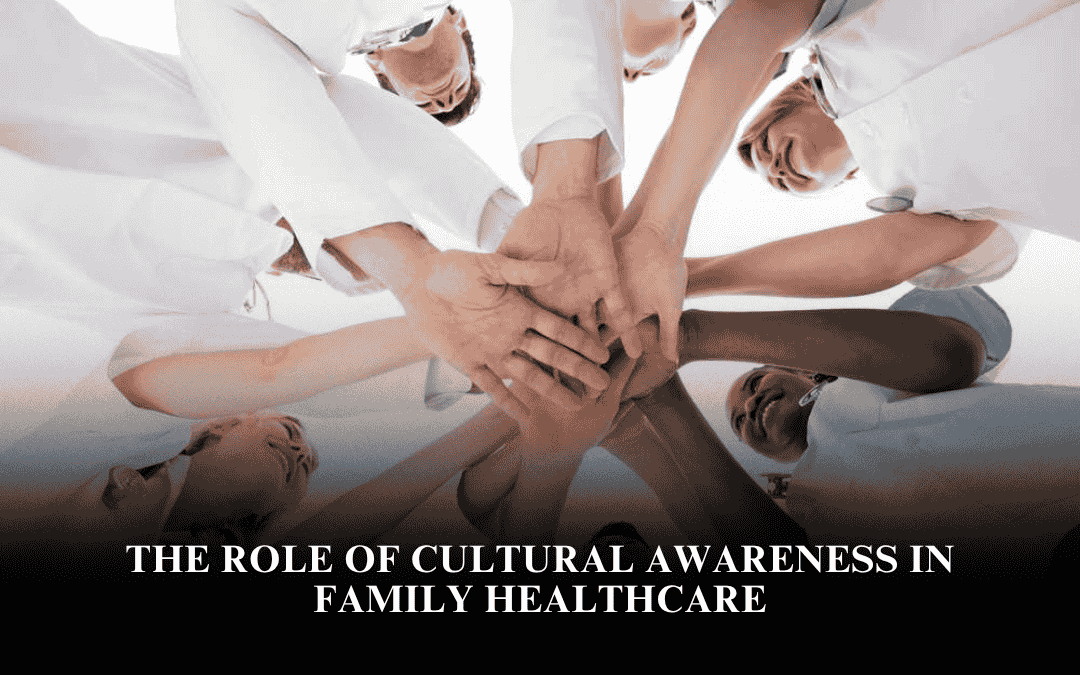
In today’s multicultural society, cultural awareness is a vital aspect of providing effective and compassionate family healthcare. Families in the United States come from diverse ethnic, linguistic, and religious backgrounds, each with unique beliefs and practices related to health, wellness, and medical care.
Understanding and respecting these cultural differences allow healthcare providers to build stronger relationships, improve communication, and deliver care that meets the needs of every family member.
Understanding Cultural Awareness in Healthcare
Cultural awareness refers to recognizing and appreciating the values, traditions, and behaviors that shape how individuals view health and illness. In family healthcare, this understanding helps providers adapt their approach when caring for patients from different backgrounds.
For example, beliefs about diet, childbirth, end-of-life care, or mental health can vary significantly among cultures. A culturally aware healthcare provider takes these perspectives into account, ensuring that care plans align with patients’ beliefs and preferences.
Improving Communication and Trust
Effective communication is the foundation of successful family healthcare. When providers acknowledge cultural and language differences, families feel respected and understood. Using culturally appropriate language, professional interpreters, and nonverbal sensitivity can help overcome communication barriers.
Trust is built when families see that healthcare professionals value their cultural identity and include them in decision-making processes. This trust leads to higher patient satisfaction, better treatment adherence, and more positive health outcomes.
Addressing Health Disparities
Cultural awareness plays an essential role in reducing health disparities among diverse populations. Many families from minority or immigrant communities may face challenges accessing care due to language barriers, financial limitations, or mistrust of the healthcare system.
By incorporating cultural competence training and inclusive policies, healthcare organizations can better serve these communities. This approach promotes health equity, ensuring all families—regardless of background—receive fair and compassionate care.
Enhancing Family-Centered Care
Family healthcare focuses not just on the individual but on the entire family unit. Cultural values often influence family dynamics and decision-making in medical situations. For instance, in some cultures, elders or male members are responsible for making health decisions, while in others, collaborative choices are emphasized.
Understanding these cultural norms helps healthcare professionals engage families more effectively and respect their preferred structures of authority and support.
Training Healthcare Providers in Cultural Competence
Healthcare systems across the U.S. increasingly invest in cultural competence training for doctors, nurses, and support staff. These programs teach providers how to recognize bias, understand cultural health practices, and communicate with empathy.
When cultural awareness becomes part of the hospital or clinic’s daily operations, it leads to better teamwork, stronger patient relationships, and more inclusive care environments.
Frequently Asked Questions (FAQ)
1. What is cultural awareness in healthcare?
Cultural awareness is the understanding and appreciation of cultural differences that influence how patients and families perceive health, illness, and treatment.
2. Why is cultural awareness important in family healthcare?
It ensures that medical care is respectful, inclusive, and aligned with patients’ cultural values, leading to better communication and outcomes.
3. How can healthcare providers show cultural awareness?
By listening without judgment, learning about different cultural beliefs, using interpreters when needed, and adapting care plans to meet diverse needs.
4. What are the benefits of culturally aware healthcare?
It builds trust, reduces health disparities, improves patient satisfaction, and enhances the overall quality of care.
5. How can hospitals promote cultural competence?
Hospitals can offer staff training, hire diverse teams, provide multilingual resources, and encourage open dialogue about cultural differences.