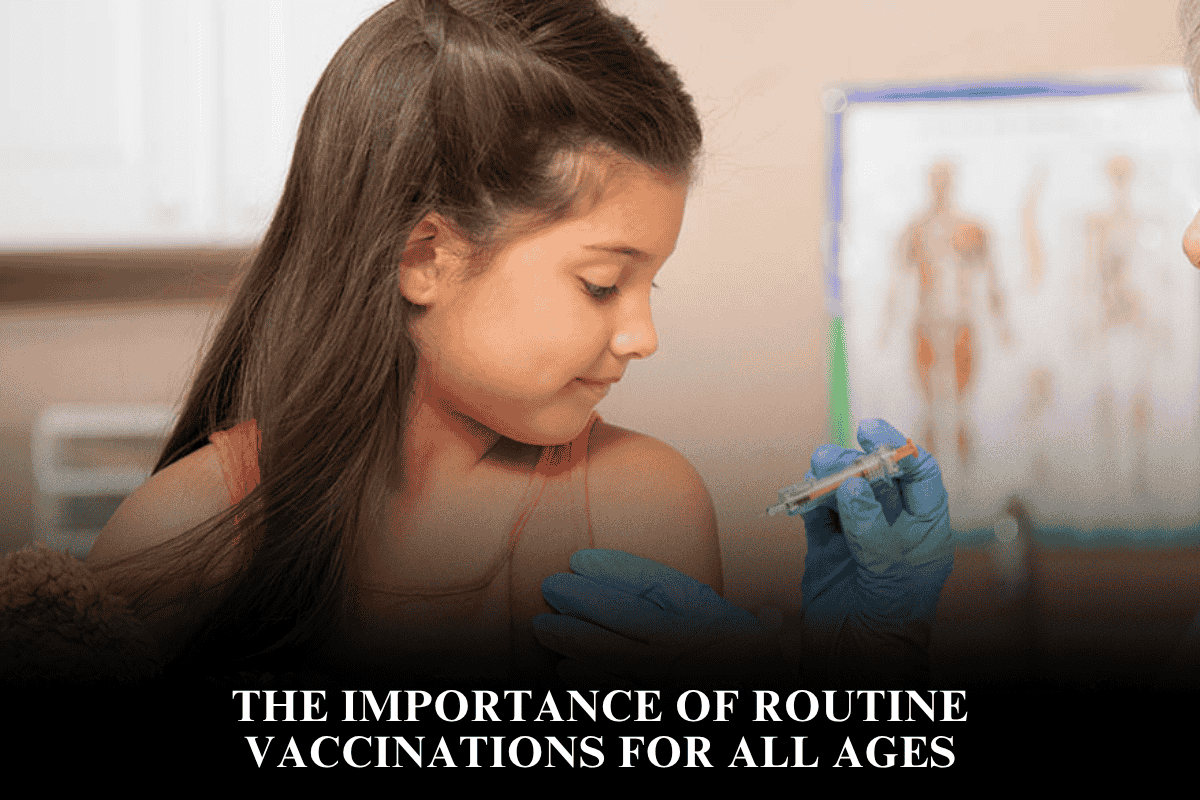
Routine vaccinations are essential for protecting individuals and communities from numerous infectious diseases. Vaccines save millions of lives annually, reduce the burden of preventable illnesses, and contribute to overall public health and safety.
Why Routine Vaccinations Matter
- Prevent Serious Diseases:
Vaccinations protect against over 30 life-threatening diseases including measles, tetanus, diphtheria, whooping cough, influenza, HPV, and COVID-19. These vaccines reduce illness, hospitalization, and death across all age groups. - Protect Vulnerable Populations:
Vaccinating yourself and your family protects those who cannot be vaccinated, such as infants, elderly people, and immunocompromised individuals, through herd immunity. - Lifelong Protection with Boosters:
Immunity from vaccines may wane over time, so adults need boosters to maintain protection, like Td/Tdap every 10 years, annual flu shots, and shingles vaccines after age 50. - Reduce Healthcare Costs and Disruptions:
Preventing vaccine-preventable diseases lowers medical expenses, hospital stays, lost wages, and burdens on health systems, contributing to economic productivity. - Positive Social and Cognitive Impact:
Vaccinations reduce infections that can impair child development, cognition, and school attendance, promoting long-term health and educational outcomes. - Safe and Monitored:
Vaccines undergo rigorous testing for safety and effectiveness and are continuously monitored for side effects, ensuring public trust and health security.
FAQs
Q1: Are vaccines necessary for adults?
A1: Yes, adults need vaccines to maintain immunity and protect against diseases such as influenza, tetanus, shingles, and COVID-19.
Q2: How do vaccines protect the community?
A2: Vaccination provides herd immunity, preventing spread to those who cannot be vaccinated due to health reasons.
Q3: Are vaccines safe for children?
A3: Vaccines are extensively tested and safe, preventing millions of childhood illnesses and deaths globally.
Q4: What happens if someone skips vaccines?
A4: They risk contracting and spreading preventable diseases, which can cause severe illness or death.
Q5: Why are booster shots important?
A5: Boosters maintain long-term immunity as protection may decrease over time