In today’s digital age, healthcare delivery is rapidly evolving. Telehealth—using digital communication tools to provide healthcare remotely—has become an essential part of modern medicine.
However, language barriers remain a major challenge for patients with limited English proficiency (LEP). Integrating professional interpretation services into telehealth platforms ensures equitable, accessible, and effective care for all patients, regardless of language or location.
The Rise of Telehealth in Modern Healthcare
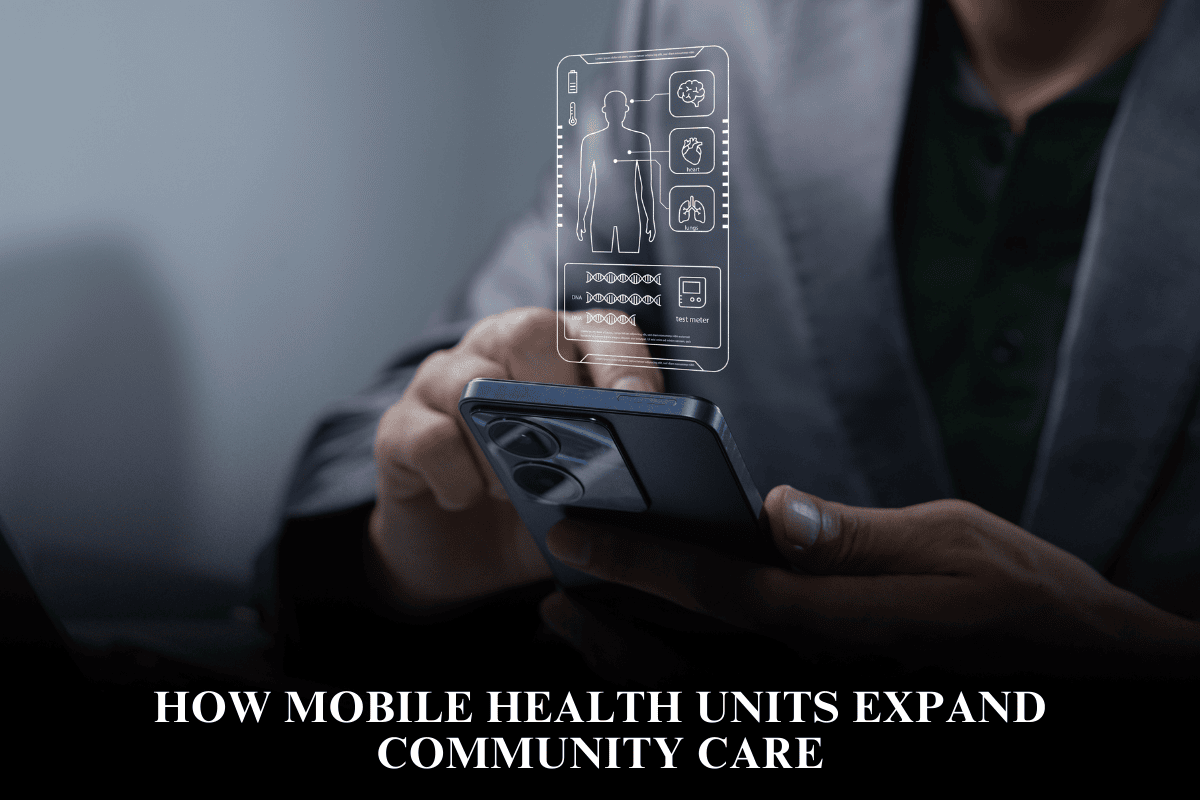
Telehealth has transformed the way patients access medical care. Especially in the United States, where rural areas and underserved communities often face shortages of healthcare providers, virtual visits help close the gap.
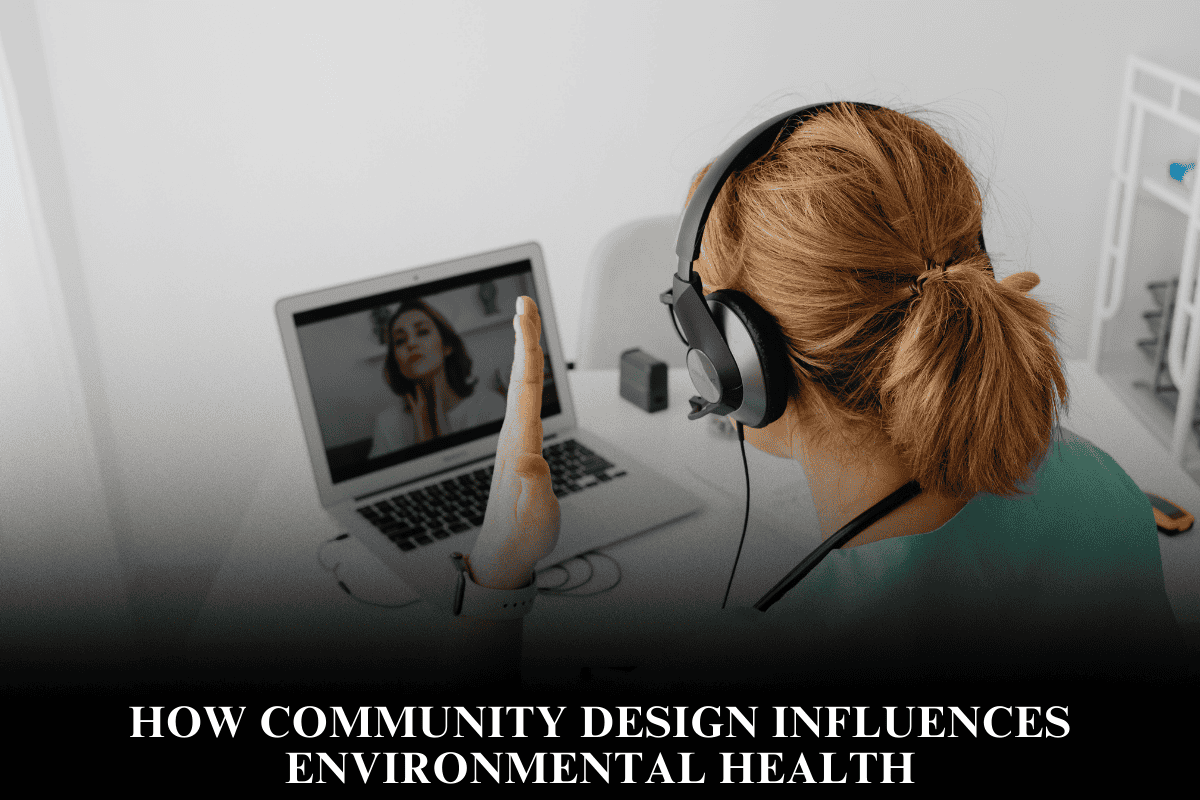
Patients can now connect with doctors via video calls, mobile apps, or secure messaging platforms from the comfort of their homes. This convenience saves time, reduces travel costs, and improves access to specialists.
However, without proper language support, telehealth can unintentionally exclude non-English-speaking patients.
The Role of Interpretation in Telehealth
Language interpretation ensures clear communication between healthcare providers and patients during virtual visits. Professional interpreters—either on-screen or via audio—help convey complex medical information accurately.
Many telehealth platforms now integrate video remote interpreting (VRI) and phone interpreting (OPI) services directly into their systems, allowing patients to receive care in their preferred language.
When interpreters are involved, providers can better understand patient symptoms, medical history, and concerns, while patients can follow instructions confidently. This leads to more accurate diagnoses, higher patient satisfaction, and better adherence to treatment plans.
Overcoming Barriers in Remote Communication
Telehealth interpretation not only addresses language barriers but also cultural ones. Certified medical interpreters are trained to handle sensitive cultural nuances that can impact communication.
Additionally, technological advances have made remote interpretation more efficient and accessible. Even in areas with limited internet connectivity, phone-based interpretation ensures no patient is left behind.
By combining telehealth with interpretation services, hospitals and clinics can expand their reach to multilingual populations, including refugees, immigrants, and rural patients. This integration helps ensure equity in healthcare—no matter where patients live or what language they speak.
Benefits for Providers and Patients
For healthcare providers, telehealth interpretation reduces errors, enhances trust, and improves compliance with federal language access requirements such as Title VI of the Civil Rights Act and Section 1557 of the Affordable Care Act.
For patients, it creates a safe space to communicate openly, ask questions, and make informed decisions about their health. Ultimately, this partnership between technology and language access promotes inclusivity and quality care.
Frequently Asked Questions (FAQ)
1. What is telehealth interpretation?
Telehealth interpretation involves providing language translation or interpretation services during virtual medical appointments to help patients and providers communicate effectively.
2. How does it work?
Interpreters join the virtual session via phone or video, translating between the patient and provider in real time to ensure clear understanding on both sides.
3. Why is interpretation important in telehealth?
Without interpreters, patients with limited English proficiency may struggle to describe symptoms or understand treatment instructions, leading to miscommunication and medical errors.
4. Is telehealth interpretation secure?
Yes. Most telehealth platforms use encrypted, HIPAA-compliant systems to ensure that patient information remains private and secure.
5. Who benefits from telehealth interpretation?
Both patients and healthcare providers benefit. Patients receive safe, equitable care in their preferred language, while providers can deliver accurate diagnoses and build stronger patient relationships.