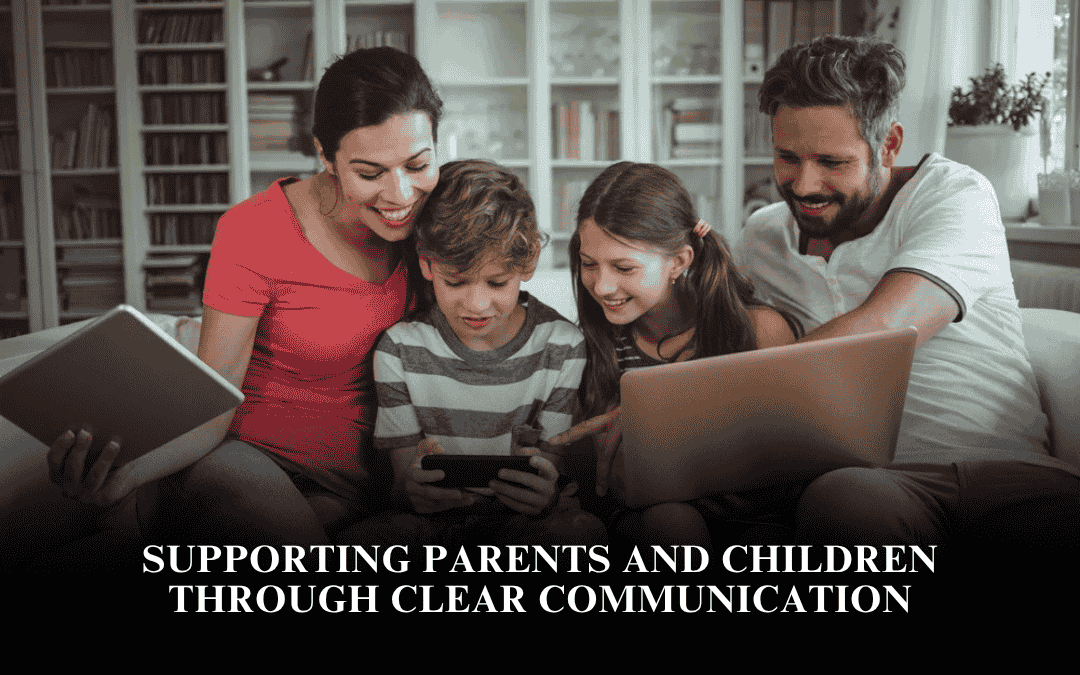
Clear communication is the foundation of strong relationships, especially between parents and children. In today’s fast-paced and often stressful world, misunderstandings can easily occur, leading to frustration, conflict, and emotional distance.
Whether at home, school, or in healthcare settings, effective communication helps parents better understand their children’s needs and fosters trust, confidence, and emotional well-being.
Building Trust Through Open Dialogue
Trust is the cornerstone of any parent-child relationship. When parents communicate openly and listen actively, children feel heard and valued. This encourages them to express their feelings honestly and seek guidance without fear of judgment.
Simple gestures such as maintaining eye contact, using kind tones, and validating a child’s emotions go a long way in strengthening the bond between parent and child. Open dialogue helps children build self-esteem and learn how to communicate respectfully and effectively with others.
Promoting Emotional Understanding
Children often struggle to express complex emotions like fear, sadness, or anxiety. Through clear communication, parents can help children label their feelings and understand that emotions are normal and manageable.
Active listening—without interrupting or dismissing—creates a safe environment for children to share their thoughts. When parents respond with empathy and patience, they teach children valuable emotional regulation skills. Over time, this promotes resilience, confidence, and emotional intelligence.
Strengthening Parent-Teacher Partnerships
Clear communication is equally vital between parents and educators. When teachers and parents collaborate effectively, children benefit from consistent expectations and support both at home and in school.
Regular updates about academic progress, behavior, and social development help parents stay involved and engaged. Schools that maintain open lines of communication—through meetings, emails, or parent portals—create a supportive environment that fosters every child’s growth and success.
Improving Healthcare Experiences for Families
In healthcare settings, clear communication between parents, children, and medical professionals is essential for effective care. Parents rely on accurate information to make informed decisions about their child’s health.
Doctors and nurses who take the time to explain medical terms in plain language reduce anxiety and build trust. For children, age-appropriate explanations and reassurance help them feel safe and cooperative during visits.
Hospitals and clinics that prioritize communication empower families and improve overall satisfaction.
Encouraging Positive Behavior and Conflict Resolution
Miscommunication is a common cause of conflict in families. Clear, calm, and consistent communication helps prevent misunderstandings and encourages positive behavior. Parents who set clear boundaries and explain the reasons behind rules foster respect and cooperation.
Instead of punishment, guiding conversations focused on empathy and understanding teach children how to take responsibility for their actions and develop problem-solving skills.
Frequently Asked Questions (FAQ)
1. Why is clear communication important for parents and children?
It helps build trust, understanding, and emotional security, creating a strong foundation for healthy relationships.
2. How can parents improve communication with their children?
Parents can listen actively, speak calmly, validate emotions, and create regular opportunities for open conversations.
3. What role does communication play in child development?
Effective communication supports emotional growth, cognitive development, and social skills, shaping a child’s ability to express themselves confidently.
4. How can teachers and parents communicate better?
By maintaining regular contact, sharing feedback respectfully, and working together to support the child’s learning and behavior.
5. What are common barriers to clear communication?
Stress, lack of time, emotional distance, or using language children don’t understand can all create communication gaps that need attention.