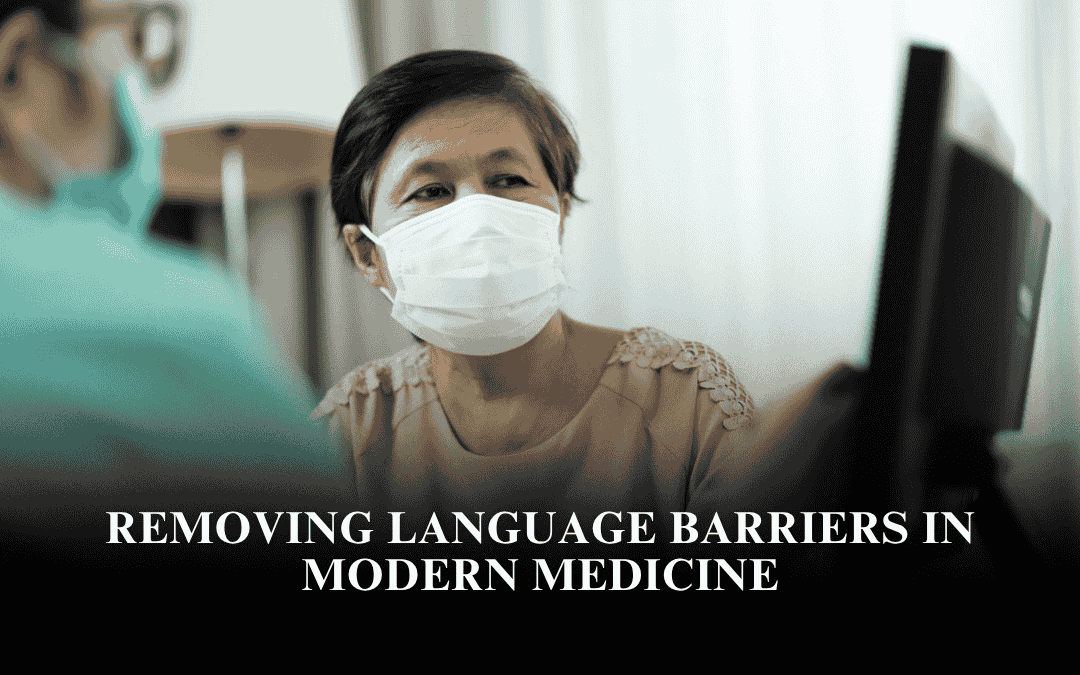
In the diverse and multilingual society of the United States, language barriers pose a significant challenge in healthcare delivery. Patients with limited English proficiency (LEP) often face difficulties communicating with providers, leading to compromised care quality, misdiagnoses, and poor health outcomes. Addressing these language gaps is crucial to advancing equitable, effective healthcare systems.
The Impact of Language Barriers in Healthcare
Language discordance between patients and providers negatively affects multiple facets of healthcare. It reduces patient satisfaction, increases the risk of miscommunication, and can result in incorrect diagnoses or medication errors.
LEP patients often encounter delays and limited access to preventive services and chronic disease management. Such disparities contribute to overall health inequities and higher medical costs due to avoidable complications and hospitalizations.
Strategies to Overcome Language Barriers
Several strategies have emerged to mitigate language barriers in healthcare settings:
- Professional Medical Interpreters: The use of trained interpreters significantly improves communication accuracy, leading to better patient understanding and treatment adherence. Certified medical interpreters are vital for ensuring nuanced, confidential, and culturally sensitive communication.
- Linguistically Concordant Providers: Whenever possible, matching patients with providers who speak their preferred language enhances trust and care quality.
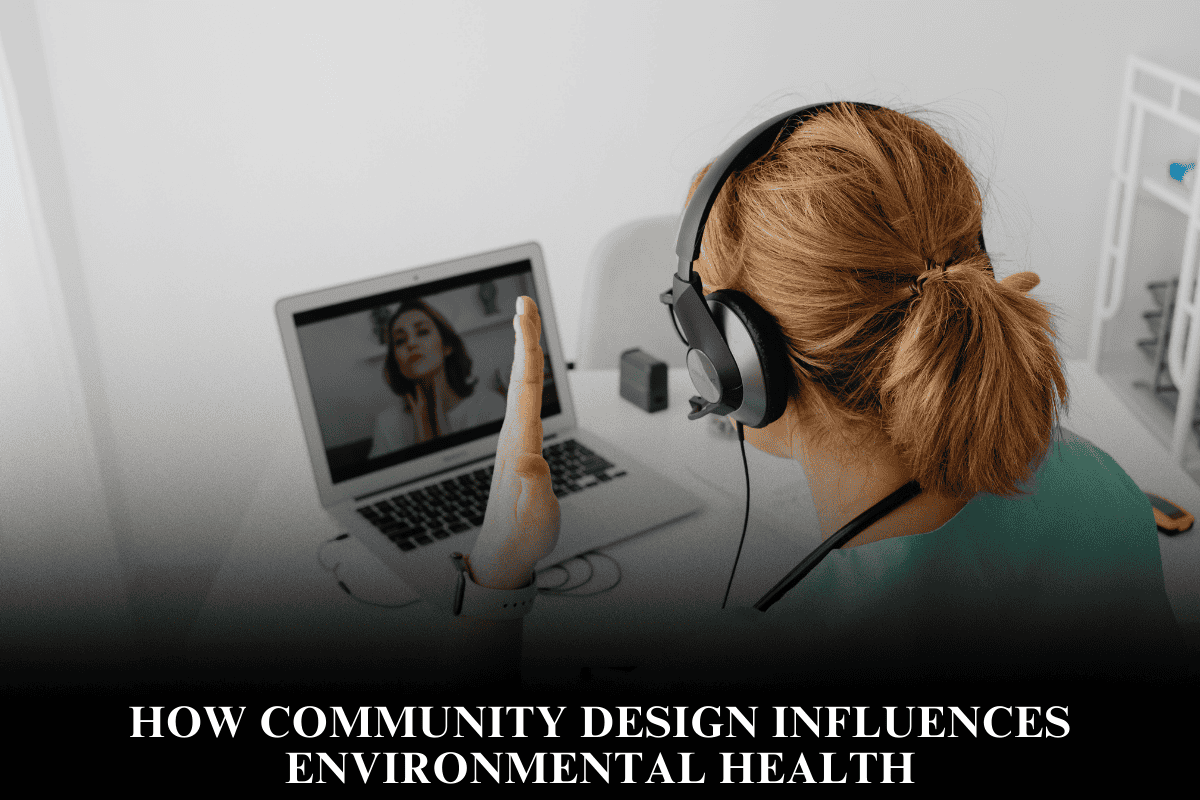
- Technological Tools: Advances in digital translation apps, telephonic interpretation services, and real-time video interpreting augment traditional methods, especially in facilities lacking onsite interpreters. These tools help bridge gaps quickly and cost-effectively while reducing reliance on untrained staff or family members as ad hoc interpreters.
- Cultural Competency Training: Educating healthcare staff about cultural nuances and communication styles fosters empathy and improves interactions with multilingual patients.
Challenges and Future Directions
While technological solutions offer promise, challenges remain, including variable accuracy in medical translations, difficulty conveying complex medical information, and technology acceptance among providers and patients.
Furthermore, access to qualified interpreters is inconsistent across regions and institutions, with bureaucratic and financial barriers limiting availability.
Ongoing research emphasizes evaluating the usability and effectiveness of interpretation technologies and integrating these tools into routine healthcare practice. Policies mandating interpreter services and funding support are critical to ensure broad access and high standards.
FAQs
Why are language barriers a problem in healthcare?
Language barriers hinder clear communication between patients and providers, increasing risks of errors, misunderstanding treatment plans, and reducing patient satisfaction.
What role do professional interpreters play?
Professional interpreters provide accurate, confidential translations that bridge language gaps, improve care quality, and enhance patient safety.
Can technology replace human interpreters?
Technology supplements interpreter services but cannot fully replace human nuance and cultural understanding; it is most effective as a complementary tool.
How can healthcare providers improve communication with LEP patients?
Providers can improve communication by employing interpreters, learning cultural competence, using plain language, and leveraging translation technologies.
What policies support removing language barriers in U.S. healthcare?
Federal laws like Title VI of the Civil Rights Act require meaningful access to healthcare for LEP individuals, promoting interpreter services and culturally competent care.