In today’s diverse healthcare landscape, multilingual support is emerging as a vital factor in redefining the patient experience. With over 8% of the U.S. population having limited English proficiency, healthcare providers must bridge language gaps to ensure equitable, effective care.
Multilingual patient support fosters clear communication, trust, and better health outcomes, transforming how patients and providers interact.
Enhancing Communication and Trust
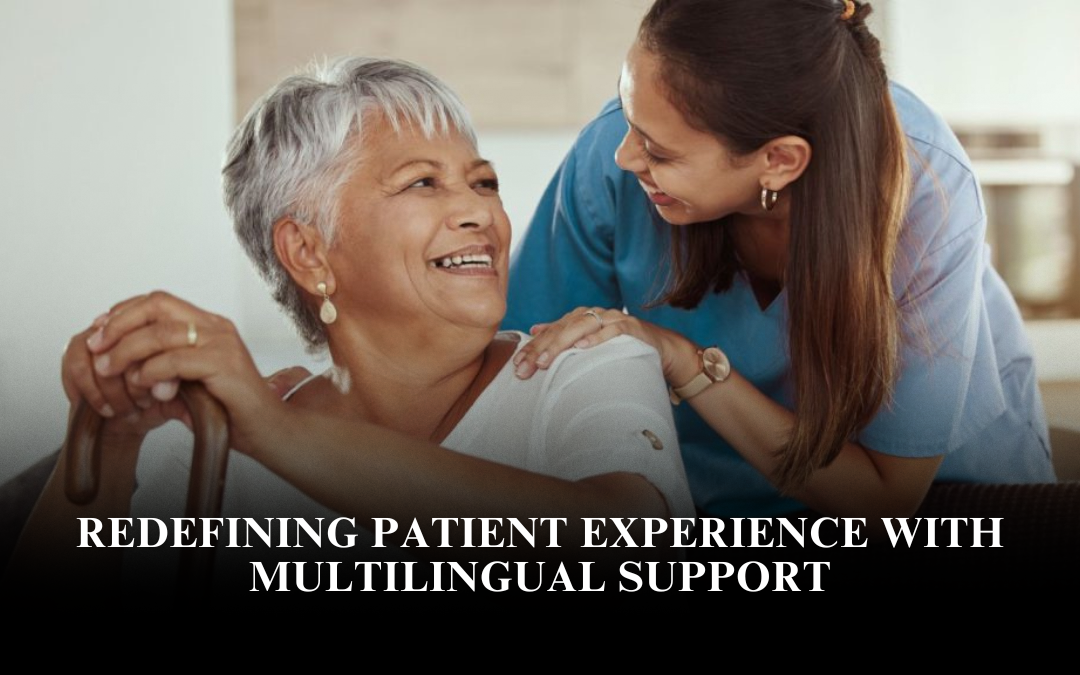
Effective communication is the cornerstone of quality healthcare. When patients can discuss symptoms, diagnoses, and treatment plans in their preferred language, that clarity builds trust and comfort.
Multilingual support minimizes misunderstandings and medical errors that arise from language barriers. Bilingual staff and professional interpreters act as crucial links, ensuring accuracy and cultural sensitivity during consultations.
Improving Patient Engagement and Compliance
Patients who fully understand their healthcare instructions are more likely to follow treatment plans and attend follow-up visits.
Healthcare institutions implementing multilingual texting platforms or hotlines have seen reductions in readmission and no-show rates by as much as 82% and 34% respectively.
This increased engagement profoundly improves health outcomes while lowering healthcare costs for providers.
Widening Access to Healthcare
Language barriers deter non-English speakers from seeking timely care. Comprehensive multilingual services—including phone support, translated materials, and multilingual digital portals—enhance access for underserved populations.
Inclusive communication encourages preventive care usage and builds healthier communities, reducing disparities.
Leveraging Technology for Multilingual Support
Today’s healthcare organizations utilize AI-driven translation tools, chatbots, secure messaging, and remote monitoring systems that can communicate in multiple languages.
Integration of these technologies into electronic health records and patient scheduling systems ensures language assistance at every patient touchpoint. This blend of human and AI support optimizes efficiency without sacrificing accuracy.
Implementing Effective Multilingual Support
Key strategies for healthcare centers include hiring bilingual staff, providing ongoing language training, and utilizing professional interpretation services.
Embedding multilingual signage and offering language preferences at check-ins foster an inclusive environment. Leveraging technology solutions, from multilingual portals to AI-powered translation, helps scale and sustain these efforts.
FAQs
What are the main benefits of multilingual patient support?
Multilingual support improves communication and trust, enhances patient engagement and compliance, reduces medical errors, and increases healthcare access for non-English speakers. These benefits collectively lead to better health outcomes and patient satisfaction.
How can healthcare providers implement effective multilingual support?
Effective implementation involves hiring bilingual staff, using professional interpreters, integrating language options in patient-facing technologies, and fostering culturally sensitive communication. Ongoing staff training and technology adoption further strengthen support.
What challenges do healthcare organizations face in providing multilingual support?
Challenges include funding and resource limitations, training needs, and overcoming resistance to change. Ensuring translation accuracy and cultural sensitivity, as well as integrating new technologies smoothly, also require strategic planning.
Can technology replace human interpreters in multilingual healthcare?
While AI and automated tools enhance scalability and accessibility, human interpreters remain essential for cultural nuance, complex cases, and emotional support. The best models combine AI efficiency with human expertise to optimize care.
What is the future of multilingual support in healthcare?
Advancements in AI-driven real-time translation, telehealth expansions with multilingual capabilities, and policy emphasis on language access will continue to evolve multilingual patient support. Collaborations with community organizations will enhance outreach and equity efforts.