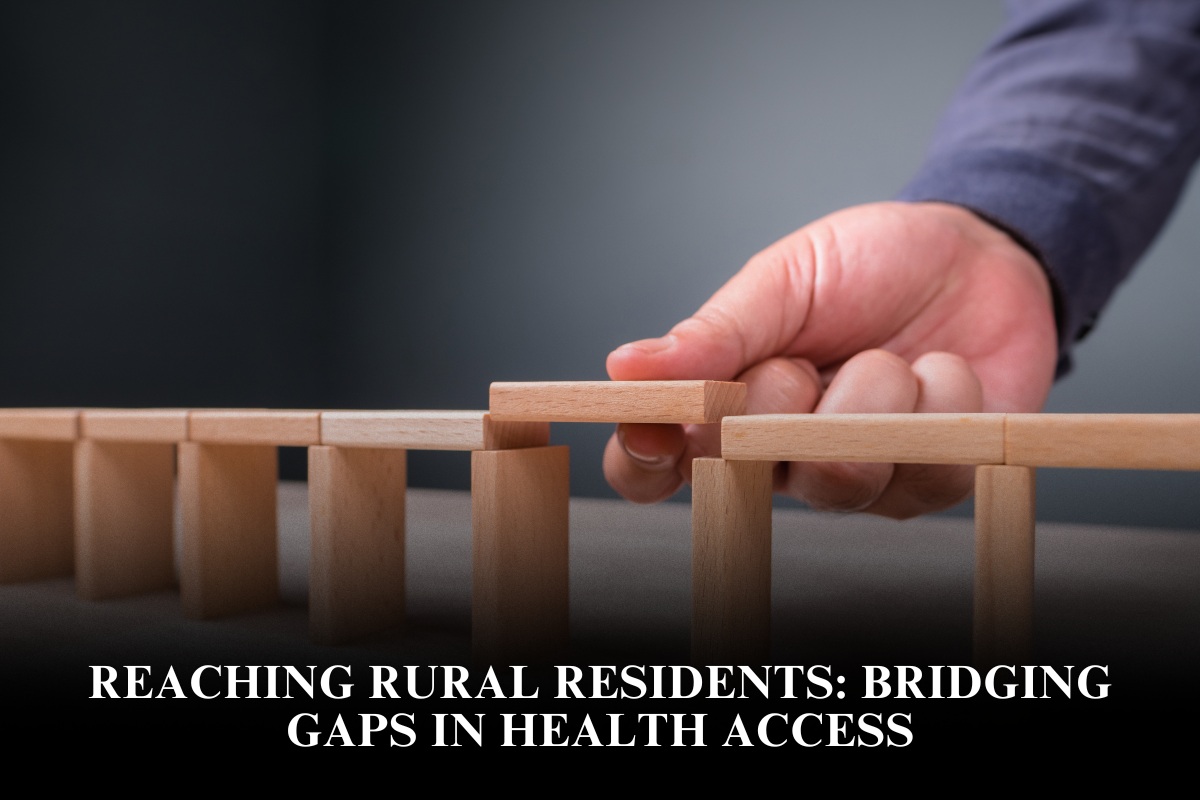
Reaching rural residents and bridging gaps in health access is a crucial public health challenge that demands innovative and community-centered solutions. Rural communities face unique barriers that make accessing quality healthcare difficult, from physical distance and provider shortages to limited transportation and financial constraints.
Barriers to Healthcare Access in Rural Areas
Rural residents often encounter several obstacles, including limited availability of healthcare providers and specialists, requiring long travel times for care. Geographic isolation and poor infrastructure, such as inadequate roads and internet connectivity, exacerbate these challenges. Additionally, lower health literacy, financial hardships, and stigma around seeking care can further reduce utilization of services.
Innovative Solutions to Bridge the Gap
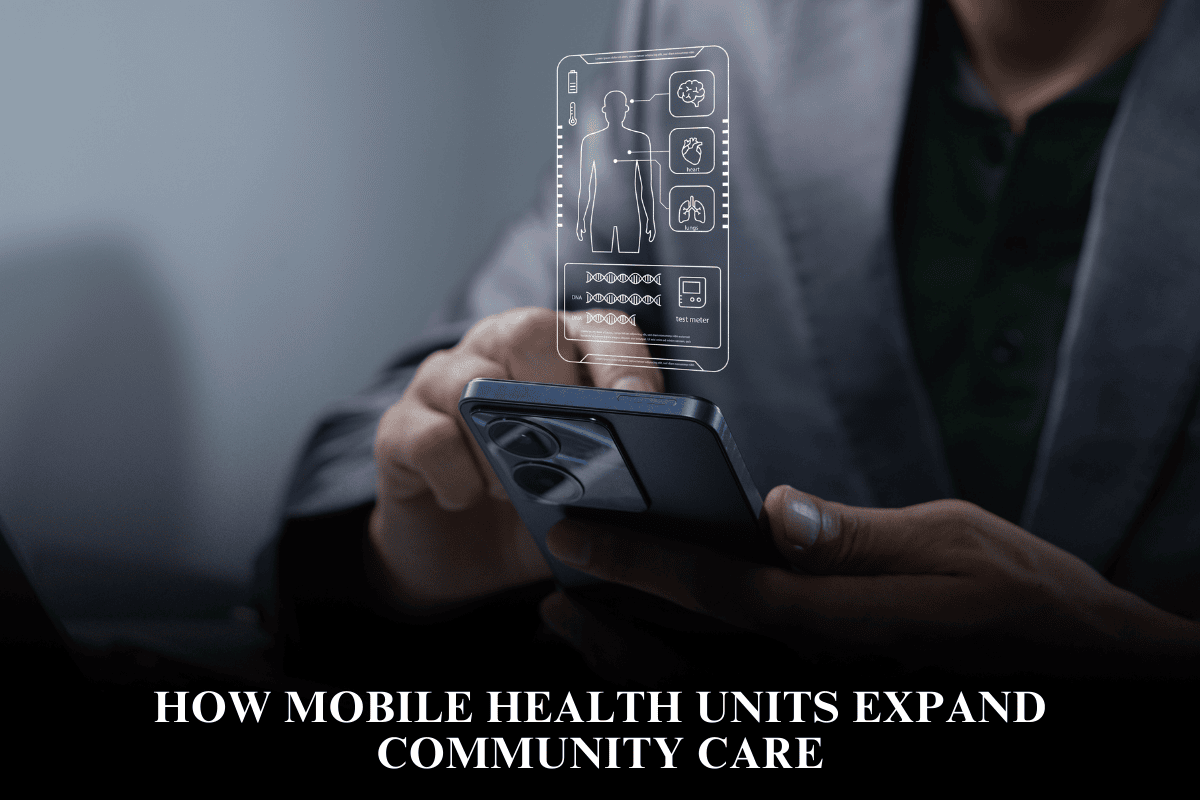
To overcome these barriers, many rural communities adopt mobile health clinics that bring medical screenings, vaccinations, and treatment directly to remote areas. These clinics can provide vital preventive care and chronic disease management without the need for extensive travel.
Telehealth has emerged as a game-changer by allowing virtual consultations and remote monitoring through video, phone, or text-based services. Telehealth expands access to providers, especially mental health specialists, enabling patients to receive timely care from home.
Leveraging Community Health Workers and Local Resources
Training and deploying community health workers (CHWs) who understand the local population helps bridge cultural, linguistic, and trust gaps. CHWs provide education, support preventive behaviors, connect residents to resources, and assist navigation through complex healthcare systems.
Community partnerships with schools, social organizations, and transportation services also enhance healthcare reach. Coordinated efforts ensure residents receive holistic care addressing social determinants affecting health, such as housing, nutrition, and transportation.
Financial Accessibility and Policy Support
Sliding fee scales, patient assistance programs, and government insurance expansions help mitigate cost barriers. Funding from federal programs supports workforce development, infrastructure improvements, and mobile or telehealth services tailored to rural needs.
Policies focusing on increasing recruitment and retention of rural healthcare providers through incentives, loan repayment, and flexible work arrangements are key to sustaining services. Investments in broadband internet are critical for expanding telehealth capabilities.
FAQ
Q: What are the main challenges rural residents face in accessing healthcare?
A: Challenges include provider shortages, geographic isolation, limited transportation, poor internet connectivity, financial barriers, and stigma.
Q: How do mobile health clinics help rural communities?
A: They bring preventive and primary care services directly to remote populations, reducing the need for travel.
Q: What role does telehealth play in rural health access?
A: Telehealth enables virtual consultations and ongoing care, overcoming geographic and transportation challenges.
Q: Who are community health workers (CHWs)?
A: CHWs are trained local members who assist with education, resource navigation, and building trust between communities and healthcare providers.
Q: How can financial barriers to care be addressed in rural areas?
A: Sliding fee scales, patient assistance programs, expanded insurance coverage, and federal funding help make care more affordable.
Bridging healthcare gaps in rural areas requires a multifaceted approach involving mobile services, telehealth, community engagement, financial assistance, and supportive policies. Together, these strategies bring equitable, high-quality healthcare closer to rural residents and improve health outcomes across underserved communities.