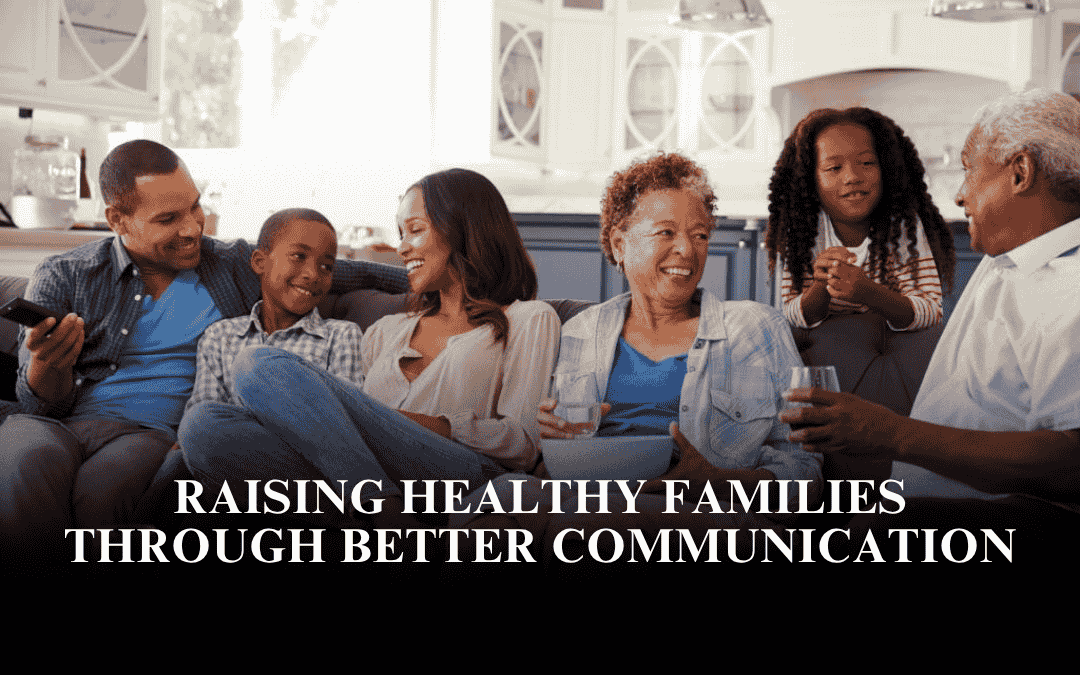
Effective communication within families is fundamental to raising healthy children and fostering overall family well-being. In the United States, where families face diverse stressors and challenges, developing strong, open, and supportive communication channels can significantly improve emotional health, physical wellness, and relational stability.
The Role of Communication in Family Health
Good communication enables family members to express their needs, concerns, and feelings openly and respectfully. This openness helps reduce conflicts and misunderstandings, promotes empathy, and strengthens the emotional bonds among parents and children.
Research shows that families who communicate better tend to share healthier meals together and support each other’s physical and mental health goals more effectively.
Talking openly about health behaviors, such as nutrition and exercise, without judgment encourages children to develop positive habits early on.
Supporting Children’s Emotional and Social Well-being
Healthy communication also supports children’s emotional resilience. When parents listen actively and communicate with empathy, children feel safe and valued.
This improves their self-esteem, helps them manage stress, and reduces the risk of anxiety and behavioral problems. Including children in family discussions and decisions fosters a sense of belonging and responsibility, which is crucial for their social development.
Communication Skills for Caregivers
For parents and caregivers, learning specific communication strategies can ease caregiving challenges and promote family harmony.
Programs designed to teach open, supportive communication help caregivers navigate difficult topics like health conditions and behavioral changes with greater confidence.
Caregivers who communicate well with healthcare providers and family members enhance the overall caregiving experience and improve the health outcomes of their loved ones.
Practical Tips for Better Family Communication
- Set aside regular time for family conversations without distractions, like phones or TV.
- Use active listening by paying full attention and validating each other’s feelings.
- Share positive feedback and encourage each other’s achievements.
- Address conflicts calmly and look for solutions together.
- Include children in age-appropriate decisions to empower them.
- Promote honesty and openness, creating a safe space for sharing.
FAQs
How does better communication improve family health?
Better communication helps family members support each other’s health goals, reduces stress through conflict resolution, and encourages healthy behaviors like shared meals and physical activity.
What if family members avoid talking about difficult health topics?
Learning communication skills specifically designed for sensitive topics can help caregivers and family members openly address health concerns without causing distress or conflict, improving understanding and support.
How can parents encourage children to share their feelings?
Parents can encourage sharing by actively listening, validating children’s emotions, and creating a non-judgmental environment where feelings are accepted and discussed constructively.
Can family communication impact children’s mental health?
Yes, open and empathetic communication strengthens children’s emotional resilience, reduces anxiety risks, and promotes social skills, contributing to better mental health outcomes.
What role does communication play in caregiving?
Effective communication among caregivers, family members, and healthcare providers ensures better coordinated care, reduces caregiver burden, and enhances patient health outcomes.