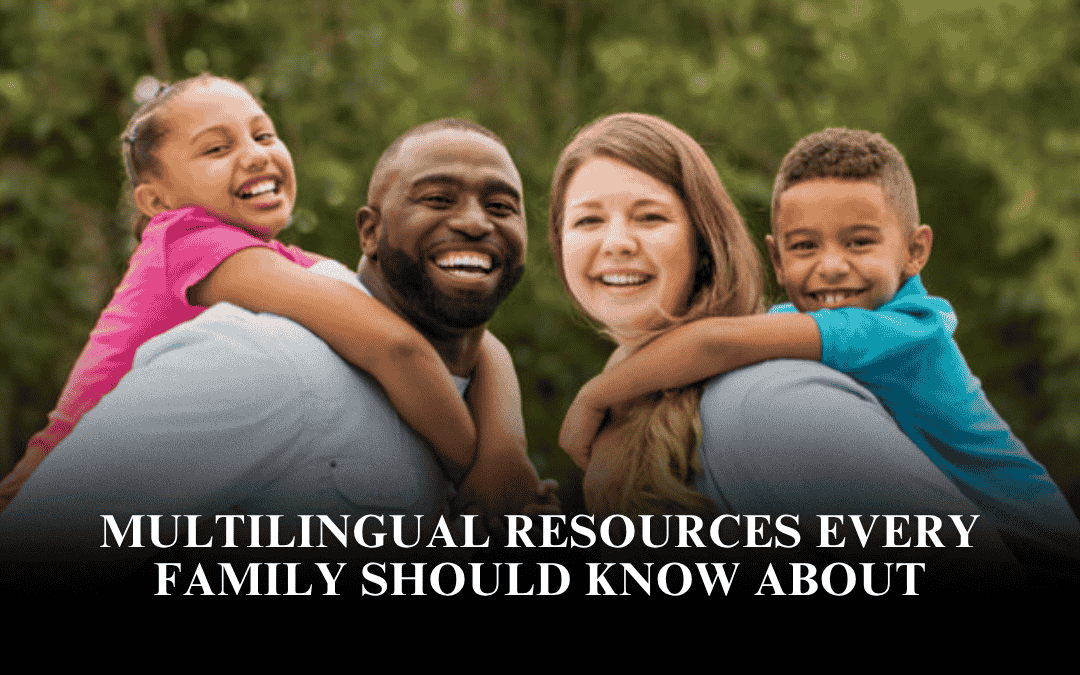
Access to health information in a family’s primary language is crucial for equal, effective care across the United States. As linguistic diversity increases, families need to know about key multilingual resources and services that ensure everyone can understand, access, and manage their health needs confidently.
Federal and National Language Access
The U.S. government mandates language access in healthcare. Title VI of the Civil Rights Act requires federally funded health providers—including hospitals, clinics, and insurance programs—to offer free interpretation and translation services for people with limited English proficiency (LEP).
Language accessibility is a top priority for agencies like the CDC and the Department of Health and Human Services (HHS), which maintain comprehensive online language portals and strategic access plans.
Major Health Information Portals
- MedlinePlus: Provided by the National Institutes of Health, this website offers health information in over 50 languages: from factsheets about common illnesses and medicines to explanatory videos on treatments and prevention.
- CDC Multilingual Resources: The CDC translates critical public health information—including vaccination, COVID-19, and emergency preparedness—into numerous languages to reach diverse families.
- Family Voices: Especially for those with special health-care needs, Family Voices collaborates with the American Academy of Pediatrics to improve use of language access services, offering resources and legal guidance on family rights.
Specialized and Localized Multilingual Supports
- Health Information Translations: This project creates easy-to-read, culturally sensitive health education in more than a dozen languages for patients and providers to use in communities.
- Point-to-Talk Booklets: Distributed by some hospitals, these visual tools help families communicate quickly with providers in over 15 languages.
- Interpreter Services: Most hospitals and clinics provide free, on-demand interpreters—available by phone, video, or in person, including for American Sign Language.
Mental Health and Wellness Materials
- Kelty Mental Health and Our Kids’ Health: These organizations provide infographics, short videos, and guides regarding children’s mental health and well-being in multiple languages, bridging cultural gaps and supporting BIPOC families.
- EthnoMed and Transcultural Mental Health Centre: These resources offer cultural context, health literacy, and translation tools, especially helpful for newcomers and multilingual families.
FAQs
How do I find healthcare information in my language?
You can use MedlinePlus or CDC’s “Languages Other Than English” portals for respected, medically reviewed information across dozens of health topics.
Are interpreters free in hospitals and clinics?
Yes. By law, if a provider receives federal funds (such as Medicaid), patients have the right to free interpretation and translation services during appointments.
What if I need mental health support in my language?
Programs like Kelty Mental Health, EthnoMed, and Transcultural Mental Health Centre provide multilingual mental health resources, guides, and culturally adapted materials.
Can my medical prescriptions and after-visit instructions be translated?
Yes. Many providers use standardized translated instructions (like the Universal Medication Schedule) and offer medication explanations in additional languages for families.
Where else can families find multilingual health resources?
Local community health centers, public libraries, and nonprofits often share multilingual booklets; plus, state and city health departments typically offer web resources in the most common area languages.