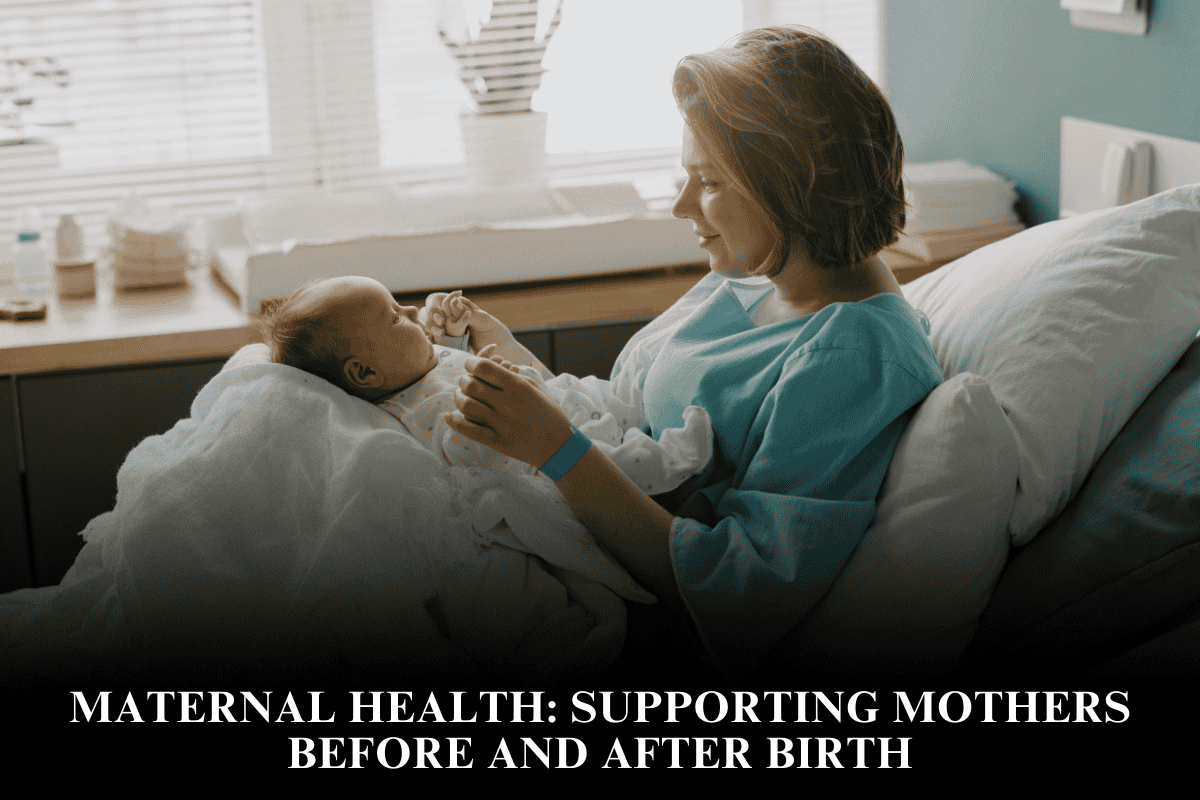
Supporting maternal health before and after birth is essential for the well-being of both mother and child, impacting short- and long-term health outcomes.
Maternal Health: Supporting Mothers Before and After Birth
Prenatal Care (Before Birth)
- Regular Health Check-ups: Early and consistent prenatal visits help monitor the baby’s development and identify any complications such as gestational diabetes or preeclampsia.
- Nutrition and Supplements: Ensuring a balanced diet rich in folic acid, iron, calcium, and other vital nutrients supports fetal growth and maternal health.
- Education and Counseling: Preparing expectant mothers through classes and counseling about labor, delivery, breastfeeding, and newborn care promotes confidence and reduces anxiety.
- Lifestyle Modifications: Encouraging safe exercise, avoiding harmful substances (like alcohol and tobacco), and managing stress improves pregnancy outcomes.
- Screenings and Tests: Regular screenings can detect health issues early, allowing timely interventions to protect mother and baby.
Postnatal Care (After Birth)
- Physical Recovery Support: Addressing healing from delivery, managing pain, and monitoring for post-birth complications like infections or hemorrhage.
- Emotional and Mental Health: Screening for postpartum depression and anxiety, providing counseling and support networks to promote psychological well-being.
- Breastfeeding Assistance: Guidance on establishing successful breastfeeding, including managing challenges like latching or milk supply, benefiting both mother and newborn.
- Family and Social Support: Encouraging involvement of partners, family, and community to help with care responsibilities and emotional support.
- Ongoing Health Monitoring: Follow-up visits to assess physical recovery, check contraception options, and manage chronic conditions.
- Education on Infant Care: Teaching parents about newborn care, immunizations, and safe sleeping practices.
Additional Strategies to Enhance Maternal Health
- Access to Quality Health Services: Improve availability of skilled birth attendants and postnatal visits, especially within the first 24 hours and the critical six-week postpartum period.
- Community-Based Support: Peer groups and community health workers provide culturally sensitive education and emotional support.
- Mental Health Integration: Incorporate mental health services throughout prenatal and postnatal care for holistic maternal well-being.
Frequently Asked Questions (FAQ)
Q: Why is prenatal care important?
A: It helps track pregnancy progress, prevent complications, and prepare mothers physically and emotionally for childbirth and parenting.
Q: What are common postnatal health challenges?
A: Physical recovery from delivery, postpartum depression, breastfeeding difficulties, and managing chronic health issues.
Q: How can family support maternal health?
A: By providing emotional, practical help, and participating in caregiving to reduce maternal stress and fatigue.
Q: What role do healthcare providers play postpartum?
A: They monitor recovery, offer counseling, help with breastfeeding, and screen for mental health conditions.
Q: How often should postnatal check-ups occur?
A: Initial check within 24 hours, followed by several home visits or clinic visits up to 6 weeks postpartum and beyond if needed.