In the United States, millions of families speak a language other than English at home. According to the U.S. Census Bureau, more than 25 million individuals are considered to have limited English proficiency (LEP). For these families, accessing healthcare, education, and social services can be challenging.
Language access programs ensure that LEP families receive the same quality of care and information as English-speaking families. By providing interpretation and translation services, organizations can promote equity, understanding, and trust.
The Importance of Language Access in Healthcare
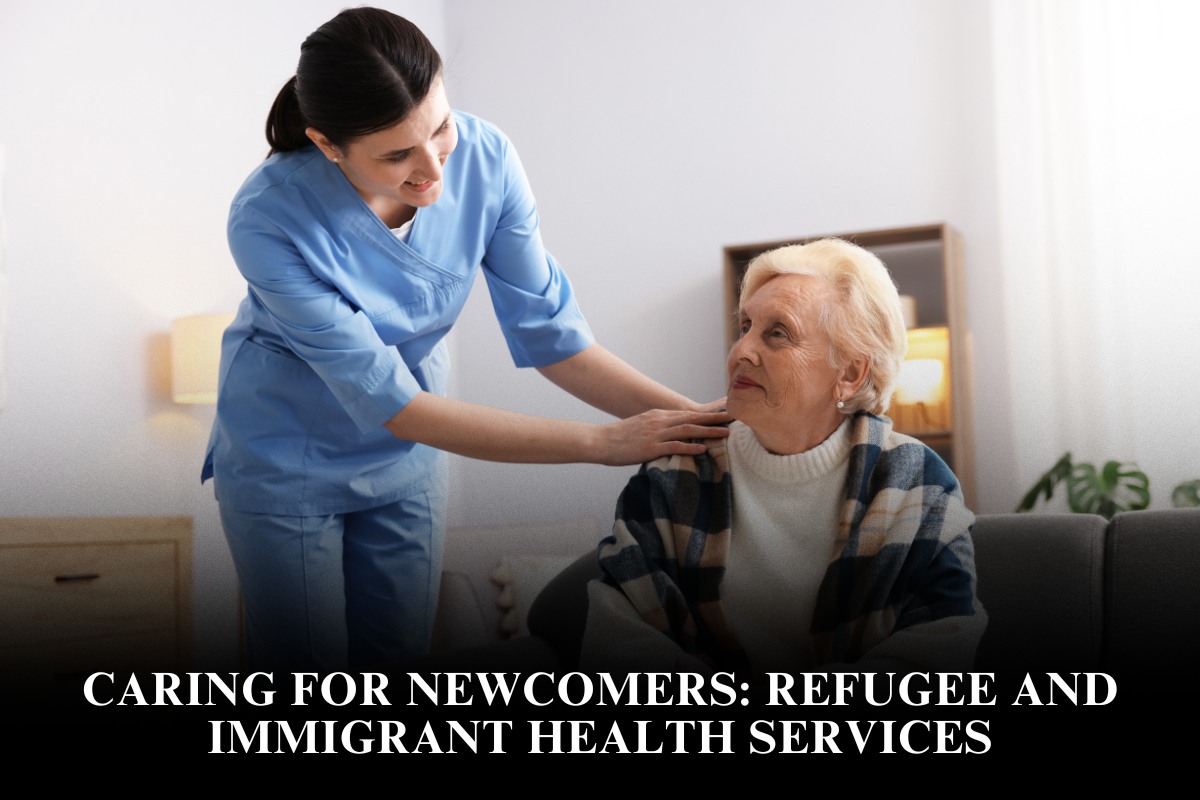
Healthcare is one of the most critical areas where language access makes a difference. When families cannot communicate effectively with medical staff, the risk of misunderstandings, misdiagnosis, and incorrect treatment increases.
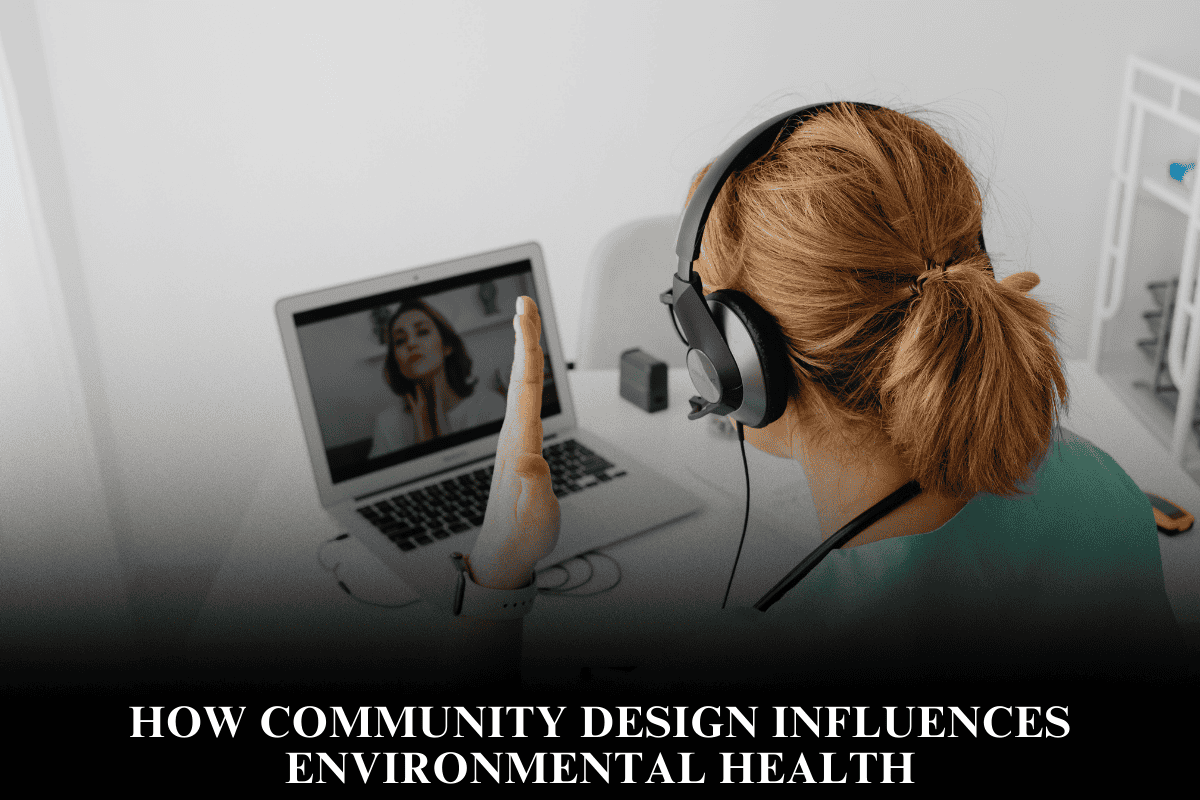
Language barriers can prevent parents from understanding their child’s medical needs or from giving informed consent for procedures. Professional language services—whether through in-person interpreters, phone interpretation, or video technology—help bridge these gaps.
Providing language access ensures that patients understand their diagnosis, treatment options, and medication instructions. It also fosters a sense of respect and dignity, showing LEP families that their voices matter in their care journey.
Supporting Families in Educational and Social Settings
Language access extends beyond hospitals. Schools and community organizations also play a crucial role in supporting LEP families.
Parents need clear communication to participate in their children’s education—whether discussing academic progress, behavioral concerns, or special education services. Translation of school documents and interpretation during meetings help families stay informed and engaged.
In social service programs, language assistance ensures families understand their rights, eligibility requirements, and available resources. This access empowers them to make decisions that support their family’s health, education, and well-being.
Legal Requirements for Language Access
Federal law mandates language access for individuals with LEP. Title VI of the Civil Rights Act of 1964 prohibits discrimination based on national origin, which includes language barriers.
Similarly, Section 1557 of the Affordable Care Act requires healthcare providers and federally funded programs to offer meaningful language assistance to LEP individuals.
Failure to comply can lead to legal consequences and harm an organization’s reputation. Providing professional interpreters and translated materials isn’t just a courtesy—it’s a legal and ethical obligation that upholds fairness and inclusion.
Benefits of Effective Language Access
When organizations prioritize language access, everyone benefits. Families feel heard, respected, and confident in their decisions. Providers gain accurate information, improving safety and outcomes.
Schools and community agencies build stronger relationships with immigrant populations, fostering inclusion and trust. In the long run, language access leads to better health, higher satisfaction, and stronger communities.
Frequently Asked Questions (FAQ)
1. What does “limited English proficiency” mean?
It refers to individuals who do not speak English as their primary language and have difficulty reading, writing, speaking, or understanding it effectively.
2. Why is language access important for families?
It ensures families can fully understand and participate in decisions about their healthcare, education, and services—promoting equality and safety.
3. Are hospitals and schools required to provide language assistance?
Yes. Under U.S. federal laws like Title VI and the ACA, federally funded institutions must offer free language assistance to LEP individuals.
4. What types of language services are available?
Common options include in-person interpreters, telephone interpretation, video remote interpretation, and professional translation of written materials.
5. How does language access improve outcomes?
It reduces errors, builds trust, and ensures families receive accurate, compassionate, and culturally appropriate care and support.