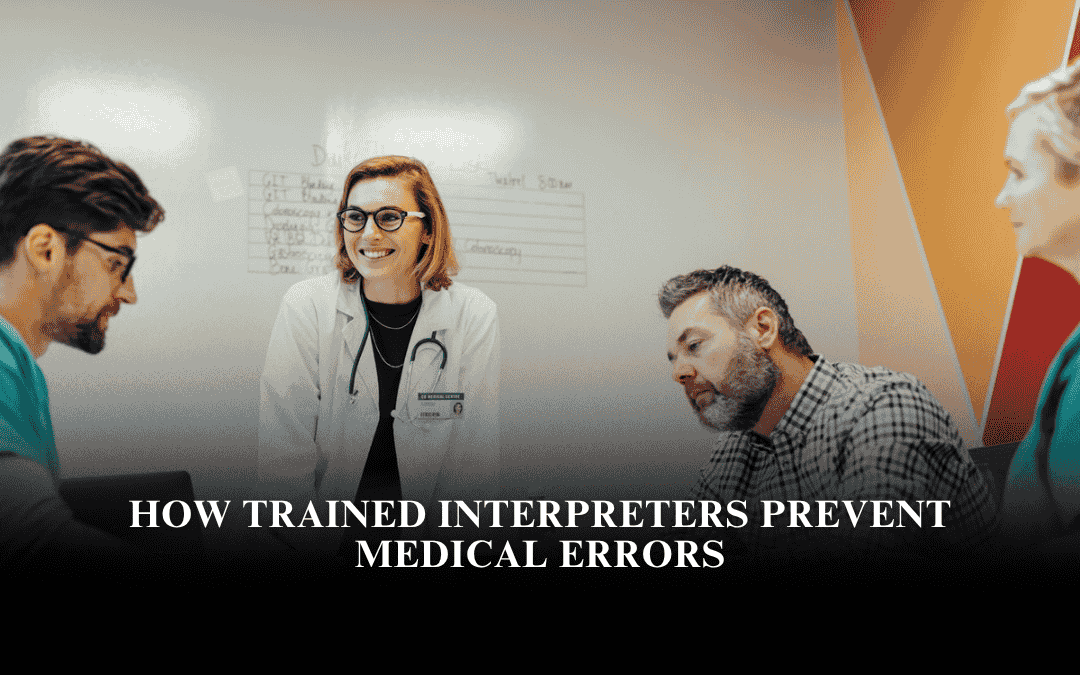
Effective communication is critical in healthcare but can be challenging when patients have limited English proficiency (LEP). Trained medical interpreters play a vital role in bridging language gaps, improving patient safety, and preventing medical errors in the United States healthcare setting.
The Role of Trained Medical Interpreters
Medical interpreters are specially trained to facilitate accurate, unbiased communication between patients and healthcare providers. Their expertise goes beyond literal translation; they understand medical terminology, ethics, and cultural nuances necessary for effective communication.
This helps ensure that complex health information, symptoms, and treatment instructions are correctly conveyed and understood by both parties.
Preventing Medical Errors Through Accurate Communication
Studies show that LEP patients are at a significantly higher risk of experiencing medical errors due to miscommunication. Without professional interpreters, critical details can be omitted, misunderstood, or altered, leading to wrong diagnoses, inappropriate treatments, or failure in obtaining valid informed consent.
Using trained interpreters reduces these risks by clarifying medical information, supporting patients’ understanding, and ensuring that instructions are accurately relayed.
Legal and Ethical Importance
In the U.S., laws and healthcare standards mandate qualified medical interpreters to uphold patients’ rights and ethical care. Proper interpretation is essential during informed consent processes and other critical healthcare interactions.
Failure to provide qualified interpreters can result in legal liabilities and ethical violations, underscoring the healthcare provider’s obligation to ensure language access for LEP patients.
Best Practices in Interpreter Use
Professional interpreters can work onsite, by telephone, or via video remote interpreting. While remote options offer convenience, onsite interpreters are often preferred for complex or sensitive discussions.
Healthcare organizations are encouraged to invest in certified interpreters and provide ongoing training for bilingual staff when necessary.
It is also important to avoid untrained family members or staff as interpreters, as they increase the risk of error and miscommunication.
FAQs
What qualifications should a medical interpreter have?
A trained medical interpreter should demonstrate fluency in both languages, complete formal training in medical terminology and ethics, and often hold certification recognized by health authorities.
Why not use family members to interpret?
Family members may lack medical knowledge, omit or alter information, and may have conflicts of interest. This can lead to misunderstandings and errors in care.
How do interpreters improve patient safety?
By accurately and impartially conveying information, interpreters help prevent misdiagnoses, ensure proper treatment, and support informed consent, thereby reducing adverse events.
Are interpreters required by law in healthcare?
Yes, in the U.S., laws such as Title VI of the Civil Rights Act require language services to ensure equal access to care for LEP patients.
Can remote interpreting be as effective as onsite?
Remote interpreting is effective and widely used but may not be ideal for all situations. Onsite interpreters better facilitate nuanced communication and patient comfort.