Effective communication is at the heart of quality healthcare. In the United States, hospitals serve an increasingly diverse population, with millions of patients who speak little or no English. According to the U.S. Census Bureau, over 25 million people in the country are considered to have limited English proficiency (LEP).
Without proper language support, these patients face barriers that can lead to miscommunication, medical errors, and lower satisfaction with care. Language services—such as professional interpretation and translation—play a crucial role in overcoming these challenges and improving patient outcomes.
Enhancing Communication Between Patients and Providers
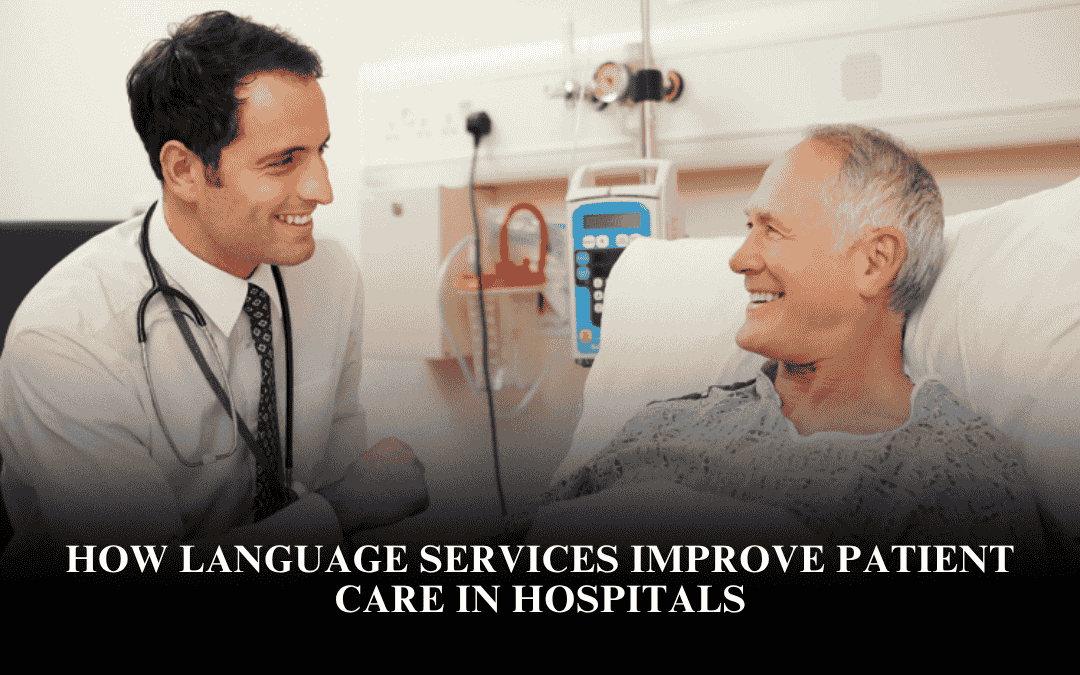
Language services help bridge the communication gap between healthcare professionals and patients who speak different languages. Certified medical interpreters ensure patients can clearly explain their symptoms, understand diagnoses, and make informed decisions about their care.
In addition, translated documents—such as consent forms, discharge instructions, and medication labels—allow patients to follow medical guidance accurately. In U.S. hospitals, effective communication fosters trust, respect, and comfort, ensuring that patients feel understood and valued.
Reducing Medical Errors and Enhancing Patient Safety
Miscommunication can have serious consequences in healthcare. A misunderstanding about dosage, allergies, or symptoms can lead to preventable errors. Professional interpreters are trained to handle complex medical terminology and high-stakes situations like surgeries, emergency care, or end-of-life discussions.
By ensuring accuracy, hospitals can significantly reduce safety risks and improve overall care quality. Studies in the U.S. show that hospitals with robust language access programs experience fewer readmissions and better patient safety outcomes.
Building Trust and Patient Satisfaction
Patients are more likely to trust healthcare providers who communicate in their preferred language. This trust leads to higher patient engagement, better adherence to treatment plans, and improved health outcomes. Offering language support demonstrates cultural competence—a key aspect of patient-centered care.
U.S. hospitals that prioritize language services also strengthen their reputation within multicultural communities, attracting more patients and fostering stronger relationships with local populations.
Meeting Legal and Ethical Requirements
In the United States, providing language assistance is not just good practice—it’s the law. Under Title VI of the Civil Rights Act of 1964 and Section 1557 of the Affordable Care Act (ACA), healthcare facilities receiving federal funding must provide meaningful access to LEP patients.
Failure to comply can lead to legal and ethical consequences. Implementing language services ensures hospitals uphold these standards and deliver equitable care to all patients, regardless of language or background.
Improving Efficiency and Reducing Costs
Although establishing language programs requires investment, it ultimately improves hospital efficiency and reduces costs. Clear communication helps prevent unnecessary tests, avoid prolonged hospital stays, and minimize readmissions caused by misunderstandings.
In the long term, language services contribute to better resource utilization and more positive patient experiences—benefiting both patients and healthcare providers.
Frequently Asked Questions (FAQ)
1. What are language services in healthcare?
Language services include interpretation (spoken communication), translation (written materials), and sometimes cultural mediation to help bridge gaps between patients and healthcare providers.
2. Who provides these services in U.S. hospitals?
Hospitals may employ certified medical interpreters, use on-demand phone or video interpretation, or partner with professional translation agencies for written materials.
3. Can family members act as interpreters?
It’s not recommended. Family members often lack medical knowledge and impartiality, increasing the risk of miscommunication and privacy violations.
4. How do language services benefit hospitals?
They enhance patient safety, satisfaction, and trust while ensuring compliance with U.S. healthcare laws and improving overall efficiency.
5. Why are language services important in the U.S. healthcare system?
Because effective communication ensures fair, safe, and high-quality care for all patients—regardless of their native language.