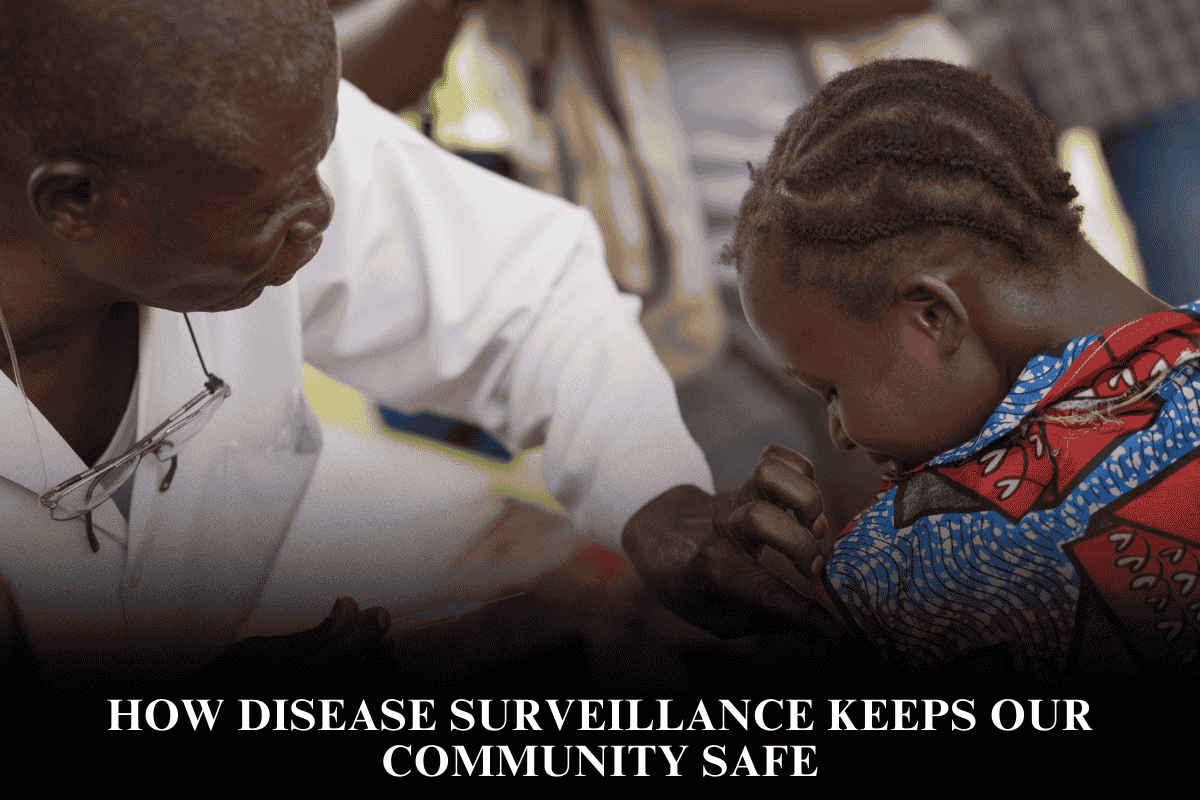
Disease surveillance is a cornerstone of public health that helps keep communities safe by systematically monitoring, analyzing, and responding to disease patterns. Through timely information gathering and intervention, disease surveillance prevents outbreaks, reduces morbidity and mortality, and guides health policy and resource allocation.
What is Disease Surveillance?
Disease surveillance involves the continuous, systematic collection, analysis, interpretation, and dissemination of health data to public health authorities and the community. It is used to identify trends, detect outbreaks early, and inform strategies to control and prevent diseases.
How Disease Surveillance Protects Communities
Early Detection and Rapid Response
By monitoring cases of infectious and noninfectious diseases, surveillance systems can detect unusual increases or new threats swiftly. Early warning allows health officials to implement control measures such as quarantines, vaccination campaigns, or public awareness efforts to contain spread.
Informing Public Health Interventions
Surveillance data help identify high-risk populations, environmental factors, and disease transmission routes. This information guides targeted health promotion, screening programs, and resource allocation, making interventions more effective and equitable.
Monitoring Trends and Program Effectiveness
Long-term surveillance tracks disease incidence and prevalence, measuring progress toward health goals and assessing effectiveness of vaccines, treatments, and policies. Adjustments can be made based on ongoing data to optimize outcomes.
Supporting Research and Policy Development
Data generated aid epidemiological research, improving understanding of disease dynamics and informing policies that protect population health. Surveillance builds a knowledge base critical for preparedness against emerging health threats.
Components of an Effective Surveillance System
- Health care providers and laboratories reporting cases promptly.
- Trained public health workers analyzing and interpreting data.
- Communication systems for timely dissemination of alerts and recommendations.
- Use of technology including electronic health records, GIS mapping, and mobile reporting tools.
FAQ
Q: What diseases are monitored through surveillance?
A: Infectious diseases (like influenza, COVID-19, tuberculosis), chronic diseases, and conditions with public health impact are monitored.
Q: How does disease surveillance benefit individuals?
A: By preventing outbreaks and ensuring timely treatment and vaccination, it protects individual and community health.
Q: Can disease surveillance predict outbreaks?
A: While it cannot predict exactly, it identifies early signs and trends that signal increased risk.
Q: Who is responsible for disease surveillance?
A: Local and national public health authorities coordinate efforts, often supported by international bodies like WHO.
Q: How can communities support disease surveillance?
A: By participating in vaccination programs, reporting symptoms to health providers, and following public health guidance.