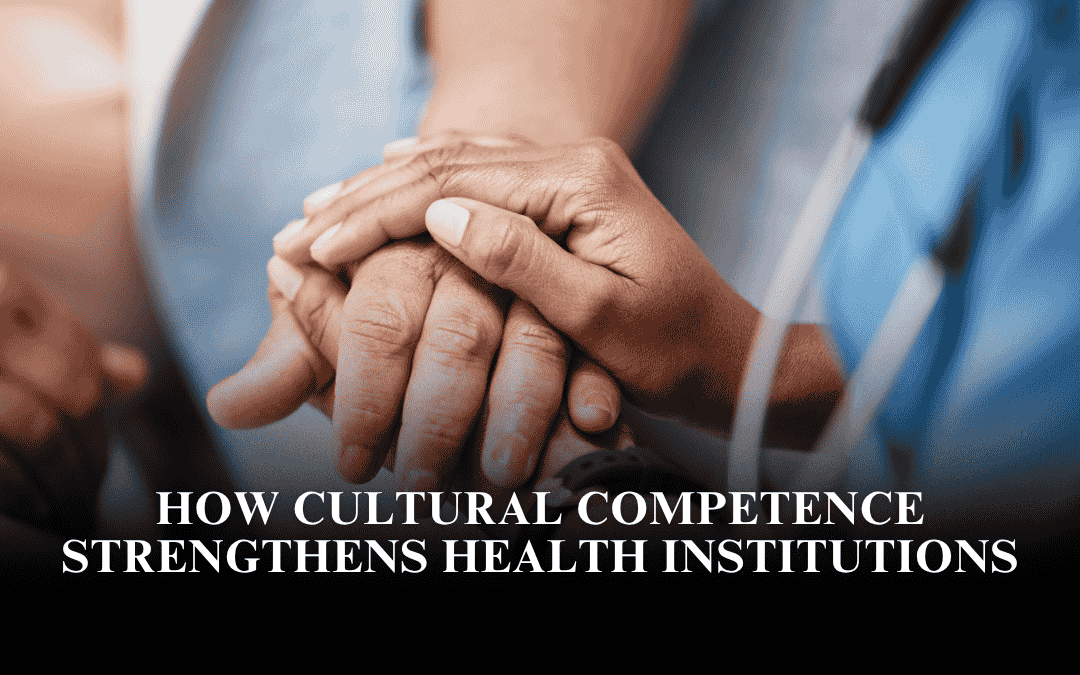
Cultural competence significantly strengthens health institutions in the United States by improving healthcare delivery, reducing disparities, and enhancing patient outcomes.
It involves the ability of healthcare providers and organizations to effectively deliver services that meet the cultural, social, and linguistic needs of diverse patient populations.
What is Cultural Competence in Healthcare?
Cultural competence refers to the ability of healthcare systems and professionals to recognize and respect patients’ diverse cultural backgrounds, beliefs, and behaviors.
This competence enables healthcare providers to tailor care that is culturally appropriate and sensitive, leading to better communication, trust, and patient satisfaction.
U.S. health institutions increasingly integrate cultural competence to respond effectively to the needs of racial and ethnic minority populations and comply with federal guidelines aiming to eliminate healthcare disparities.
Benefits of Cultural Competence for Health Institutions
- Enhanced Patient-Provider Communication: By acknowledging language preferences and cultural contexts, providers can better understand patients, reducing misunderstandings and improving adherence to treatment plans.
- Reduced Health Disparities: Cultural competence helps address racial, ethnic, and social disparities by delivering equitable care to all communities, especially those historically underserved.
- Improved Health Outcomes: Tailored care based on cultural awareness leads to earlier diagnoses, appropriate preventive care, and better management of chronic conditions.
- Increased Patient Satisfaction and Trust: Patients feel respected and valued, fostering stronger relationships with providers and health organizations.
- Organizational Benefits: Institutions benefit from improved workforce diversity, better staff retention, and increased efficiency by minimizing cultural barriers within care delivery.
Key Strategies for Implementing Cultural Competence
- Collecting and using data on race, ethnicity, and language preferences to guide care improvements.
- Providing ongoing cultural competence training to healthcare staff.
- Developing community partnerships to involve patients in service design.
- Ensuring diverse recruitment for healthcare workforce pipelines.
- Creating culturally tailored disease management and prevention programs.
- Prioritizing cultural competence as a core institutional value.
FAQs
Q: Why is cultural competence important in U.S. healthcare?
A: It helps reduce health disparities and improves care quality by making services accessible and appropriate for diverse populations, leading to better health outcomes.
Q: How does language access relate to cultural competence?
A: Language services enhance communication with patients who speak different languages, reducing barriers to understanding and ensuring safer, more effective care.
Q: Are there legal requirements for cultural competence?
A: Some states require cultural competence training for healthcare providers, and federal agencies promote standards such as the CLAS standards to guide culturally appropriate care.
Q: Can cultural competence improve patient safety?
A: Yes, by promoting respectful and clear communication, cultural competence helps prevent errors and misunderstandings that could compromise patient safety.
Q: What role does cultural competence play in addressing social determinants of health?
A: It enables healthcare providers to understand and address broader social and cultural factors affecting patient health, beyond clinical symptoms.