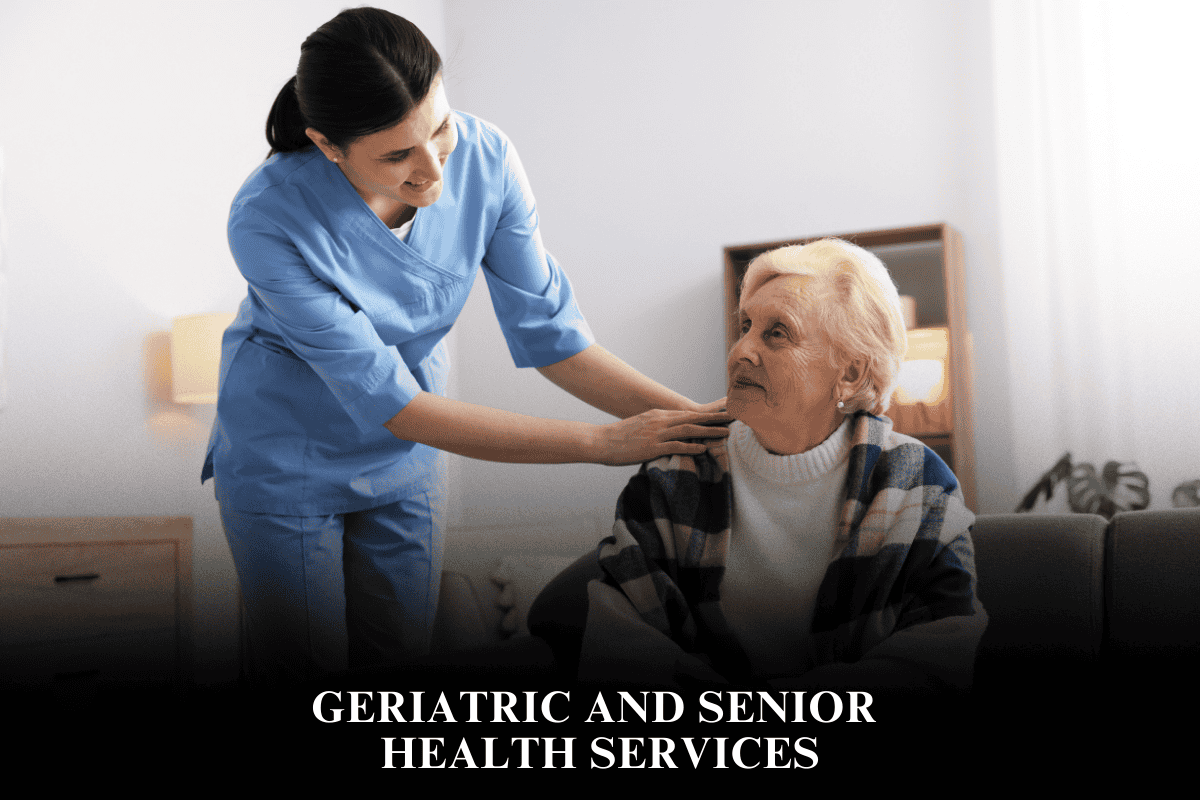
Geriatric and senior health services focus on promoting the well-being, independence, and quality of life for older adults through a range of medical, rehabilitative, and supportive care tailored to their unique needs.
Overview of Geriatric and Senior Health Services
Types of Services
- Preventive and Promotive Care: Regular health check-ups, screenings for chronic diseases, vaccinations, nutrition counseling, and physical exercise programs aimed at maintaining and enhancing health.
- Curative and Rehabilitative Services: Diagnosis and management of age-related medical conditions such as hypertension, diabetes, arthritis, dementia, and cardiovascular diseases. Rehabilitative services include physiotherapy and occupational therapy to restore mobility and functionality.
- Home-Based Care: In-home medical and personal care services including medication management, nursing, assistance with activities of daily living like bathing, dressing, and meal preparation, enabling seniors to live independently.
- Assisted Living Facilities: Residential community environments providing support with daily tasks while promoting autonomy in a socially engaging setting.
- Skilled Nursing Care: 24/7 medical supervision for seniors with complex health needs or recovering from surgery or injury.
- Adult Day Care: Supervised daytime care centers providing social activities, health monitoring, and respite for family caregivers.
- Palliative and Hospice Care: Specialist care aimed at providing comfort and quality of life for seniors with serious or terminal illnesses.
Key Features
- Integrated care coordination involving physicians, nurses, physiotherapists, nutritionists, and social workers to address physical, emotional, and social aspects of aging.
- Emphasis on health empowerment, prevention of frailty, and managing chronic conditions to reduce hospitalizations.
- Access to community-based services and support networks to enhance social engagement and mental well-being.
- Government programs like India’s National Programme for the Health Care of the Elderly (NPHCE) providing accessible services across health facilities.
Frequently Asked Questions (FAQ)
Q: What is the goal of geriatric health services?
A: To maintain or improve physical and mental health, promote independence, and enhance quality of life for older adults.
Q: How does home-based care benefit seniors?
A: It allows seniors to stay in their familiar environment with tailored support, reducing hospital visits and improving comfort.
Q: What conditions are commonly managed in geriatric care?
A: Chronic illnesses like hypertension, diabetes, cognitive decline, arthritis, and mobility issues.
Q: What role do caregivers play in senior health?
A: Caregivers provide essential day-to-day support and coordinate with health professionals to ensure comprehensive care.
Q: Are there government programs supporting senior health?
A: Yes, many countries have programs like NPHCE in India that focus on preventive, curative, and rehabilitative elder care services.