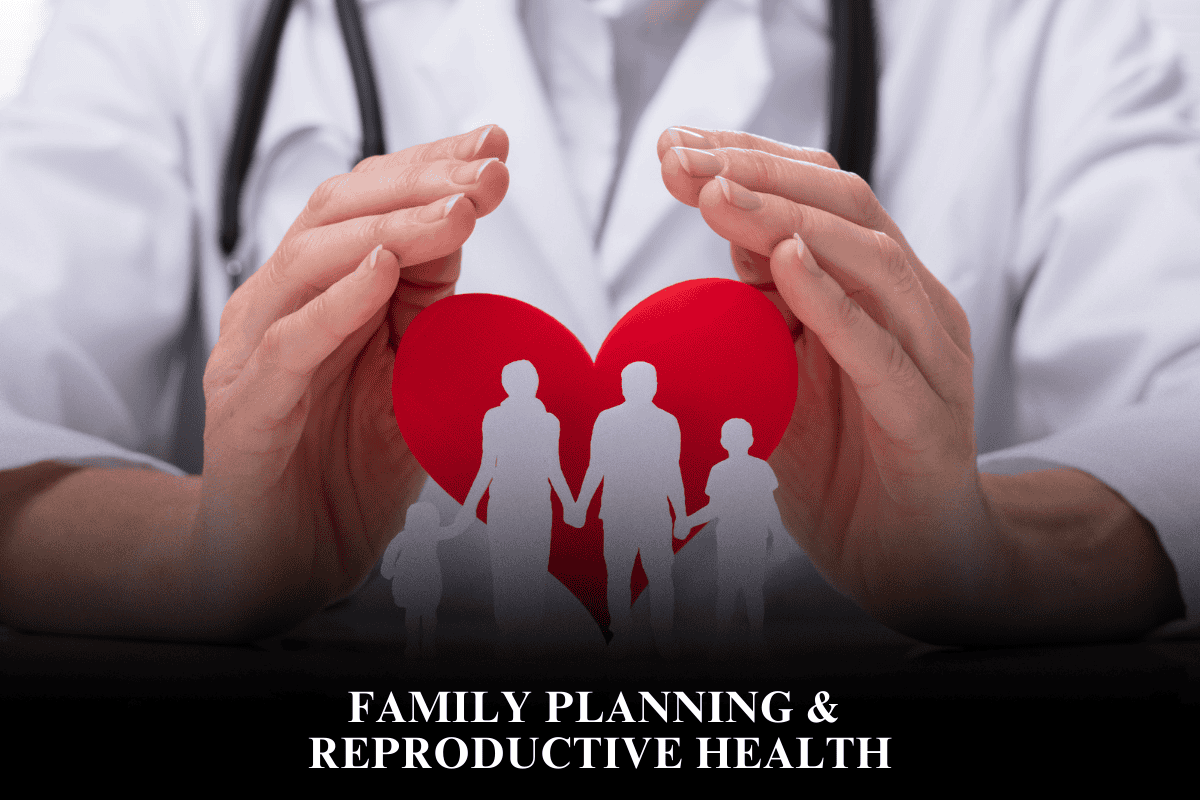
Family planning and reproductive health are vital components of individual and public health, empowering people to make informed decisions about if and when to have children, thereby improving health outcomes and quality of life.
Family Planning & Reproductive Health
Importance of Family Planning
- Family planning enables individuals and couples to determine the number and spacing of their children intentionally.
- It reduces the risks associated with unintended pregnancies, including maternal mortality, unsafe abortions, and adverse infant health outcomes.
- Proper spacing between pregnancies improves maternal recovery and increases the likelihood of healthy pregnancies and babies.
- Access to family planning promotes gender equality by giving women greater control over their reproductive health, supporting educational and economic opportunities.
- It eases social, economic, and environmental pressures by helping manage population growth sustainably.
Key Family Planning Methods
- Contraceptive Methods: Includes barrier methods (condoms, diaphragms), hormonal methods (pills, injections, implants), intrauterine devices (IUDs), and permanent methods like sterilization.
- Fertility Awareness: Methods that involve tracking ovulation cycles to identify fertile days, helping to plan or avoid pregnancy naturally.
- Emergency Contraception: Used after unprotected intercourse to prevent pregnancy.
- Counseling and Education: Informing individuals about reproductive health, contraceptive options, and safe sexual practices.
Benefits Beyond Reproductive Health
- Reduces the spread of sexually transmitted infections by encouraging condom use.
- Helps reduce infertility rates by promoting reproductive health care.
- Contributes to better health infrastructure and services through integrated family planning and maternal-child health programs.
Supporting Family Planning & Reproductive Health
- Providing confidential, culturally sensitive counseling and services.
- Ensuring availability and affordability of contraceptives.
- Integrating family planning with nutrition, HIV prevention, and maternal health services.
- Promoting education and awareness about reproductive rights and health.
Frequently Asked Questions (FAQ)
Q: Why is family planning important for maternal health?
A: It reduces risks of complications and allows sufficient recovery time between pregnancies for healthier outcomes.
Q: What are common family planning methods?
A: Hormonal contraceptives, barrier methods, IUDs, sterilization, and natural fertility awareness methods.
Q: How does family planning influence socioeconomic status?
A: By enabling family size control, it improves access to education, employment, and resources, benefiting individuals and communities.
Q: Can men participate in family planning?
A: Yes, men play crucial roles as partners and users of contraceptive methods, promoting shared responsibility.
Q: How is family planning integrated with other health services?
A: It is often combined with maternal care, immunization, nutrition, and HIV prevention programs for comprehensive health.