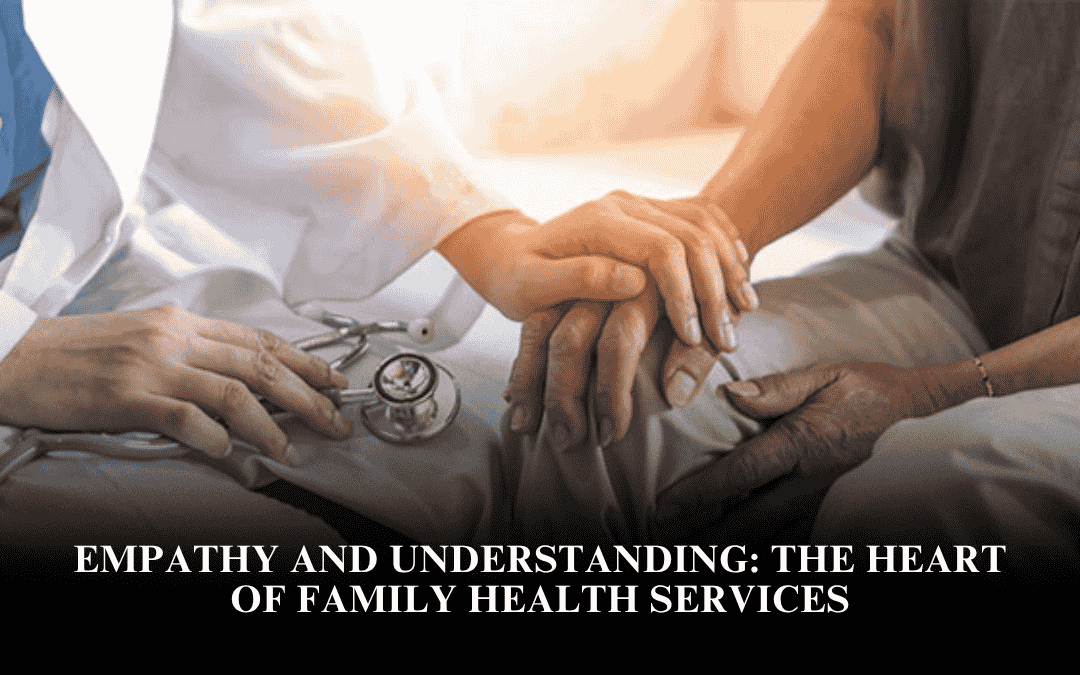
Empathy and understanding form the foundation of quality healthcare, especially within family health services.
When healthcare professionals listen with compassion and respond with sensitivity, they build trust, encourage open communication, and create a healing environment for patients of all ages.
Family health care isn’t just about diagnosing and treating illness—it’s about caring for the person as a whole, supporting both physical and emotional well-being.
The Power of Empathy in Family Healthcare
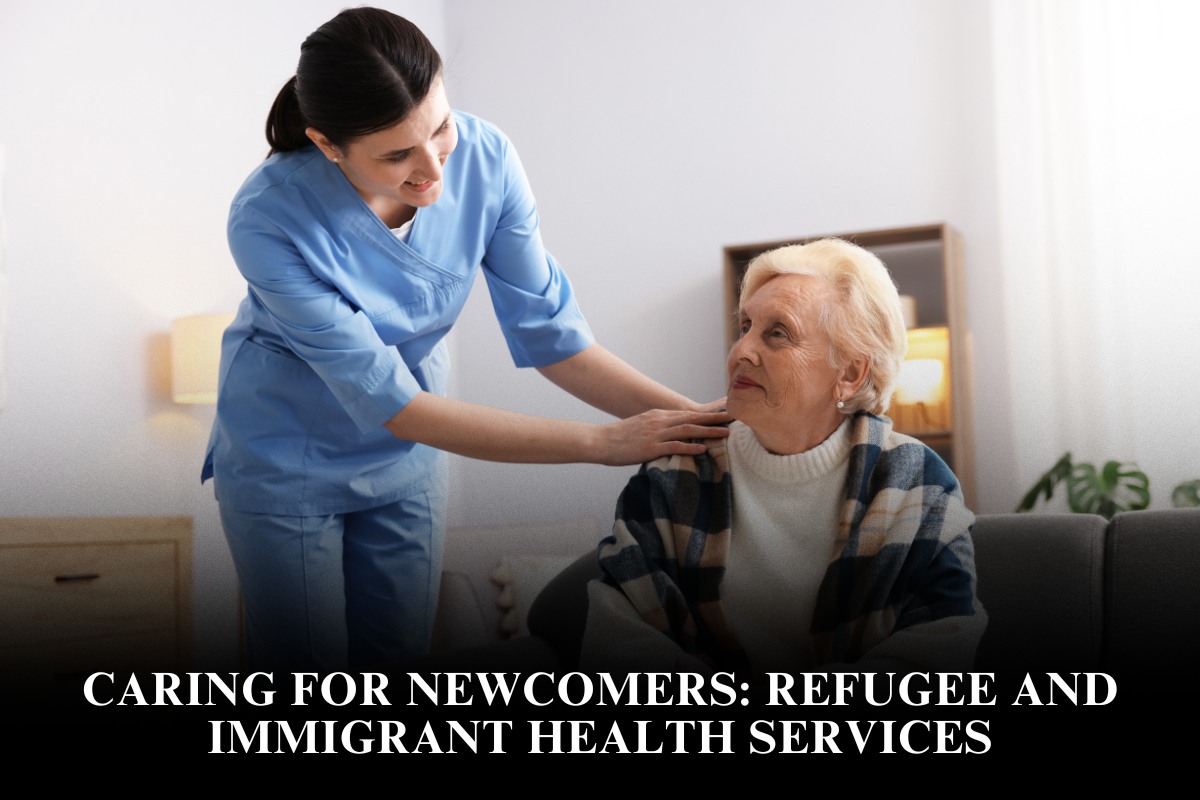
Empathy allows healthcare providers to truly connect with patients by seeing the world through their eyes. In family health services, this emotional intelligence is essential because providers often care for multiple generations within the same family.
Whether treating a newborn, a parent, or a grandparent, empathy helps providers understand each individual’s unique concerns and life circumstances.
When healthcare professionals show genuine empathy, patients are more likely to share honest information about their symptoms, lifestyle, and challenges. This openness leads to more accurate diagnoses, personalized treatment plans, and better long-term outcomes.
Empathy transforms a routine appointment into a compassionate partnership focused on health and trust.
Understanding Family Dynamics in Healthcare
Family health services require an understanding of how family relationships, culture, and environment affect health. For example, a child’s anxiety might be linked to family stress, or an elderly patient’s recovery may depend on the level of family support available at home.
Recognizing these dynamics allows providers to create care plans that address not only individual medical needs but also the broader context of family life.
In the U.S., where family structures are diverse and multicultural, understanding cultural values and communication styles is key. Culturally competent care respects traditions, language preferences, and personal beliefs—ensuring that every family feels understood and valued.
Building Trust Through Communication and Compassion
Trust is the cornerstone of family health care. Families are more likely to follow treatment recommendations and attend follow-up appointments when they feel their healthcare providers genuinely care about their well-being. Simple gestures—like active listening, clear explanations, and a warm tone—can make a lasting impact.
Empathy-driven communication also helps reduce anxiety during stressful times, such as managing chronic illness or navigating difficult diagnoses. When healthcare teams communicate with compassion, they foster hope, confidence, and healing for the entire family.
The Lasting Impact of Empathy
Empathy and understanding go beyond bedside manner—they influence patient outcomes, satisfaction, and even the reputation of healthcare organizations.
Clinics that prioritize compassionate care often see fewer complaints, stronger provider-patient relationships, and improved overall wellness in the communities they serve.
By placing empathy and understanding at the heart of family health services, healthcare providers create a culture where patients are not just treated—but truly cared for.
Frequently Asked Questions (FAQ)
1. What does empathy mean in family health care?
Empathy means recognizing and understanding a patient’s emotions, experiences, and needs, then responding with compassion and respect.
2. Why is empathy important in family medicine?
Empathy builds trust, encourages honest communication, and helps healthcare providers deliver personalized and effective care for the entire family.
3. How do healthcare providers show understanding toward families?
They take time to listen, learn about family dynamics, respect cultural differences, and include family members in care decisions.
4. Can empathy improve patient outcomes?
Yes. Studies show that empathetic communication improves treatment adherence, satisfaction, and overall health outcomes.
5. How can families benefit from empathetic healthcare?
Families experience better coordination of care, reduced stress, and stronger partnerships with healthcare providers who genuinely value their well-being.