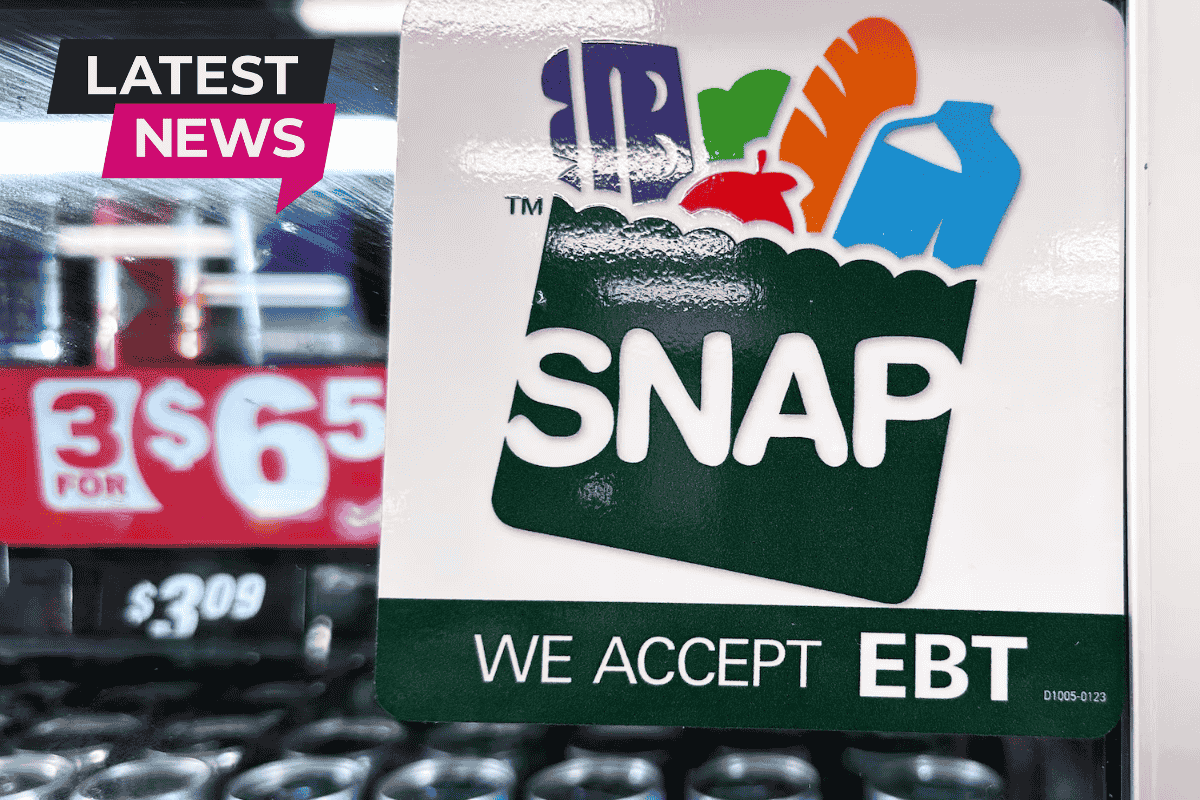
The ongoing legal fight over SNAP (Supplemental Nutrition Assistance Program) benefits during the US government shutdown has left millions of families confused, with states and federal agencies giving conflicting directions.
SNAP Benefit Confusion Amid Legal Clash
SNAP, which provides food benefits to low-income families, became a central issue after a court ordered the federal government to continue full funding during the November 2025 shutdown. But the Trump administration challenged that order, leading to a messy situation where many states began issuing benefits, only to be told to stop.
What Happened and Why It Matters
A U.S. judge ruled on October 31 that the government must continue paying full SNAP benefits. Some states acted quickly and started sending funds to recipients. But as the Trump administration appealed the ruling, the USDA (United States Department of Agriculture) issued mixed instructions—first telling states to prepare for full payments, then asking them to cancel those actions the very next day.
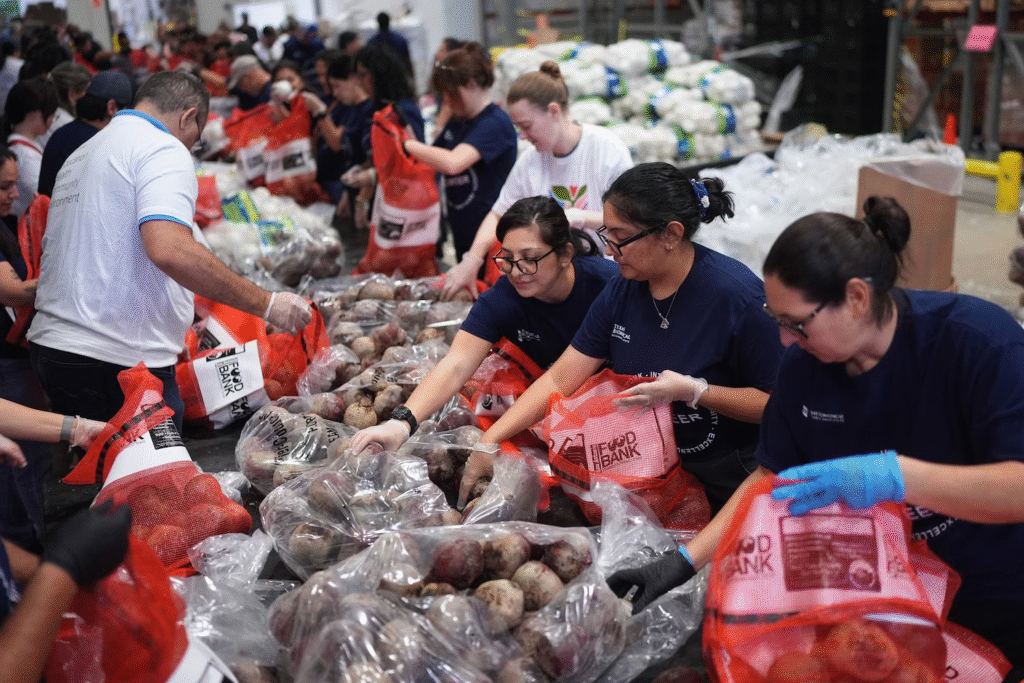
This back-and-forth has left states confused and families unsure whether their food benefits will arrive on time.
Key Dates in the Legal Dispute
| Date | Event |
|---|---|
| Oct 31 | Judge orders Trump admin to continue full SNAP funding. Trump says he supports it. |
| Nov 1 | Judge reaffirms the order with deadlines for payments. |
| Nov 3 | Trump admin says only partial SNAP funding will be provided. |
| Nov 4 | Trump links funding to Democrats reopening the government. |
| Nov 6 | Judge orders full payment again; states begin issuing benefits. |
| Nov 6 | Trump files an appeal. |
| Nov 7 | USDA tells states to proceed with full benefits. |
| Nov 7 | Supreme Court puts a temporary hold on full funding. |
| Nov 8 | USDA reverses position, tells states to undo SNAP payment actions. |
| Nov 9 | DOJ blames states for acting early and warns of consequences. |
States That Issued or Began Issuing Full SNAP Benefits
Despite the legal confusion, at least 20 U.S. states moved forward with full SNAP benefit payments before the Supreme Court’s temporary stay. Here are some key examples:
- California: Started payments to 5.5 million recipients on Nov 6.
- Kansas: Issued $31.6 million to 86,000 households.
- Pennsylvania: Full benefits made available immediately on Nov 7.
- Wisconsin: Sent $104.4 million to over 337,000 households.
- Vermont: Benefits reached 67,000 recipients by end of day.
- New Jersey: Processed benefits for 800,000 people.
- Hawaii: Quickly acted after court order to send full benefits.
- Oregon & Washington: Both issued benefits over the weekend.
- Colorado: Sent full benefits to 32,000 recipients before the court stay.
- Massachusetts: Half a million residents received benefits, more pending.
- Rhode Island, New Hampshire, Connecticut, New York: All issued full benefits by Nov 9.
- Minnesota, North Carolina, South Dakota: Began or prepared to issue benefits but paused after Supreme Court’s ruling.
- Arizona: Payments started on Friday, with more to follow.
- Michigan: Full SNAP benefits issued successfully.
What SNAP Recipients Need to Know
If you are a SNAP recipient in the U.S., here are some key points to remember:
- Payments may be delayed or partially sent depending on your state.
- Some states already issued full benefits before the court put a temporary hold.
- The situation is still developing, and final decisions will depend on further legal rulings.
- If your state issued benefits early, you may receive them sooner, but future payments could be uncertain.
Why This Matters
Millions of Americans depend on SNAP to feed their families. Delays or confusion in payment can mean real hardship. The legal fight highlights how political disputes can directly affect people’s daily lives, especially when it comes to essential needs like food.
The SNAP funding battle during the November 2025 government shutdown has created a wave of uncertainty for families, states, and federal agencies. While courts have tried to enforce full payments, political resistance and legal appeals have complicated the process.
For now, recipients are urged to stay updated through their state SNAP offices and prepare for possible delays. As the case continues, it’s a reminder of how crucial stable support systems are for vulnerable communities.
FAQs
1. Will SNAP benefits be delayed this month (November 2025)?
Yes, in many states, SNAP benefits may be delayed due to ongoing court cases and federal appeals.
2. Why did some states send SNAP benefits early?
After a court ordered full funding, over 20 states began issuing payments before the Supreme Court put the order on hold.
3. Can the federal government stop states from issuing SNAP payments?
Yes, the USDA warned states not to send full benefits after the Supreme Court’s administrative stay and said states could be responsible for overpayments.
4. Which states have already sent full SNAP benefits?
States like California, Wisconsin, Pennsylvania, and New Jersey are among those that issued full benefits before the ruling pause.
5. When will the final decision be made?
The legal process is still ongoing. More clarity is expected once higher courts rule on the appeal. States and recipients are advised to stay updated through official sources.