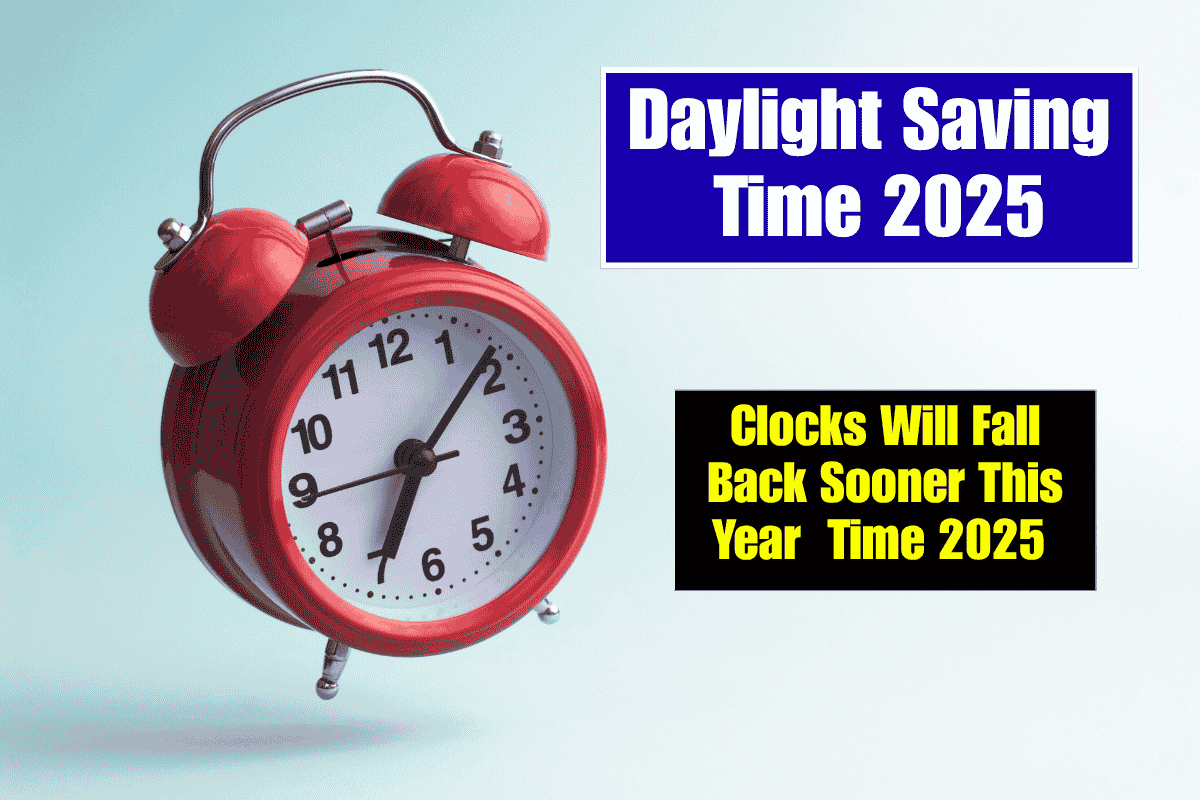
As the days grow shorter and cooler, it’s time once again for that familiar autumn ritual in the United States—turning the clocks back. Daylight Saving Time (DST) ends on Sunday, November 2, 2025, at 2:00 a.m., and clocks will “fall back” one hour to return to Standard Time.
While this may sound like a simple switch, it actually affects your body, mood, and even safety in ways that often go unnoticed.
Here’s everything you need to know about the end of Daylight Saving Time in 2025—and how to adjust smoothly.
What Happens When Daylight Saving Time Ends
When DST ends, most people get an extra hour of sleep—or so it seems. At 2:00 a.m., clocks are set back to 1:00 a.m. Again. While phones, laptops, and smartwatches will update on their own, you’ll need to manually reset wall clocks, microwaves, ovens, and car displays.
To avoid any early morning confusion on Sunday, many people reset their clocks before going to bed on Saturday night.
How It Affects Your Body and Mind
You might think gaining an hour of sleep would make things easier, but even small changes in your sleep-wake cycle can throw off your internal body clock, also known as your circadian rhythm.
Common effects include:
- Feeling tired or groggy, especially in the evenings
- Irritability or mood swings
- Difficulty falling asleep or waking up on time
- Worsening of Seasonal Affective Disorder (SAD) for some people
Although falling back is easier on the body than springing forward, it can still take a few days for your system to fully adjust.
Simple Sleep Tips to Help You Adjust
Want to make the switch smoother? Sleep experts recommend easing into it with these helpful habits:
- Go to bed 15–20 minutes earlier for a few nights before the time change
- Wake up at the same time every day, even on weekends
- Get sunlight in the morning to reset your body clock
- Avoid screen time (like phones or laptops) before bed
- Limit caffeine and heavy meals in the evening
- Take short power naps (under 20 minutes) if you’re feeling tired during the day
Consistency is key—your body loves a steady routine, especially when it comes to sleep.
Why Safety Becomes a Concern
With the clock change comes earlier sunsets, which means darker evenings. That shift can affect how alert you are behind the wheel and how easily drivers spot pedestrians or cyclists.
To stay safe:
- Try to finish errands before it gets dark
- Be alert for pedestrians, especially children, during early evening commutes
- If you’re walking or biking, wear bright or reflective clothing
- Be extra careful while driving during the first week after the time change
Fire departments also recommend using this time change as a reminder to:
- Test smoke alarms
- Replace batteries in smoke and carbon monoxide detectors
It’s a small task that could save lives.
Regions That Don’t Observe Daylight Saving Time
Not every U.S. state follows Daylight Saving Time.
These regions stay on Standard Time all year:
- Arizona (except for the Navajo Nation)
- Hawaii
- U.S. territories like Puerto Rico, Guam, and the U.S. Virgin Islands
While the Sunshine Protection Act—which aimed to make DST permanent—was passed by the Senate in 2022, it still hasn’t become law. So for now, the clock-changing tradition continues.
How to Make the Most of the Extra Hour
Here are a few useful things to do with that extra hour—and why they matter:
| Task | Why It Helps |
|---|---|
| Set clocks back 1 hour | Avoid confusion and missed appointments |
| Test smoke and CO detector alarms | Ensure safety in case of fire or gas leaks |
| Go to bed slightly earlier | Eases your body into the time shift |
| Let sunlight into your room early | Helps reset your circadian rhythm |
| Avoid screens before sleep | Supports better quality sleep |
While the end of Daylight Saving Time may seem minor, it can quietly affect your sleep, mood, and even daily safety. But with a little preparation—like adjusting your bedtime, checking your alarms, and soaking in that morning sunlight—you can transition smoothly and start the darker months feeling refreshed and alert.
Think of it not just as gaining an hour, but as a chance to reset, recharge, and take small steps toward a healthier routine.
FAQs
When does Daylight Saving Time end in 2025?
It ends on Sunday, November 2, 2025, at 2:00 a.m., when clocks move back one hour.
Why do we turn the clocks back?
To return to Standard Time, giving brighter mornings in winter. DST is used to make better use of daylight in summer.
How can I adjust my sleep for the time change?
Go to bed 15–20 minutes earlier a few days before the change, keep a consistent wake time, and get morning sunlight.
Do all states follow Daylight Saving Time?
No. Arizona (except the Navajo Nation) and Hawaii do not follow DST. Territories like Puerto Rico and Guam also opt out.
Are there safety concerns after the time change?
Yes. Darker evenings can raise accident risks. Be alert while driving, wear reflective gear, and check your smoke detectors.