In the fast-paced environment of healthcare, communication plays a vital role in ensuring patient safety and quality outcomes. Every interaction—whether between doctors, nurses, patients, or support staff—can have a significant impact on the effectiveness of care.
Inaccurate or incomplete communication is one of the leading causes of preventable medical errors in hospitals. Building systems that prioritize clarity, accuracy, and collaboration can make hospitals safer for everyone.
The Importance of Accurate Communication in Healthcare
Accurate communication is fundamental to safe patient care. When information about a patient’s condition, medication, or treatment plan is misinterpreted or not shared promptly, it can lead to errors, delays, or even harm.
For example, unclear handwriting, incorrect dosage instructions, or incomplete patient handoffs can have serious consequences. Establishing clear communication protocols helps ensure that vital information is transmitted correctly between all members of the care team.
Reducing Medical Errors Through Clear Information Exchange
A large percentage of hospital errors are caused by miscommunication. By implementing structured communication tools like SBAR (Situation, Background, Assessment, Recommendation), hospitals can create a standardized way for staff to share critical information.
Electronic Health Records (EHRs) also help centralize patient data, reducing the risk of missing or inconsistent information. Regular team briefings and debriefings can further ensure that everyone involved in a patient’s care is informed and aligned.
Enhancing Patient Safety with Language and Cultural Support
In diverse hospital settings, language barriers can pose significant risks to patient safety. Providing professional medical interpreters and translated materials ensures that patients fully understand their diagnoses, medications, and treatment plans.
Cultural competence training for healthcare workers also helps staff communicate with empathy and sensitivity, improving patient trust and engagement. When patients feel understood, they are more likely to follow medical advice and report issues early.
Fostering Teamwork and Collaboration
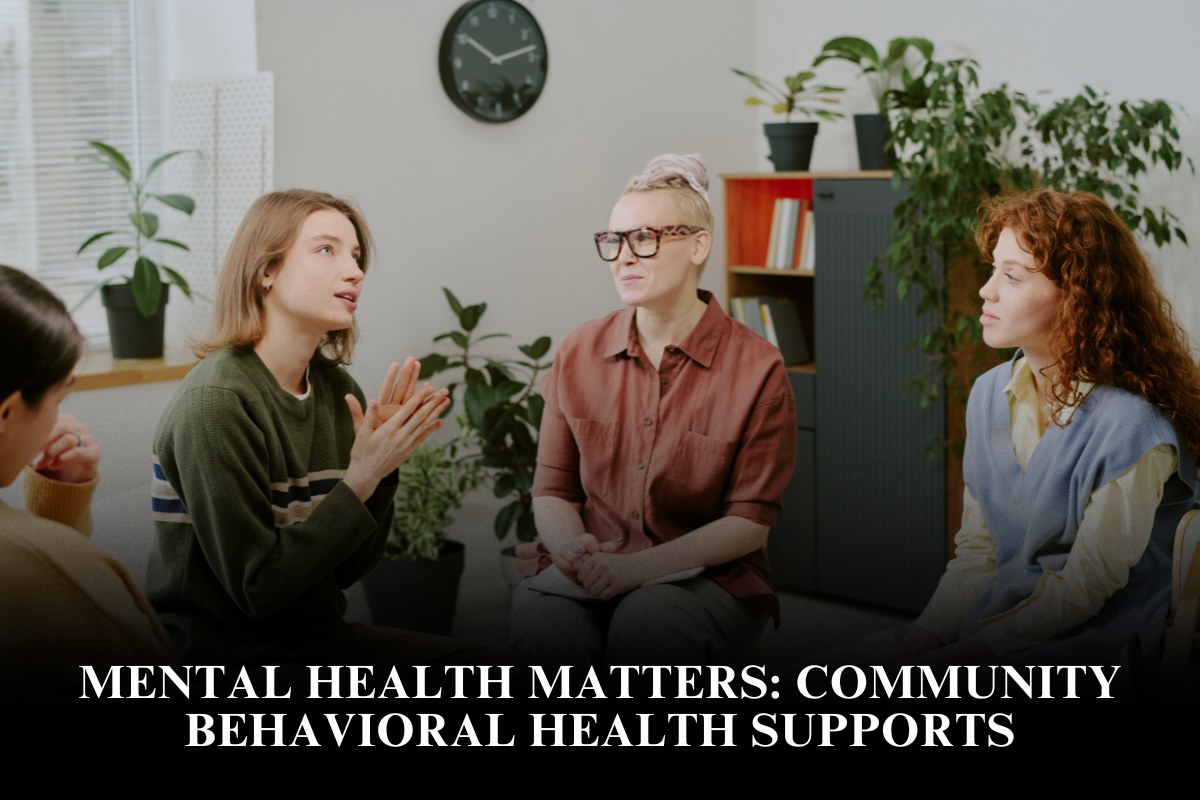
A culture of open communication among healthcare professionals is essential for patient safety. Encouraging staff to speak up about potential errors or concerns creates a proactive safety culture.
Hospitals that promote teamwork and mutual respect among staff experience fewer errors and better outcomes. Regular training sessions and simulation exercises can strengthen team coordination, especially in high-pressure situations like surgeries or emergencies.
Leveraging Technology for Better Communication
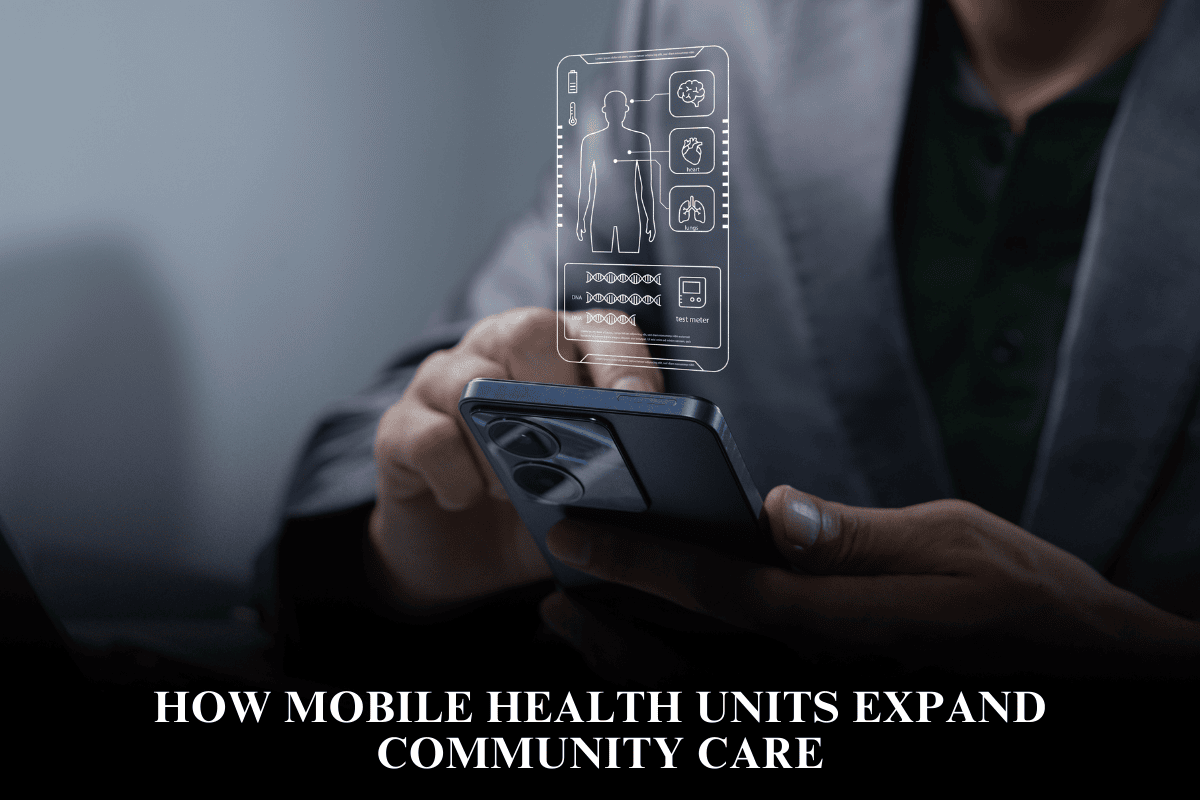
Modern technology plays an increasingly important role in hospital communication. Secure messaging systems, digital checklists, and real-time alerts help ensure that critical information reaches the right people at the right time.
Telehealth platforms also support clear communication between patients and providers, even outside the hospital setting. By embracing digital tools, hospitals can enhance accuracy, efficiency, and overall patient care quality.
Frequently Asked Questions (FAQ)
1. Why is accurate communication important in hospitals?
Because clear, timely communication prevents medical errors, enhances coordination, and ensures that patients receive the right treatment at the right time.
2. What are common causes of communication errors in healthcare?
Misunderstandings during shift changes, unclear documentation, language barriers, and lack of standardized communication procedures are common causes.
3. How can hospitals improve communication among staff?
By using structured communication tools like SBAR, encouraging teamwork, providing regular training, and adopting digital communication platforms.
4. What role does technology play in improving hospital communication?
Technology enables real-time information sharing, reduces paperwork errors, and allows for better coordination through secure digital platforms.
5. How does communication affect patient safety?
Accurate communication ensures that patients fully understand their care, follow treatment plans correctly, and experience fewer complications, leading to safer and more effective hospital experiences.