Building healthier families in the United States increasingly revolves around strengthening understanding, communication, and collaboration between family members and the community.
Family education programs and evidence-based parenting support initiatives play a vital role in promoting child development, mental wellness, and stronger relationships at home.
This holistic approach benefits not only individual families but also the broader society by nurturing responsible, resilient citizens.
Evidence-Based Family Support Programs
Programs like the Strengthening Families Program (SFP) offer evidence-based family skills training to improve positive parenting, family bonding, and youth development.
SFP provides classes for parents and children that focus on essential skills such as communication, anger management, and monitoring. Research demonstrates that families participating in SFP show less conflict, improved cooperation, and better mental health outcomes for youth.
The program has been successfully implemented in all 50 states, proving versatile across diverse populations.
The Role of Family Engagement in Education
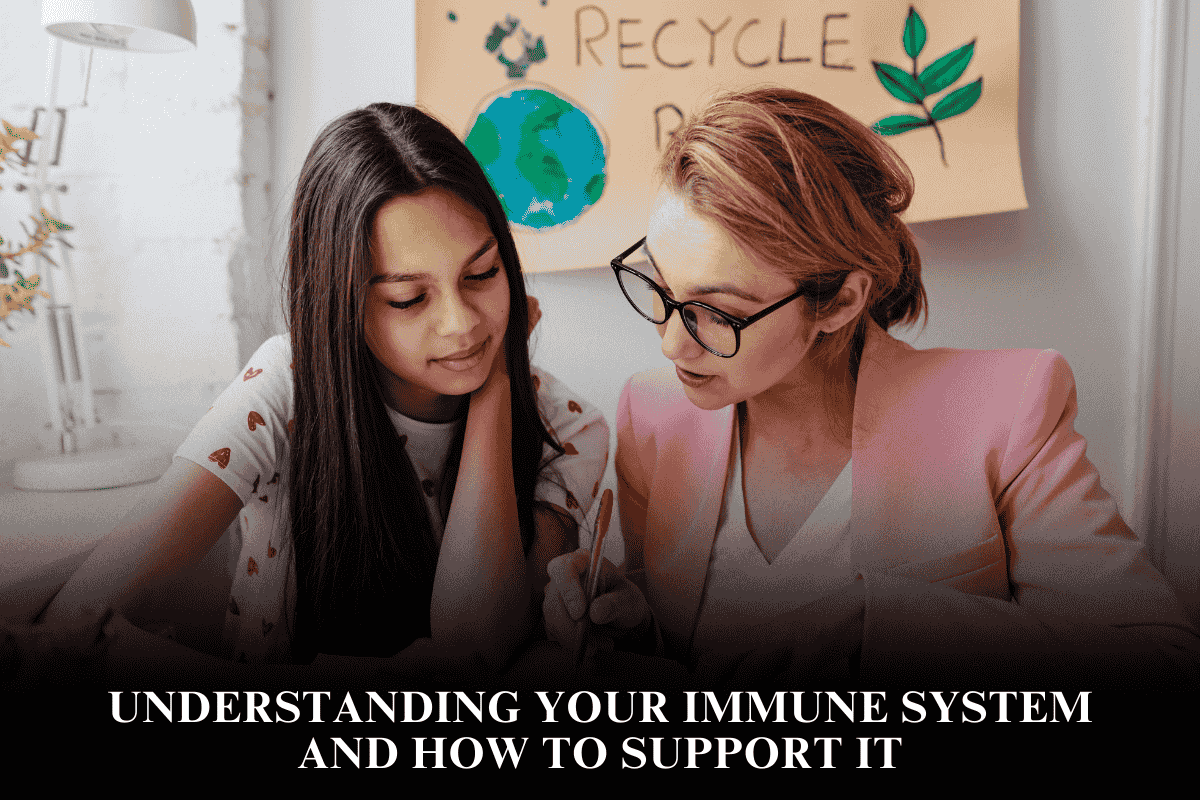
Family engagement is a critical component of building healthier families. National efforts advocate for closer collaboration between families, schools, and communities to support education and child development.
Activities encouraging parents’ involvement in learning, coupled with resources to navigate educational challenges, contribute to better student outcomes and parent-child relationships.
Virtual events, resource calendars, and webinars emphasize strategies to foster inclusive family participation in schools.
Parenting Education for Today’s Challenges
Modern parent education programs equip caregivers with tools to navigate complex family dynamics, mental health concerns, and social pressures. These programs focus on promoting healthy family relationships, managing stress, and fostering resilience in children.
Universities and extension programs provide accessible courses that strengthen parenting skills and support children’s holistic growth in changing social contexts.
Community and Home Visiting Programs
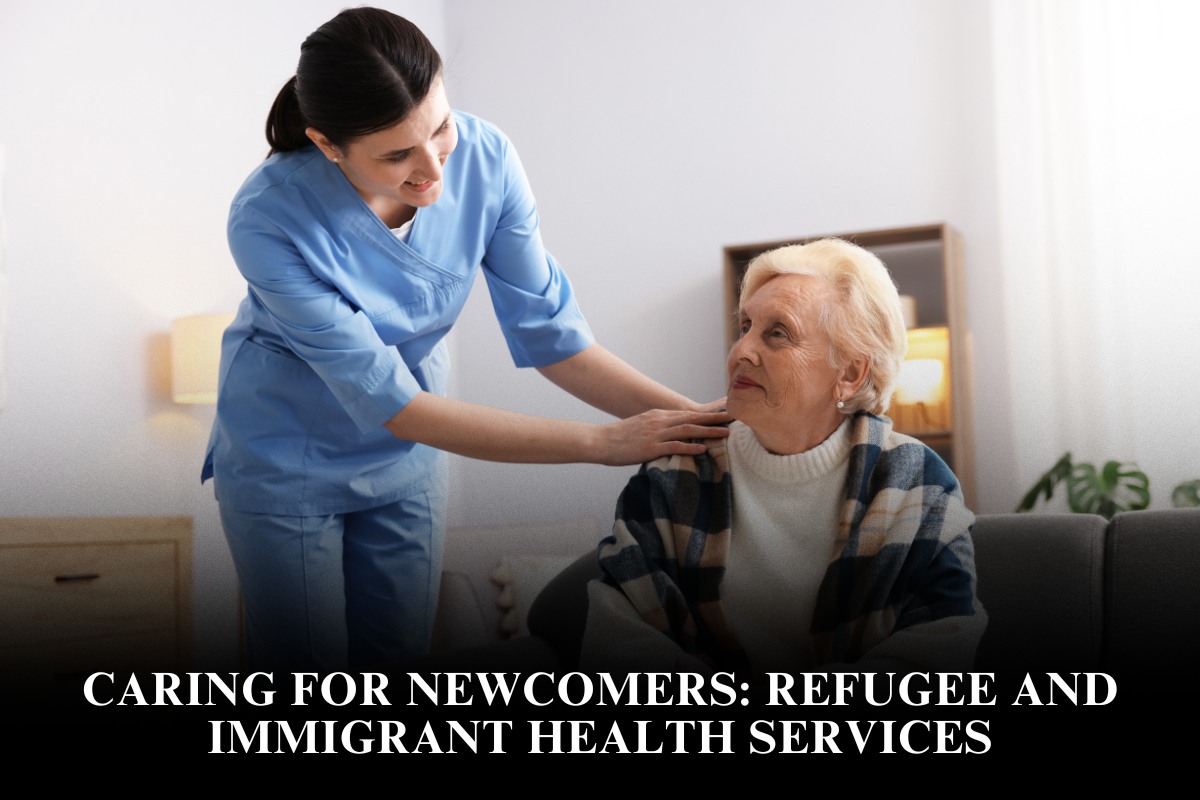
Community-based home visiting programs provide direct support to families, especially those with young children or at higher risk. These programs deliver personalized education, developmental screenings, and connections to health and social services.
By fostering trusting relationships with trained professionals visiting families at home, they improve early childhood outcomes and family well-being comprehensively.
FAQs
What are effective programs for building healthier families?
Evidence-based programs like the Strengthening Families Program, family engagement initiatives in education, and community home visiting programs have proven effectiveness in promoting family cohesion, positive parenting, and child development.
How does family engagement impact children’s education?
When families collaborate with schools and actively participate in their children’s learning, educational outcomes improve. Strong family-school partnerships foster supportive environments that enhance academic success and social-emotional development.
What challenges do modern families face and how can education help?
Families today face stressors like social change, mental health issues, and complex parenting demands. Parenting education programs help caregivers develop skills to manage these challenges, strengthen family bonds, and promote healthy child development.
How do community programs support family health?
Community programs, especially home visiting services, provide tailored support through education, health screenings, and referrals. They strengthen family resilience by addressing needs early, improving access to resources, and building trust with families.