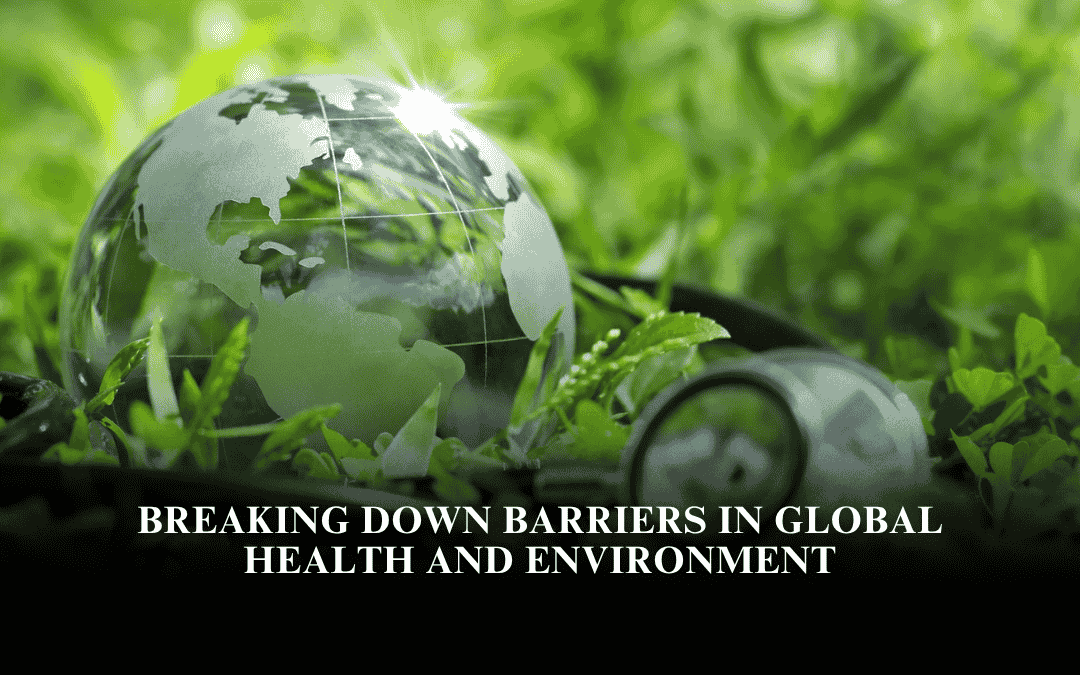
The United States plays a pivotal role in global health and environmental initiatives, striving to break down barriers to improve health outcomes and address critical environmental challenges worldwide.
Despite recent policy shifts and budgetary changes, U.S. efforts remain focused on strategic partnerships, innovation, and sustainability in tackling infectious diseases, health security, and environmental resilience.
U.S. Global Health Strategy and Initiatives
In 2025, the U.S. government unveiled its “America First Global Health Strategy,” emphasizing a shift towards bilateral agreements with partner countries to promote self-reliance in managing health programs.
The strategy maintains focus on combating major infectious diseases such as HIV, tuberculosis, malaria, and polio while strengthening global health security measures.
Despite significant proposed cuts in global health funding—from approximately $10 billion in 2025 to under $3.8 billion in 2026—the U.S. is committed to continuing life-saving programs by prioritizing frontline healthcare workers, essential commodities, and data systems that ensure effective disease surveillance and response.
The strategy aims to balance American interests with global health needs through coordinated government-to-government collaborations, reducing reliance on traditional non-governmental organizations (NGOs).
Environmental Health and Sustainability Efforts
The U.S. addresses the intersection of health and environment through initiatives targeting environmental determinants of disease, climate resilience, and sustainable development.
Programs under agencies like the Department of State and Environmental Protection Agency integrate diplomacy and science to support global actions against pollution, deforestation, and biodiversity loss, which directly impact public health.
Strategies prioritize strengthening local capacity to respond to environmental crises that exacerbate health disparities around the world.
Challenges and Forward Outlook
Significant challenges include navigating the tension between domestic policy priorities and global health obligations while managing reduced budgets.
The dismantling of USAID and restructuring of global health diplomacy illustrate a reorientation towards more direct governmental control and private sector engagement but risk disrupting long-standing partnerships and frontline service delivery in vulnerable countries.
The new strategy calls for innovative co-investment models where recipient countries gradually assume more responsibility for health financing and program implementation.
However, the U.S. remains a leader in biomedical research, global health security frameworks, and environmental science, fostering collaborations that break scientific and geopolitical barriers.
Ongoing focus on pandemic preparedness, infectious diseases, and climate change mitigation exemplifies how the U.S. integrates advanced science with policy to address global health and environmental challenges.
FAQs
What is the America First Global Health Strategy?
It is the 2025 U.S. government approach toward global health that emphasizes bilateral partnerships with countries, focusing on major infectious diseases and health security, aiming to promote self-reliance while aligning with American interests.
How is U.S. funding for global health changing?
Funding is proposed to decrease significantly by 2026, prioritizing essential healthcare delivery and surveillance while reducing support for programs deemed less critical to U.S. safety. This shift includes cutting back aid through NGOs and increasing government-to-government agreements.
How does the U.S. address environmental health globally?
Through diplomatic and scientific initiatives that tackle pollution, climate change, and sustainable development, the U.S. supports building local capacities to manage environmental risks that impact health worldwide.
What challenges does the U.S. face in global health efforts?
Challenges include budget cuts, restructuring of aid delivery, and balancing domestic priorities with global health needs. These changes risk disrupting services and require new financing models for long-term sustainability.
How does the U.S. contribute to global health research and innovation?
The U.S. leads in biomedical research, pandemic preparedness, and developing health security systems, ensuring ongoing collaboration across nations to overcome global health and environmental challenges.