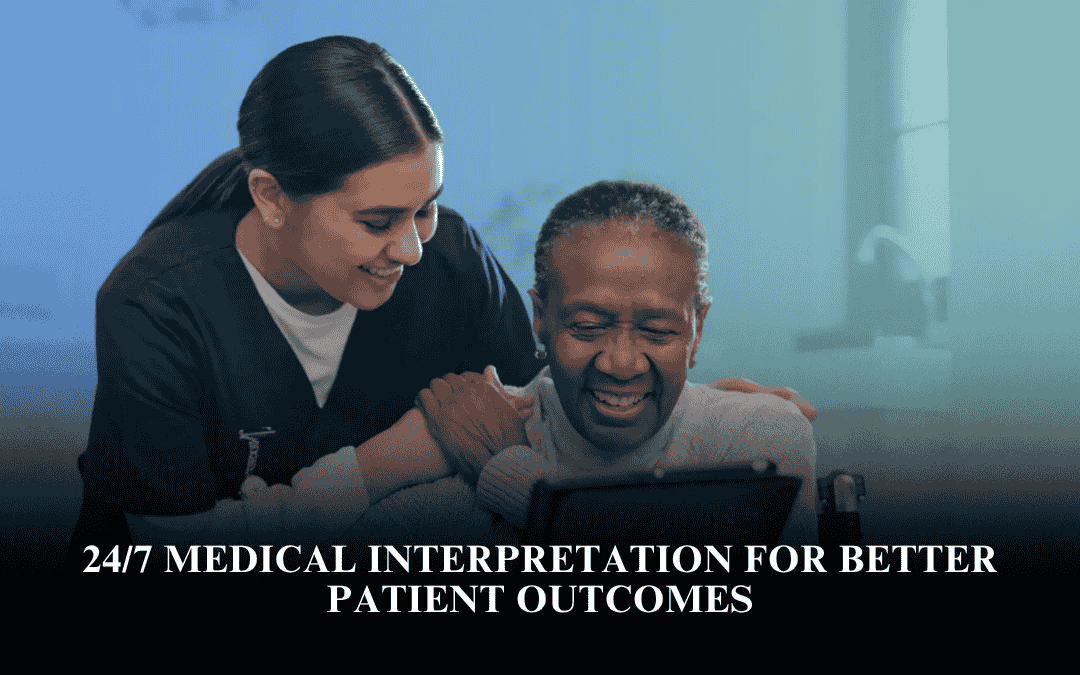
In an increasingly diverse healthcare landscape, effective communication is essential to providing safe and equitable care. In the United States, millions of patients have limited English proficiency (LEP), and language barriers can lead to misunderstandings, misdiagnoses, and poor health outcomes.
Providing 24/7 medical interpretation services ensures that patients receive accurate, timely, and compassionate care at any hour, improving overall patient outcomes and satisfaction.
The Importance of Around-the-Clock Language Support
Healthcare emergencies can happen at any time—day or night. Patients who do not speak English fluently often face added stress during medical visits, especially in urgent situations.
By offering 24/7 access to professional medical interpreters, hospitals ensure that every patient can communicate effectively with healthcare providers, regardless of the time or setting.
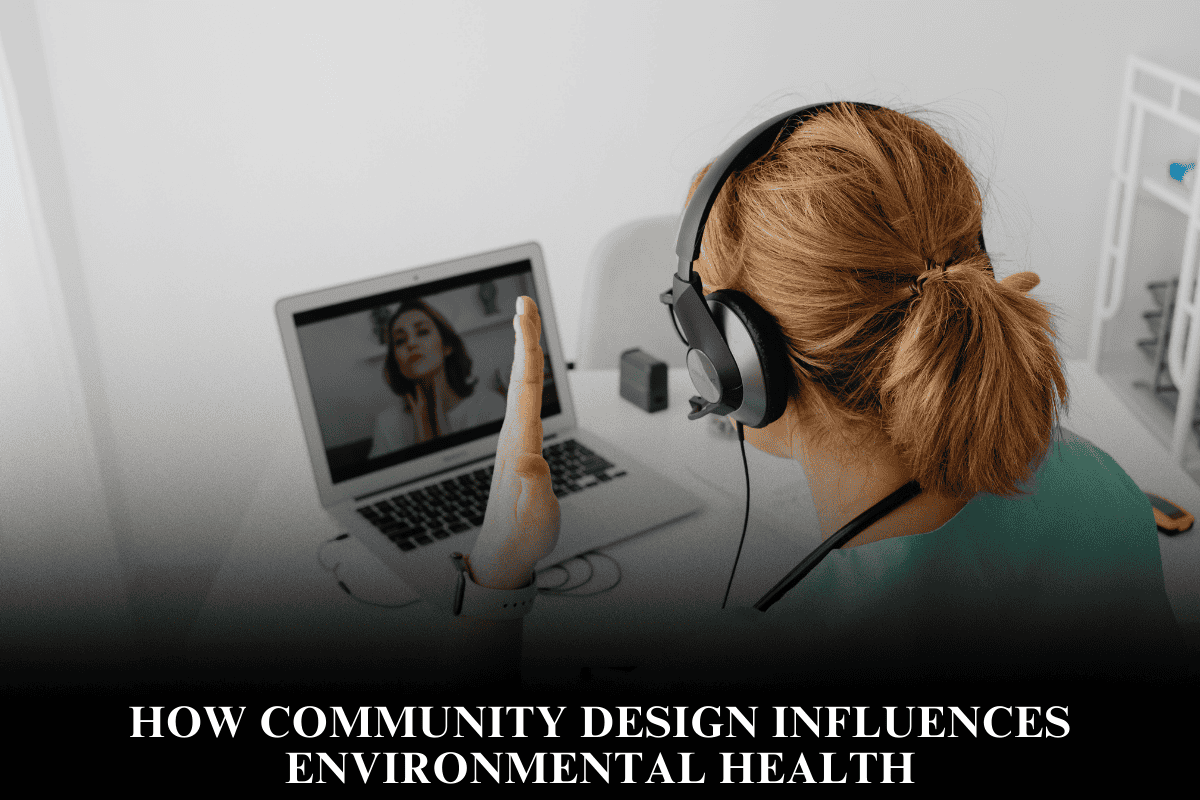
Whether through in-person, video remote, or phone interpretation, continuous language access enhances understanding and reduces delays in treatment.
Improving Accuracy and Reducing Medical Errors
Accurate communication between patients and clinicians is crucial for correct diagnosis and treatment. In emergency rooms or late-night care settings, even minor misunderstandings can lead to serious errors.
Around-the-clock interpretation ensures that healthcare teams can obtain accurate patient histories, explain procedures, and confirm consent without confusion.
Trained medical interpreters are skilled in medical terminology and cultural nuances, reducing the risk of miscommunication and ensuring safer, more precise care.
Enhancing Patient Trust and Satisfaction
When patients feel heard and understood, they are more likely to trust their healthcare providers and follow treatment plans. Access to 24/7 medical interpretation fosters confidence, especially among non-English-speaking patients who might otherwise feel isolated or anxious.
Hospitals that invest in continuous interpretation services demonstrate cultural sensitivity and inclusiveness—qualities that build long-term trust and improve community relationships. This trust directly contributes to higher patient satisfaction scores and better care experiences.
Supporting Legal Compliance and Equity in Healthcare
U.S. hospitals are legally obligated to provide meaningful language access to patients with LEP under Title VI of the Civil Rights Act and Section 1557 of the Affordable Care Act.
Offering 24/7 medical interpretation helps hospitals meet these federal requirements, ensuring compliance while promoting fairness and equality in healthcare delivery.
Consistent access to interpreters also supports ethical standards by ensuring all patients receive the same level of care, regardless of language or background.
Increasing Efficiency and Reducing Costs
Timely interpretation prevents delays in care, repeat visits, and unnecessary diagnostic testing. When patients understand their treatment plans clearly, they are more likely to adhere to medications and follow-up appointments.
This reduces hospital readmissions and improves operational efficiency. Over time, investing in 24/7 interpretation services leads to significant cost savings and improved overall care coordination.
Frequently Asked Questions (FAQ)
1. What is 24/7 medical interpretation?
It refers to providing professional language interpretation services at all hours—day and night—so patients can communicate effectively with healthcare providers anytime.
2. How are 24/7 interpretation services delivered?
They can be provided in-person, through over-the-phone interpretation (OPI), or via video remote interpretation (VRI), depending on hospital resources and patient needs.
3. Why is round-the-clock interpretation important in hospitals?
Because emergencies can happen anytime, and timely communication can be the difference between life and death. Continuous access ensures no patient is left without understanding their care.
4. Who provides medical interpretation services?
Certified medical interpreters who are trained in healthcare terminology and confidentiality standards deliver these services professionally and accurately.
5. How do 24/7 interpretation services improve outcomes?
They enhance communication, reduce errors, build trust, and ensure every patient receives equitable, high-quality care—leading to better health outcomes and overall satisfaction.