Medical emergencies require quick thinking, clear communication, and accurate decision-making. In the United States, where millions of patients have limited English proficiency (LEP), language barriers can turn life-threatening situations into communication crises.
In such moments, medical interpreters play a crucial role in bridging the gap between healthcare providers and patients, ensuring that no critical information is lost in translation.
Ensuring Accurate Communication Under Pressure
During emergencies, every second counts. Miscommunication can delay diagnosis, cause incorrect treatment, or lead to medication errors. Professional medical interpreters are trained to convey information swiftly and accurately, even under intense pressure.
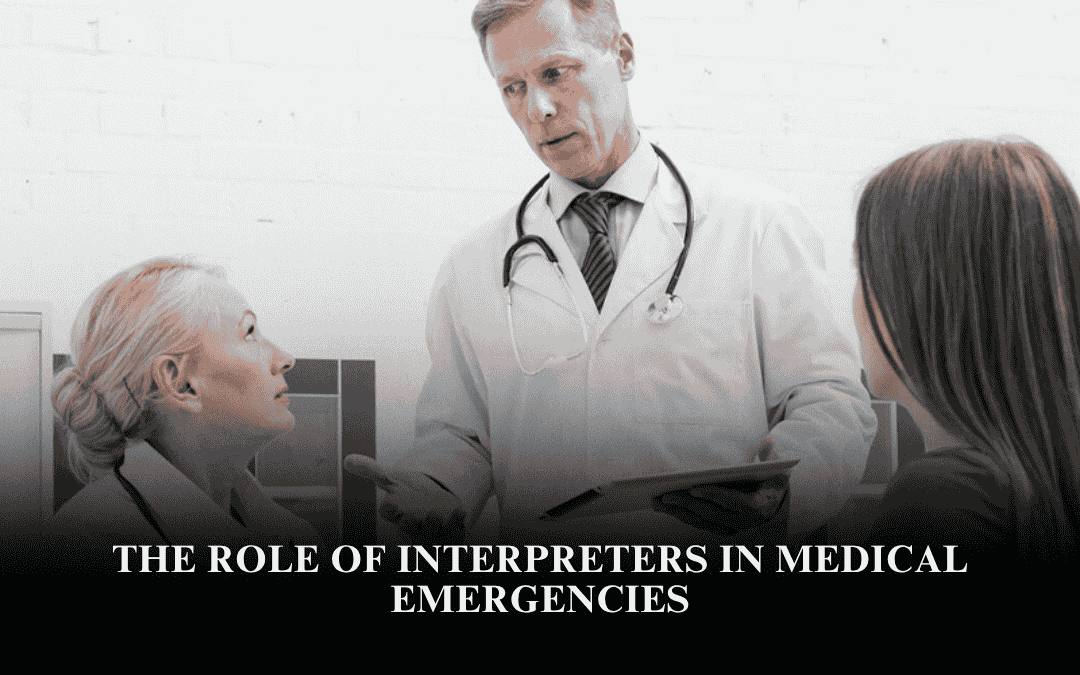
They facilitate two-way communication between doctors, nurses, and patients, ensuring that symptoms, allergies, medical histories, and consent are clearly understood.
Interpreters also help providers explain complex medical procedures and reassure patients in distress. In high-stress situations such as trauma care, stroke response, or cardiac arrest, their presence ensures that healthcare teams receive the right information to make life-saving decisions.
Supporting Cultural Sensitivity and Trust
Interpreters do more than translate words—they also interpret cultural nuances. In emergencies, fear and confusion can be amplified by cultural misunderstandings. A skilled interpreter helps both the medical team and the patient navigate these challenges by promoting empathy and cultural sensitivity.
For instance, some patients may hesitate to discuss pain or symptoms due to cultural norms. Interpreters can help providers recognize and respect these differences while encouraging open communication. This cultural mediation builds trust between patients and caregivers, which is essential for effective treatment.
Maintaining Patient Rights and Legal Compliance
In the U.S., federal laws such as Title VI of the Civil Rights Act and Section 1557 of the Affordable Care Act require hospitals to provide qualified interpreters to patients with limited English proficiency.
In emergencies, this requirement becomes even more critical. Using untrained staff or family members can lead to errors, breaches of confidentiality, and legal consequences for healthcare facilities.
By ensuring that patients fully understand their condition, treatment options, and consent forms, professional interpreters help protect patient rights and uphold the ethical standards of medical care.
Improving Outcomes and Reducing Risks
Hospitals that utilize certified medical interpreters report better outcomes for LEP patients. Accurate communication reduces the risk of misdiagnosis, unnecessary procedures, and readmissions.
It also improves patient satisfaction and confidence in the healthcare system. In emergency care settings, interpreters are not just language experts—they are vital members of the medical response team, contributing directly to patient safety and survival.
Frequently Asked Questions (FAQ)
1. What is the role of a medical interpreter in emergencies?
A medical interpreter ensures clear and accurate communication between healthcare professionals and patients who do not speak English fluently during urgent medical situations.
2. Why are professional interpreters necessary in emergencies?
They help prevent miscommunication that could lead to errors in diagnosis or treatment. Their training allows them to handle high-pressure situations accurately and calmly.
3. Can family members interpret during an emergency?
No, it’s not recommended. Family members may lack medical knowledge, objectivity, and interpreting skills, which can result in dangerous misunderstandings.
4. Are interpreters legally required in U.S. hospitals?
Yes. Federal law mandates that healthcare facilities receiving government funding provide qualified interpreters for patients with limited English proficiency.
5. How do interpreters improve emergency care outcomes?
They enhance patient safety, ensure informed consent, and help medical teams act quickly and correctly, ultimately saving lives.