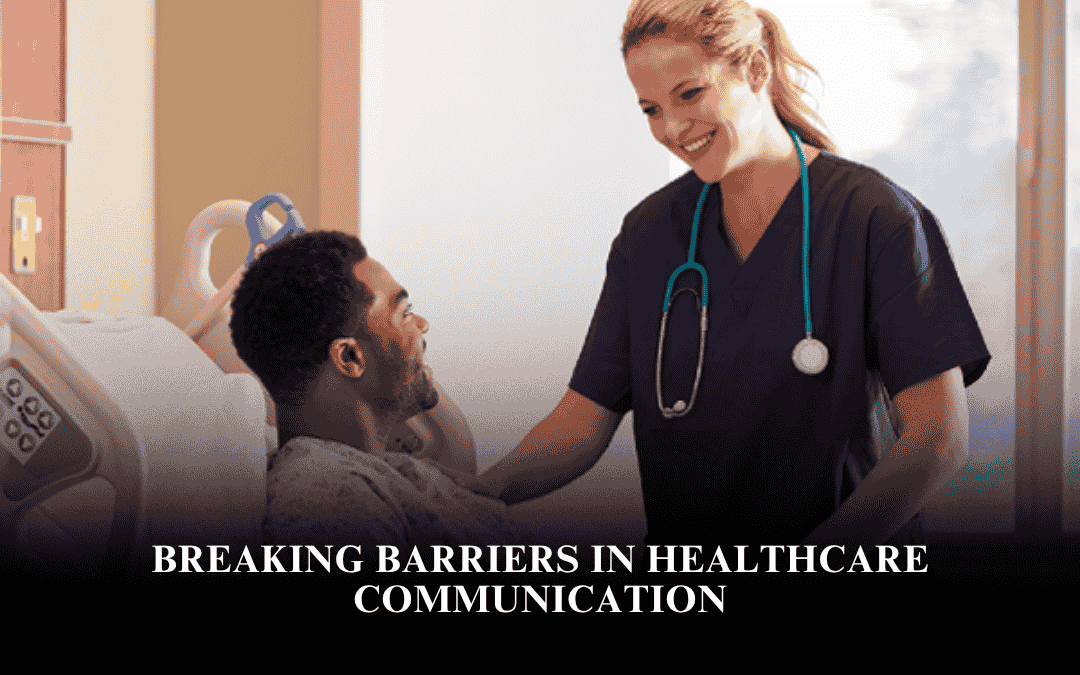
Effective communication is the foundation of quality healthcare. When patients and healthcare providers understand each other clearly, it leads to better diagnoses, safer treatments, and higher patient satisfaction.
However, in today’s multicultural world, language, culture, and technology can sometimes create communication barriers. Overcoming these obstacles is essential to ensure that every patient—regardless of background—receives fair, accurate, and compassionate care.
The Importance of Clear Communication in Healthcare
Communication in healthcare goes beyond exchanging information. It builds trust, strengthens relationships, and empowers patients to take charge of their health.
When doctors and nurses communicate effectively, patients are more likely to follow treatment plans and share important details about their symptoms. In contrast, poor communication can lead to confusion, errors, and emotional distress.
In a country as diverse as the United States, language and cultural differences are among the most common challenges. Many patients with limited English proficiency (LEP) struggle to describe their medical issues or understand complex instructions. This is where breaking communication barriers becomes a top healthcare priority.
Language Services: A Vital Tool for Inclusion
Hospitals and clinics across the U.S. are increasingly adopting language access programs. Professional interpreters, both in-person and through video or phone services, help bridge the gap between providers and patients who speak different languages.
Translated documents—such as discharge papers and medication instructions—ensure patients understand their treatment plans.
By providing these services, healthcare institutions not only improve safety and quality of care but also demonstrate inclusivity and respect for diverse communities.
Cultural Competence and Empathy
Communication barriers are not always linguistic—cultural beliefs and expectations can also affect healthcare interactions. Some patients may hesitate to ask questions, disagree with a doctor, or discuss certain conditions due to cultural norms. Culturally competent healthcare providers are trained to recognize and respect these differences.
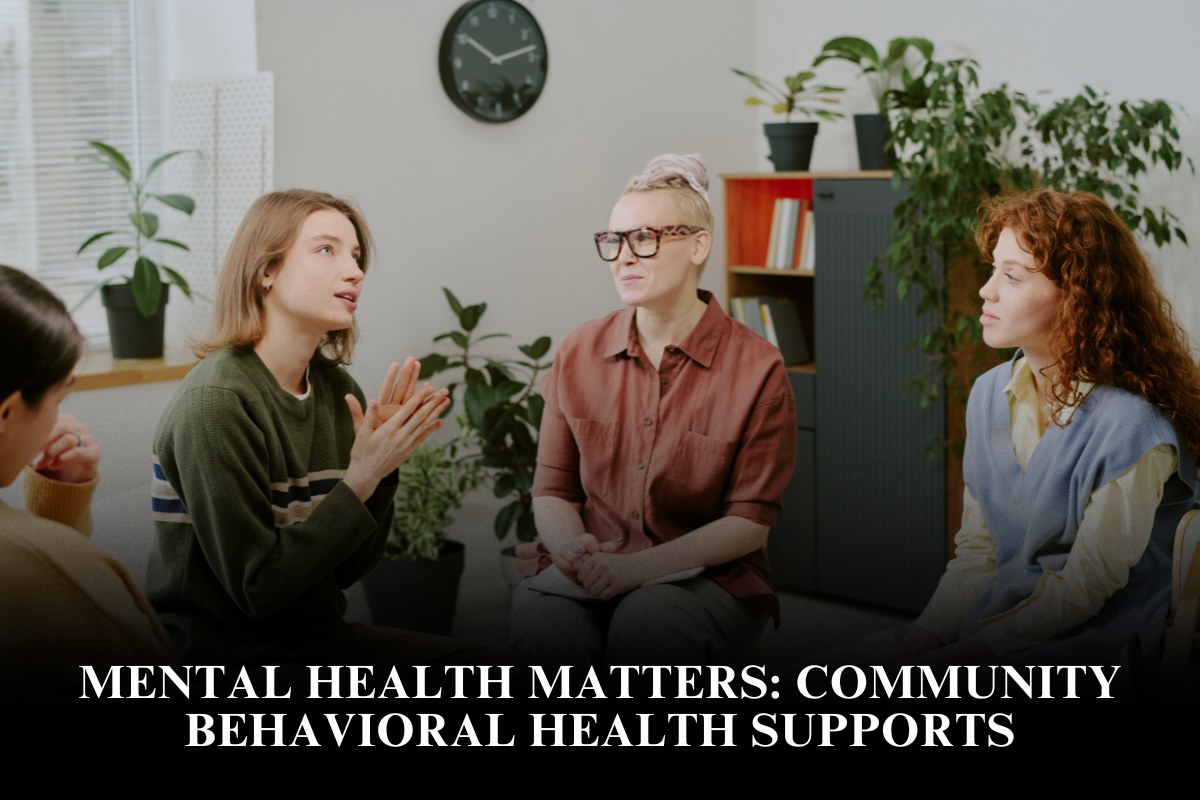
When doctors approach patients with empathy and cultural awareness, it encourages open dialogue and mutual understanding. This approach helps ensure that care is both medically effective and personally meaningful.
Technology and Digital Communication
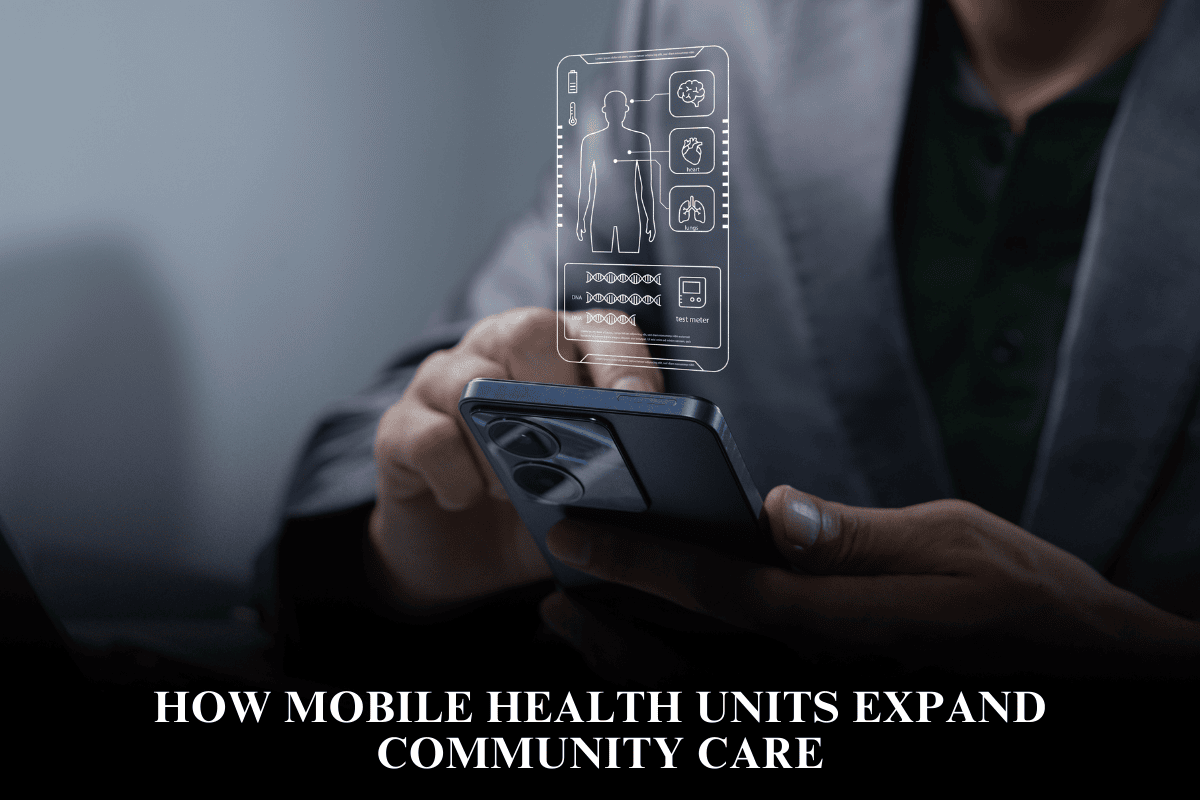
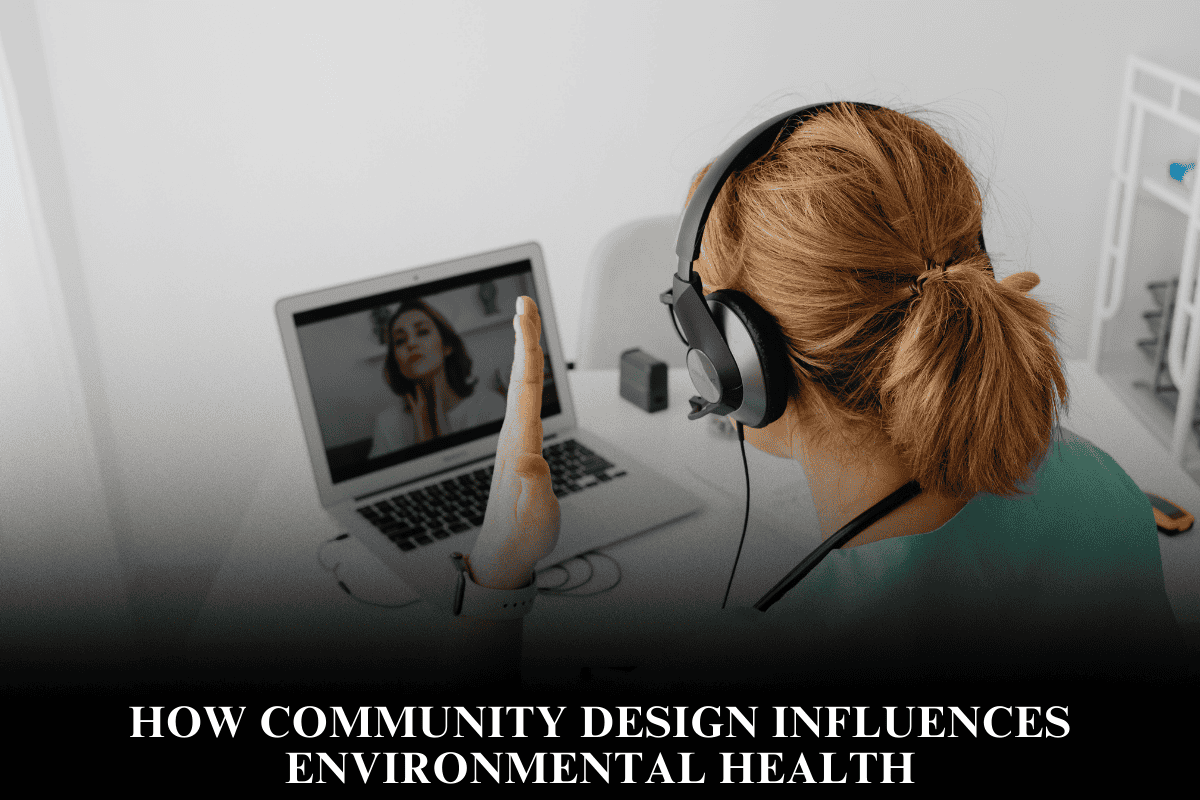
Technology is also reshaping healthcare communication. Telehealth platforms, patient portals, and AI-based translation tools are making it easier for patients to connect with healthcare providers.
However, digital literacy remains a challenge for some populations, especially older adults or those in underserved communities. Ensuring that all patients can access and understand digital tools is key to breaking modern communication barriers.
The Road Ahead
Improving communication in healthcare is an ongoing journey. Hospitals must continue to invest in interpreter services, staff training, and technology that promotes inclusion. When communication barriers fall, patient outcomes improve, trust grows, and healthcare becomes more equitable for everyone.
Frequently Asked Questions (FAQ)
1. What are communication barriers in healthcare?
Communication barriers include language differences, cultural misunderstandings, low health literacy, and limited access to technology.
2. Why is communication important in patient care?
It ensures accurate diagnoses, effective treatment, and higher patient satisfaction by fostering trust and understanding between patients and providers.
3. How can hospitals overcome language barriers?
By offering interpreter services, translating written materials, and training staff in cultural competence and clear communication.
4. What role does technology play in healthcare communication?
Technology enables telemedicine, online consultations, and real-time translation tools, making communication faster and more accessible.
5. How can healthcare providers improve communication?
Providers can use simple language, active listening, empathy, and professional interpreters to ensure every patient understands their care plan.