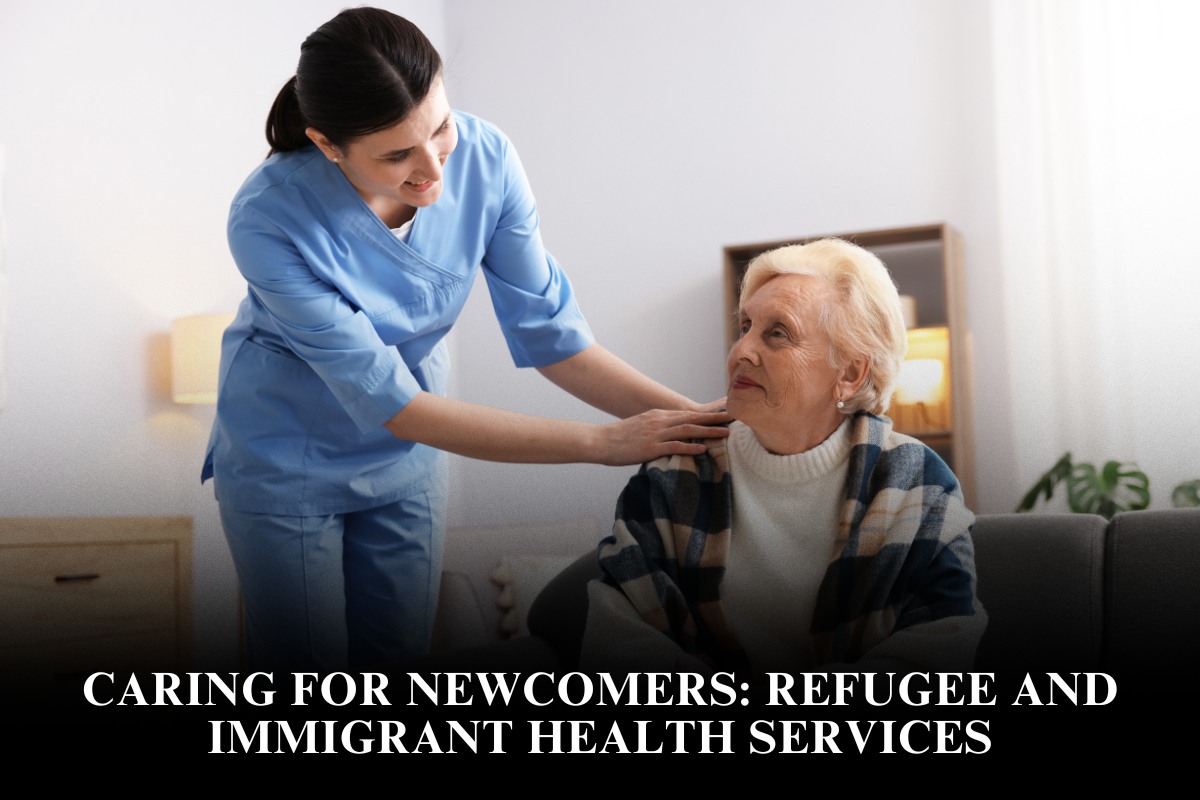
Caring for newcomers, including refugees and immigrants, through dedicated health services is critical to promoting their well-being and successful integration into new communities. These populations often face unique health challenges shaped by their migration journey and require tailored support to address physical, mental, and social health needs.
Unique Health Needs of Refugees and Immigrants
Refugees and immigrants may arrive with untreated chronic conditions, infectious diseases, or health issues stemming from trauma or poor living conditions. Their health needs are shaped by past experiences in their home country, the migration process, and challenges in the new environment.
Mental health concerns such as post-traumatic stress disorder, anxiety, and depression are prevalent due to displacement and adjustment stress. Language barriers, unfamiliar healthcare systems, cultural differences, and fear of discrimination often hinder access to timely care.
Essential Health Services for Newcomers
- Comprehensive Medical Screening: Early screening upon arrival identifies conditions requiring immediate treatment or long-term management, such as tuberculosis, immunization updates, and nutritional assessments.
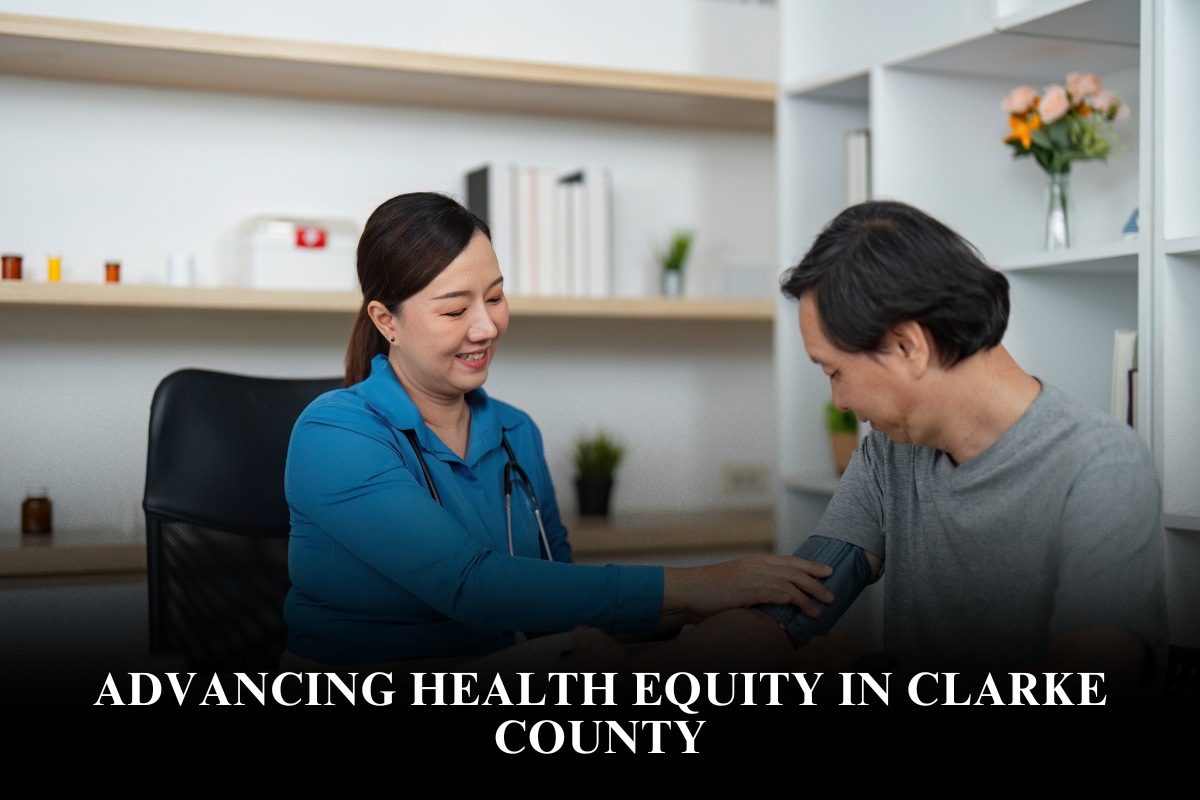
- Primary Care Access: Establishing a medical home through clinics knowledgeable about immigrant health ensures continuity of care, including maternal and child health services.
- Mental Health Support: Culturally sensitive counseling, trauma-informed care, and community-based mental health programs address psychological needs and reduce stigma.
- Dental and Vision Care: Oral and eye health services improve overall quality of life and support functional well-being.
- Health Education and Literacy: Programs that provide health system navigation, preventive care information, and chronic disease management empower newcomers to take charge of their health.
- Language and Interpretation Services: Professional interpreters and multilingual staff help overcome communication barriers in clinical settings.
Collaborative Community Efforts
Successful care for newcomers requires partnerships between public health departments, non-profits, federally qualified health centers, and community organizations.
These collaborations help connect refugees and immigrants to resources such as housing, nutrition assistance, legal aid, and employment support, tackling social determinants of health that profoundly affect outcomes. Training healthcare providers in cultural competence and refugee-specific health issues enhances quality care delivery.
Overcoming Barriers to Care
Barriers include limited knowledge of entitlements, complex insurance eligibility, high costs, and fear of immigration enforcement. Outreach through trusted community leaders and peer navigators helps build trust and encourages timely service use.
Telehealth and mobile clinics increase accessibility in underserved areas. Policies promoting universal healthcare access and anti-discrimination protections further support equitable care.
FAQ
1. What health screenings do refugees typically receive upon arrival?
They undergo assessments for communicable diseases, immunizations, nutritional status, and mental health evaluations.
2. How can language barriers be addressed in healthcare?
Through professional interpreters, multilingual staff, translated materials, and culturally appropriate communication strategies.
3. Why is mental health support important for newcomers?
Many experience trauma and stress related to displacement, requiring specialized psychological support.
4. What community resources assist immigrant health?
Non-profits, health clinics, social services, housing assistance, and legal aid help address social and health needs.
5. How can healthcare providers improve care for refugees and immigrants?
By gaining cultural competency training, using trauma-informed approaches, and fostering inclusive, respectful environments.
Ensuring comprehensive and compassionate health services for refugees and immigrants in Clarke County and beyond lays the foundation for healthy, empowered communities. Through coordinated care, education, and advocacy, these vulnerable populations can overcome challenges and thrive in new homes.