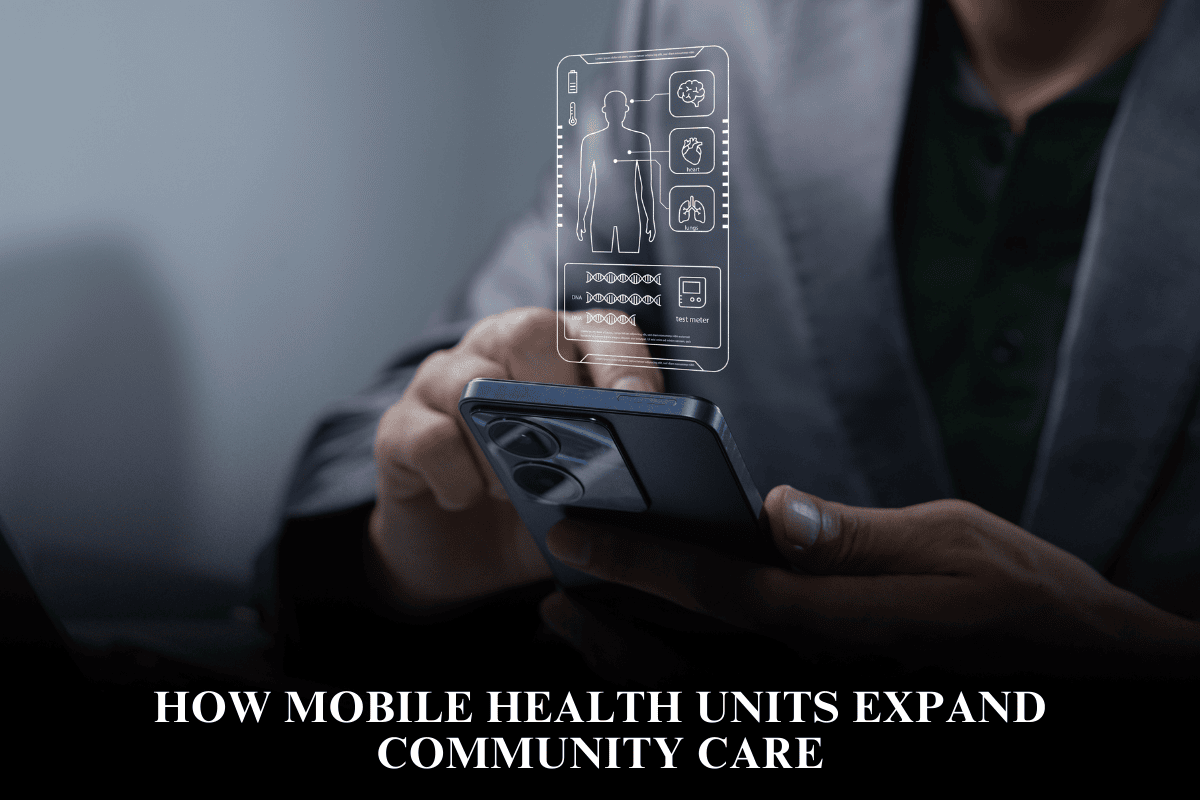
Innovations transforming patient access to healthcare in 2025 focus heavily on digital technologies, service model redesign, and data-driven strategies. Telehealth and virtual care have become central pillars, enabling patients to consult healthcare professionals from home, reducing barriers of geography and mobility.
Advancements in AI, wearable health technology, and digital patient portals empower patients with real-time health information and personalized care. Health systems are also adopting omnichannel communication, mobile apps, and automated patient support tools to improve convenience, reduce wait times, and enhance engagement.
These innovations collectively support equitable and efficient healthcare access by addressing logistical, social, and economic barriers.
Digital Health Technologies Enhancing Access
Digital platforms including telemedicine, mobile health applications, and patient portals allow patients to schedule appointments, view diagnostic results, and communicate with providers anytime and anywhere. Telehealth, in particular, expanded dramatically during the COVID-19 pandemic and continues to broaden access for rural populations and those with mobility challenges.
Wearable devices monitor health metrics continuously, enabling early detection and preventive care. AI supports diagnostic accuracy and personalized care plans, while chatbots and process automation streamline patient inquiries, lowering the administrative burden. These digital tools increase convenience, reduce no-shows, and enhance patient autonomy in managing health.
Emerging Care Delivery Models
Beyond technology, innovative healthcare delivery models improve patient access. Urgent care centers and retail clinics offer flexible, convenient care outside traditional provider office hours, enabling same-day or walk-in treatment. Mobile clinics extend service reach to underserved or remote communities, addressing transportation barriers.
Advanced scheduling models optimize provider availability and absorb patient demand by allowing last-minute or same-day appointments. Health systems increasingly use machine learning to predict patient flow and optimize resource allocation. Home-based care and hospital-at-home programs decompress inpatient demand and bring care to patients’ residences, enhancing comfort and access.
Addressing Health Equity and Social Determinants
Innovations focus not only on clinical access but also equitable access. Health systems incorporate social determinants of health data to target support for underserved populations. Visual mapping and data analytics help identify geographic areas with low healthcare enrollment or technology use.
Community resource integration, such as telehealth hubs in libraries or community centers, provides infrastructure and digital literacy support to reduce the digital divide. Personalized care approaches, including transportation coordination and culturally sensitive outreach, further bridge gaps in access linked to socio-economic factors.
FAQs
What role does telehealth play in improving patient access?
Telehealth enables patients to receive timely medical consultations from home or remote locations, overcoming geographic and mobility barriers. It also reduces exposure to infectious diseases and expands specialist access, especially in underserved areas.
How do digital patient portals enhance healthcare access?
Patient portals allow individuals to manage appointments, view test results, communicate with providers, and update personal information online 24/7, enhancing convenience and engagement while reducing administrative workload.
What are some innovative healthcare delivery models improving access?
Urgent care centers, retail clinics, mobile clinics, and hospital-at-home programs provide flexible, patient-centered care options outside traditional office visits, offering same-day appointments and reaching remote populations.
How are healthcare systems addressing equity in patient access?
Systems use data analytics to identify underserved areas, incorporate social determinants of health into care strategies, and deploy community resources and digital literacy programs, aiming to reduce disparities in access and outcomes.