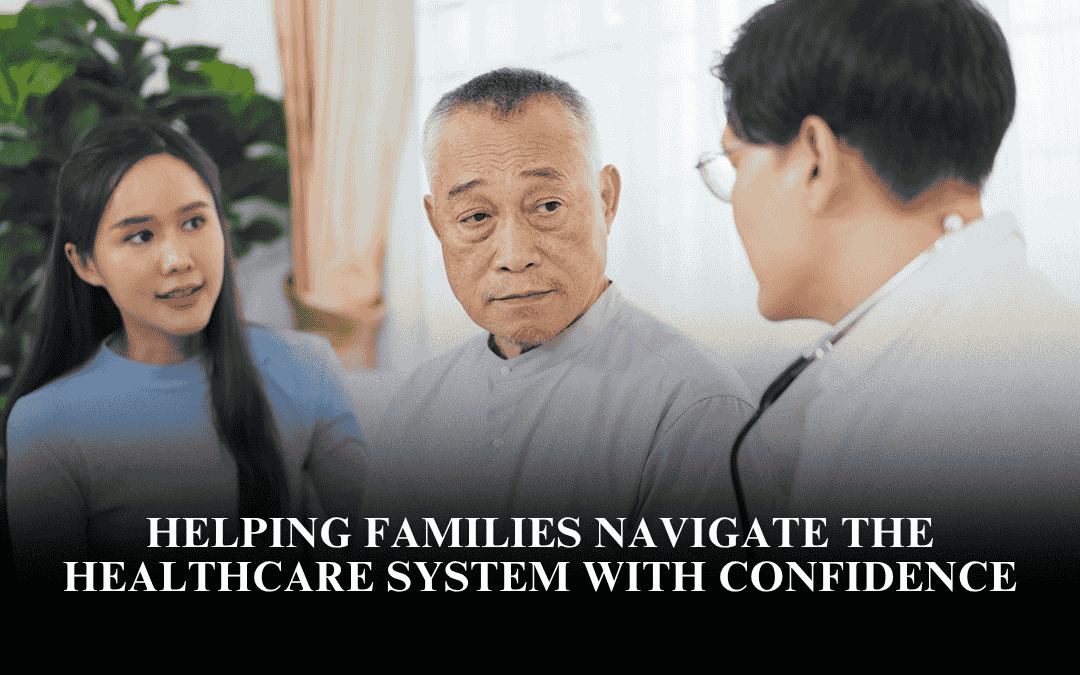
Helping families navigate the healthcare system with confidence is vital in the United States, where the complexity of insurance plans, provider networks, and treatment options can be overwhelming.
Families equipped with support and knowledge can make better healthcare decisions, coordinate care efficiently, and reduce stress associated with medical challenges.
Understanding the Healthcare System
The U.S. healthcare environment involves various insurance types, healthcare providers, specialists, and facilities. Families often start by finding a primary care physician who is in-network with their insurance, serving as the main point of contact for routine care and specialist referrals.
Insurance company websites and recommendations from friends can help locate suitable doctors. Families with complex medical needs may benefit from hospital-affiliated practices where integrated records make managing care easier.
Tools and Support for Families
Modern healthcare navigation tools come in digital and personal forms. Apps and platforms help families organize appointments, track medications, compare providers, and receive preventive care reminders.
More personalized support includes patient navigator programs—trained advocates who guide families through obtaining services, understanding insurance benefits, and coordinating care.
These navigators reduce disparities by providing individualized knowledge, especially for families with chronic conditions or special healthcare needs.
The Role of Family Navigators
Family navigators assist in connecting families with appropriate services, explaining complicated medical and insurance jargon, and ensuring that necessary paperwork and appointments are completed on time.
They coordinate between multiple healthcare providers to reduce miscommunications and duplicate efforts. This guidance is particularly helpful for families managing behavioral health, developmental disabilities, or chronic illnesses, improving health outcomes through more timely and efficient care.
Organizing Health Information
Maintaining organized health records is crucial for managing family healthcare. Health record hubs or shared digital tools let families consolidate medical histories, test results, and treatment plans.
Clear and accessible information enables better decision-making during emergencies, routine visits, or specialist care.
Families caring for children, seniors, or those with chronic diseases benefit significantly from such organization helps prevent missed appointments and conflicting treatments.
FAQs
How can families find the right primary care physician?
Families can start by using their insurance provider’s network directory online and seek recommendations from friends or community resources. Choosing a primary care doctor close to home or work and affiliated with a hospital system may streamline care coordination.
What is a patient navigator, and how do they help?
A patient or family navigator is a trained advocate who supports families by simplifying healthcare processes, helping schedule appointments, explaining insurance details, and providing emotional support during care journeys.
Are digital tools effective for healthcare navigation?
Yes. Digital tools help track appointments, medications, and health data efficiently, offering reminders and centralized records accessible to multiple providers, which improves family engagement and care quality.
How do family navigators improve health outcomes?
They reduce fragmentation, improve communication across healthcare providers, ensure timely follow-up, and help families access needed services more quickly, which lowers stress and enhances overall care.